finance
Brussels Startups Secure €1.2 Billion, Launch Major Innovation Hubs
Key investment figures and infrastructure developments underscore Brussels’ growing role in Europe’s startup economy and AI innovation.
How we reported this
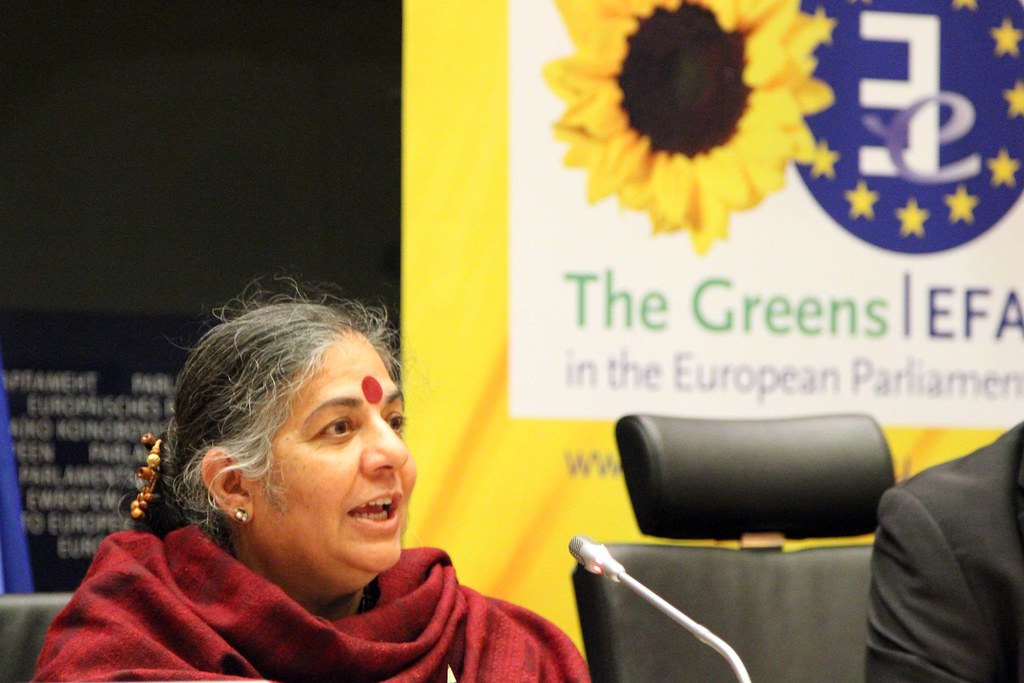
Brussels has solidified its position as a leading European startup hub, with Brussels-based organizations securing €1.2 billion in funding between 2021 and 2024. The city ranks fourth in Europe for startup support during this period, reflecting steady investment flows that fuel innovation and growth, according to a report by Politico Europe.[4]
This financial momentum was highlighted in January 2026 at the third European Startup and Scaleup Forum, hosted in Brussels. The Forum was a key event reviewing the EU Startup and Scaleup Strategy adopted in May 2025, showcasing the capital’s role in shaping Europe’s innovation landscape. Among the developments announced was a proposal to triple the European Innovation Council's budget and create the multi-billion-euro Scaleup Europe Fund aimed at deep tech companies.[1]
Why Now: Brussels’ Strategic Role in European Innovation
The surge in investment and policy attention arrives as Brussels emerges as a pivotal hub for artificial intelligence (AI) innovation, supported by strong local initiatives, European Union institutions, and a robust academic ecosystem. The region’s startup community displays high openness to collaboration and open innovation, with Belgian companies showing 90% enthusiasm in accelerating AI-driven projects through partnerships.[3]
At the same time, Brussels faces challenges that temper growth prospects, including a frozen Smart City strategy and weakened regional support measures for tech startups resulting from administrative restructuring. Despite this, Brussels remains the number one startup ecosystem in Belgium and ranks 64th globally, hosting over 300 startups, including high-profile firms like Cowboy and Itsme.[1]
Local Initiatives and Investment Boosts
Concrete developments in the Brussels ecosystem illustrate the capital’s thriving innovation environment. The local startup Trosort recently secured Horizon Europe-funded IN-TRANSIT financing for its SortMate textile sorting automation project, a clear sign of the city’s capacity to attract EU innovation grants.[2]
Looking ahead, a new 1,000 square meter “startup garage” named WAT is set to open in Brussels in September 2026. This space will host 100 early-stage founders operating in sectors like AI, health, and mobility, signaling an expanded commitment to nurturing entrepreneurial talent within the city.[5]
These developments complement funding successes such as data analytics firm Kpler’s private equity raise of $185 million (reported separately but noted locally), underscoring growing private investment flows alongside EU grant programs.[1]
Investment Evidence and Outlook
The quantified €1.2 billion funding awarded over three years to Brussels-based organizations places the city in the top tier of European startup ecosystems by financial support.[4] This robust capital infusion covers a broad spectrum of sectors, driving innovation and fostering scaleup potential.
Moreover, the upcoming expansion of dedicated incubation spaces like WAT reflects demand for tailored support infrastructure that can accommodate the intensive needs of AI and emerging tech enterprises.[5]
While policy discussions continue about scaling European funding instruments-for example, proposals to triple the European Innovation Council budget-the practical effect for local entrepreneurs includes increased access to investment and mentorship opportunities presented at forums hosted in Brussels.[1]
For startups and investors alike, staying informed on funding windows such as Horizon Europe and local ecosystem events remains essential. Entrepreneurs with early-stage ventures in AI, health, or mobility are particularly advised to monitor the progress of initiatives like WAT’s launch in September and participate in local accelerator programs.
In sum, Brussels’ meld of financial backing, policy attention, and innovation infrastructure explains why it ranks among Europe’s top startup ecosystems. The next years should see the city further attract capital and talent, forging stronger connections across the continent’s burgeoning deep tech and AI sectors.
This article is general information only and is not personal financial or investment advice. Consider your own circumstances and seek licensed professional advice before making financial decisions.
References Sourced but Not Limited to:
- research-and-innovation.ec.europa.eu · Eu startup and scaleup strategy progress so far and challenges ahead...
- politico.eu · European union advanced technologies innovation plan it likely wont...
- governance.brussels · Digital
- globenewswire.com · Tech Founders and Startups Across Europe Gathered in Brussels to Engage...
- fari.brussels · Brussels emerging as europes ai innovation hub
- europe.startupguide.com · Brussels