culture
Brussels Reveals 5 Essential Historical Sites Every Visitor Must See
Explore Brussels through its rich past with these key sites and stories every visitor should not miss.
How we reported this
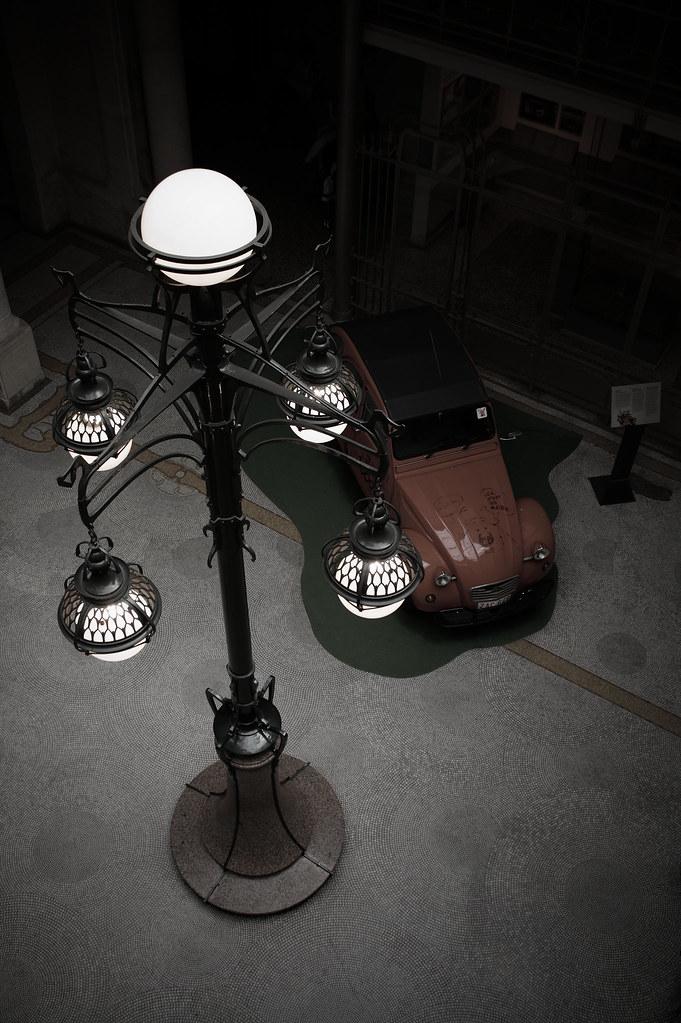
Brussels offers a window into centuries of European history, visible in its architecture, museums, and city layout. Visitors eager to understand this complex heritage must plan for stops at the Grand-Place and the Royal Museums of Art and History, two sites that capture the city's evolution from medieval trading hub to capital of Europe.
Why Now is the Time to Discover Brussels’ History
With the 2026 centenary of the founding of the European Coal and Steel Community approaching, which originated in Brussels in 1951, there is renewed interest in the city’s role in post-war reconciliation and European integration. Numerous cultural institutions are marking this milestone with exhibitions and events that connect local history with broader European themes.
Furthermore, the reopening of the renovated BELvue Museum in Place des Palais on 14th July offers visitors an enhanced narrative on Belgium’s history, focusing on its monarchy, social progress, and colonial past. This makes Brussels a vibrant city not only for politics but also for culture and reflection.
Must-See Historical Sites in Brussels
Start your tour at the Grand-Place, a UNESCO World Heritage site renowned for its stunning 17th-century guildhalls and the Town Hall. This central square has been a focal point in Brussels since the Middle Ages, surviving bombings and political upheavals. Visitors can learn about the city’s mercantile origins and the dramatic events of the Eighty Years' War by joining guided tours offered daily by the Brussels Info Place on Rue des Sables.
Next, a visit to the Royal Museums of Art and History on Parc du Cinquantenaire offers unparalleled access to collections spanning archaeology, decorative arts, and world cultures. Its recently expanded galleries bring to life Brussels' position as a crossroads of empire and trade, with artefacts from the city’s colonial era prominently featured.
For those eager to explore lesser-known yet significant historical layers, the Marolles district provides a glimpse into working-class life with its street art and antique markets on Place du Jeu de Balle. Here, the Museum of the City of Brussels at the Maison du Roi on the Grand-Place complements the experience with displays on daily urban life from the Middle Ages through to modern times.
Data and Practical Details for Visitors
Visitor numbers to the Grand-Place average around two million annually, making it the most frequented historical site in Brussels. Admission to the Royal Museums of Art and History stands at €12 for adults, with discounted rates for students and seniors; entry to the BELvue Museum is €10. Combined tickets and Brussels Card options can reduce costs for those visiting multiple sites.
Most museums and tours offer multilingual guides and interactive exhibits, accommodating the city’s diverse international visitors. Public transport connections are excellent, with metro stops like Gare Centrale and Parc providing easy access. Visitors are advised that popular guided tours around the Grand-Place run from 10 a.m. to 4 p.m., with prior booking recommended especially during summer months.
In summary, Brussels increasingly leverages its deep historical roots to enrich the cultural experience of visitors. The melding of political, social, and architectural histories means travelers can immerse themselves in stories that traverse time-from medieval market squares to European powerbases.
For practical advice, plan your historical exploration by starting early at the Grand-Place to beat crowds and combine your visit with a nearby museum like the BELvue to benefit from commemorative exhibitions. Local tour companies, such as Discover Belgium, also offer curated history walks focusing on Brussels’ role in Europe’s post-war recovery and cultural shifts.
Whether on foot through the Marolles or indoors at major museums, mid-2026 is a moment when Brussels invites every visitor to engage with its layered story, ensuring both locals and tourists appreciate the city beyond its political headline.