lifestyle
What Makes Brussels’ Social Fabric Stand Apart Globally
A distinctive blend of multicultural ties, community initiatives, and urban spaces foster unique relationships in Belgium's capital.
How we reported this
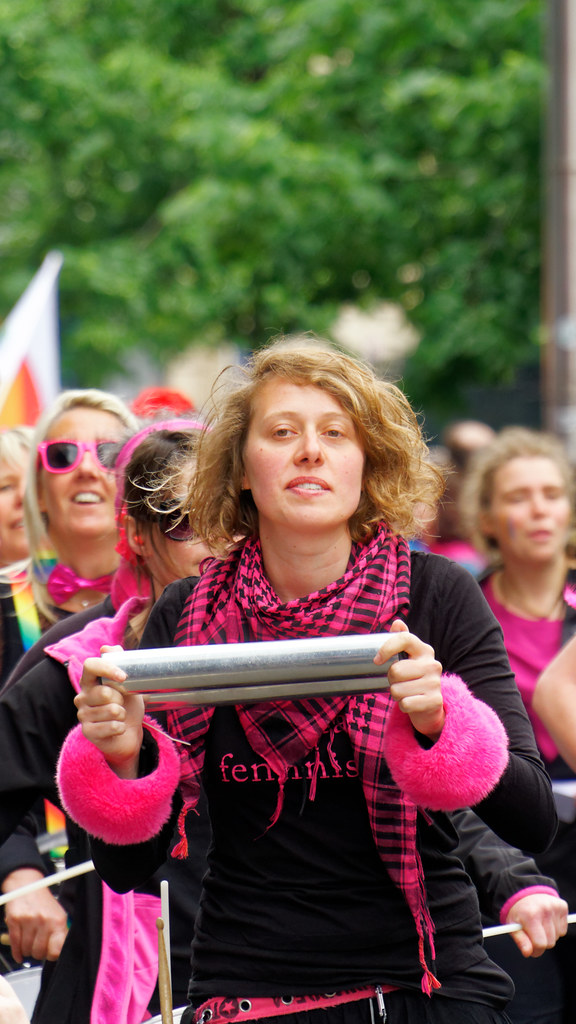
Brussels stands out for how its diverse population cultivates close-knit relationships amidst a sprawling European metropolis. Unlike many global capitals, the city thrives on a network of smaller communities embedded within its neighborhoods, creating a singular sense of belonging.
This matters now because, as urban centers worldwide confront increasing social fragmentation, Brussels offers a counterexample. Recent migration waves and EU policy shifts have further diversified the city since 2022, intensifying the urgency for cohesive community structures. With conflicts affecting parts of the continent, Brussels has emerged as a refuge and a place where varied cultural identities not only coexist but also interweave.
Neighborhoods as Living Communities
The Marolles district exemplifies Brussels’ social uniqueness. Known for its flea markets on Place du Jeu de Balle and artisan shops, this neighborhood has maintained a strong local identity despite gentrification pressures. Here, long-established residents-often bilingual in French and Flemish-live alongside newcomers from North Africa and Eastern Europe, supported by grassroots organisations like the Association des Marolliens, which promotes cultural dialogue and mutual aid.
Similarly, the Matongé quarter, centered on Rue Africaine in Ixelles, functions as a vibrant hub for the Congolese diaspora. This area not only provides commerce and cuisine but also fosters social networks through community centres such as Centre Ngoma, which offers language classes and youth programmes, bridging gaps between generations and cultural backgrounds.
Numbers Behind the Network
Brussels’ model is reflected in recent statistics from the Brussels Capital-Region’s Institute for Social Policy, which shows that 63% of residents participate regularly in local community activities-far surpassing the EU average of 47%. Additionally, data from 2025 indicates that 58% of households engage with at least two neighbourhood organisations or cultural associations, highlighting the embeddedness of social structures.
Cost of participation tends to be low, with local events often free or charged around €5-€10, supported by municipal subsidies aimed at inclusivity. This affordability ensures broader access and engagement beyond income levels, unlike many other international capitals where social participation frequently involves higher economic barriers.
Brussels’ commitment to nurturing community is also evident in public investments such as the Parc de Forest redevelopment project, finished in late 2024. This green space includes dedicated zones for cultural festivals and neighbourhood markets, reinforcing the city's approach to civic engagement through physical and social infrastructure.
Looking ahead, Brussels is set to expand its community-oriented programmes under the “Brussels Together 2030” strategy. For residents and visitors, practical advice is to explore these neighbourhoods beyond central tourist routes, attend local meetings at Maison des Cultures et de la Cohésion Sociale on Chaussée de Wavre, or join neighbourhood associations in areas like Saint-Gilles or Schaerbeek. These steps unlock the rich layers of relationship-building that distinguish Brussels globally.