lifestyle
Brussels Residents Master Sustainable Living Through New Eco-Friendly Networks
How to navigate the capital's growing network of eco-friendly initiatives, markets, and transit options.
How we reported this
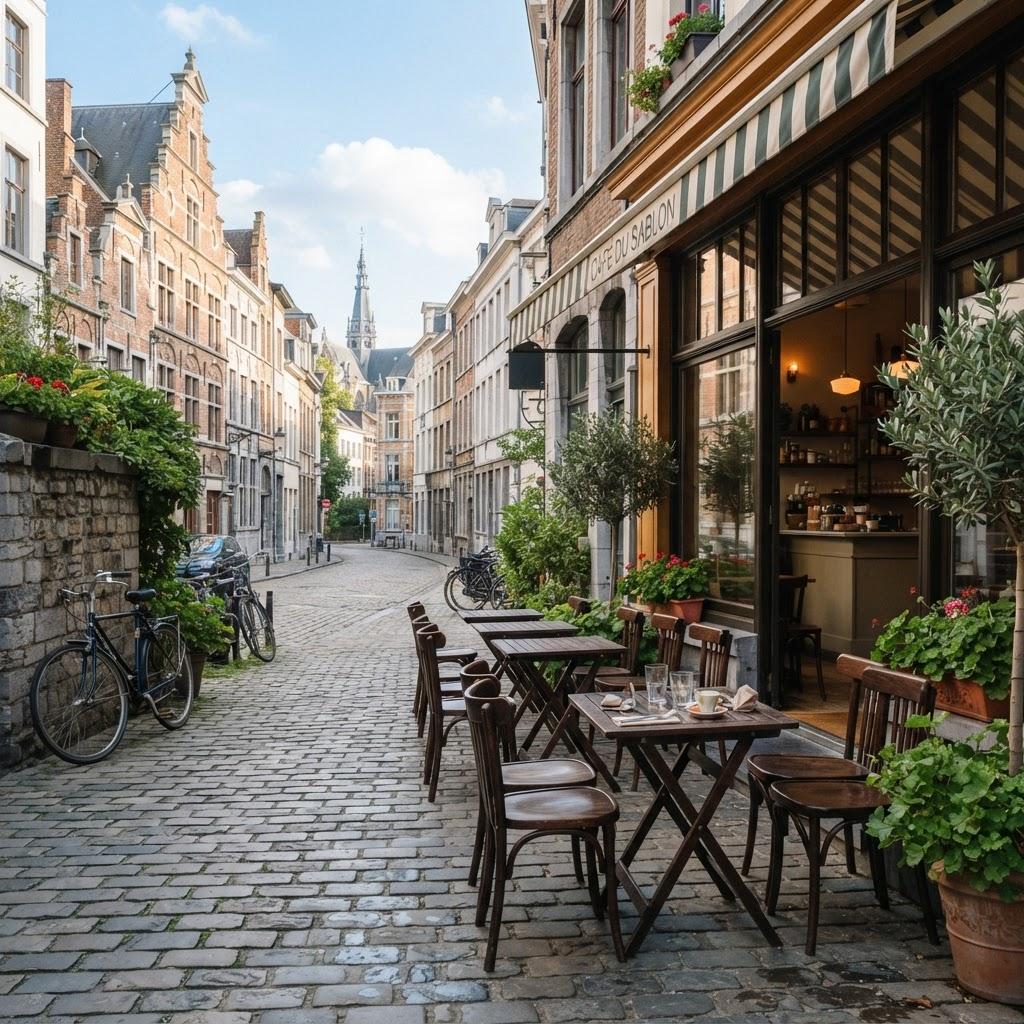
Brussels continues to advance its commitment to environmental sustainability, with the city aiming to reduce greenhouse gas emissions by 40% by 2030 and reach full climate neutrality by 2050. This ambitious roadmap, supported by incentives for low-CO2 buildings and the integration of renewable energy, signals a significant shift in how the capital manages its urban footprint. For residents, the transition toward a more sustainable lifestyle is increasingly accessible through established local networks and infrastructure.
Local Markets and Refill Shopping
One of the most effective ways to reduce household impact is by sourcing seasonal food directly from the community. Residents frequently shop at established local markets such as Flagey and Marche du Midi, which provide consistent access to regional produce. For those looking to eliminate packaging waste, the city hosts several dedicated refill shops. Establishments like The Barn and Day by Day offer a variety of staples without the need for single-use plastics, allowing for a more circular approach to daily grocery shopping.
Cycling Infrastructure and Sustainable Mobility
Brussels has invested heavily in cycling infrastructure, fostering a culture that prioritizes active travel over private vehicle use. The city features an extensive network of over 360 stations for Villo! and Billy Bike, making it convenient to transition between different districts. Beyond commuting, the city has developed the Promenade Verte, a 63km route designed specifically for hikers and cyclists to traverse the city's green corridors.
Community Resources and Waste Reduction
The city supports resident-led sustainability efforts through practical programs focused on waste and gardening. In communes like Berchem-Sainte-Agathe, residents have access to free composting sites to manage organic waste effectively. Furthermore, organizations such as asbl Worms provide free vermicomposting and organic gardening courses, helping citizens integrate sustainable practices into their homes. These initiatives are complemented by the growing trend of coliving, which can reduce per-person emissions by up to 40% through shared resources, such as collective bulk buying, clothing swaps, and the use of integrated photovoltaic solar systems.
Practical Steps for Residents
Living sustainably in Brussels is a process of engaging with existing local systems rather than starting from scratch. Whether by utilizing the public bike-share stations for daily errands, participating in community composting, or opting for bulk purchasing at local refill outlets, residents can contribute to the city’s climate neutrality goals. Exploring the Promenade Verte remains a primary way to connect with the city's natural spaces while maintaining an eco-friendly transport habit.