news
Brussels Transport Leaders Make Critical Decisions Shaping City's Future
As the city grapples with ongoing urban mobility challenges, Brussels confronts critical choices that will shape its transport and traffic future.
How we reported this
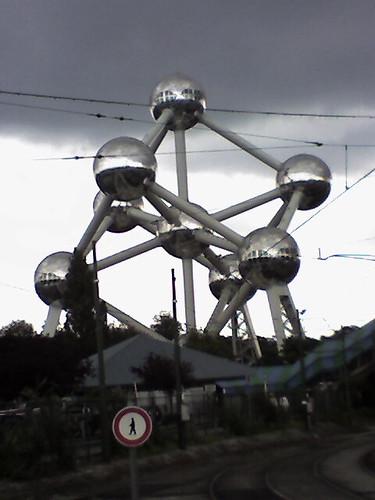
Brussels stands at a crossroads in its transport and traffic policies as city officials and planners weigh options to alleviate congestion, improve public transit, and reduce environmental impact. With summer traffic patterns evolving and increasing urban demands, the next steps in Brussels’ transport strategy could significantly affect residents’ daily lives.
Why Transport Decision-Making Matters Now
The urgency to address Brussels’ transport challenges grows amid growing concerns about congestion and air quality, issues well recognized by local authorities. Overcrowded streets and increasingly unpredictable travel times have spurred calls for major reforms to traffic management and mobility options within the city’s borders. With many Brussels residents dependent on a patchwork of public and private transport modes for work and leisure, the decisions made in the coming months will reverberate throughout daily commerce and urban functioning.
Summer months traditionally see a rise in tourist and commuter flows, placing strain on key corridors and transit hubs. Given this seasonal pressure, Brussels’ urban planners have an opportunity to test and implement measures that could ease bottlenecks in the medium and long term.
Local Context: Brussels’ Transport Landscape
Brussels’ transport infrastructure must balance a historic cityscape, extensive EU presence, and a diverse population. Major avenues like Avenue Louise and Boulevard Anspach frequently suffer chronic traffic jams, while older neighbourhoods in Ixelles and Saint-Gilles pose constraints on expansion and road alterations.
Public transportation-managed by STIB/MIVB-forms the backbone of city mobility, but faces challenges such as overcrowding and delays during peak periods. Multimodal approaches combining buses, trams, and metro lines are under constant evaluation to increase capacity and efficiency without further taxing the city’s streets.
In recent years, there has been a concerted push toward promoting cycling and pedestrian-friendly initiatives. Efforts to expand bike lanes and pedestrian zones are seen as vital complements to public transit, especially considering environmental sustainability goals.
Evidence and Indicators Informing Upcoming Choices
While precise recent traffic statistics from official Brussels sources were not available, observations indicate persistent congestion in multiple central arteries during peak hours. Public transport ridership levels fluctuate seasonally, highlighting ongoing demand despite operational challenges.
City officials have noted that failure to innovate could exacerbate delays and air pollution, negatively impacting the city’s livability and attractiveness. The push for low-emission zones and the gradual phase-out of private vehicles from dense urban sectors are under discussion in city council meetings, signalling a willingness to explore bold measures.
What Happens Next? Practical Considerations Ahead
Brussels is expected to deliberate on integrated transport plans aiming for a balanced modal share between private cars, public transit, cycling, and walking. Residents should anticipate proposals for enhanced public transport services, possible expansion of restricted traffic zones, and infrastructure upgrades focused on sustainable mobility.
Commuters and drivers alike will need to stay tuned to announcements from Brussels Mobility and STIB/MIVB regarding route modifications or new initiatives. Engagement with community groups and business stakeholders will likely inform the refinement of proposals to ensure practical solutions that serve diverse user needs.
Ultimately, the city’s ability to make informed, decisive transport decisions in the coming months will influence Brussels’ urban dynamics for years to come, affecting quality of life, environmental goals, and economic activity.