news
Brussels Education Leaders Address Urgent School Challenges, Share Solutions
City officials and educators share perspectives on urgent issues shaping Brussels’ schools and learning environment.
How we reported this
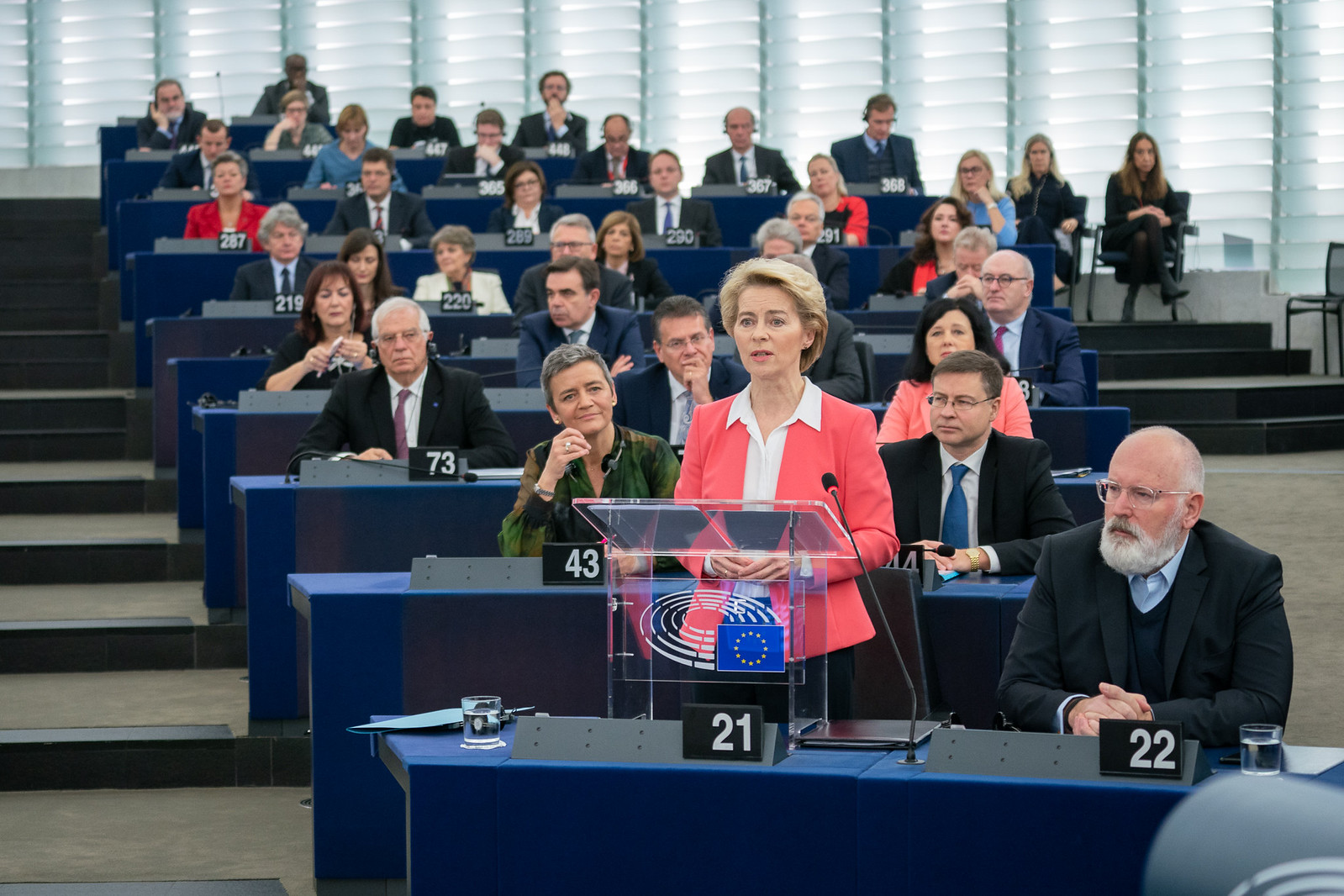
City officials and education experts in Brussels have recently outlined their views on pressing issues affecting local schools and students, placing emphasis on adaptability and inclusivity within the school system. The representatives highlighted the importance of addressing varied student needs while maintaining quality learning, underlining education as a cornerstone of community resilience.
Why Education Discussions Matter in Brussels Now
Education remains a top priority amid ongoing social and economic changes confronting Brussels. With a diverse population and ongoing urban development, the city’s schools face the challenge of meeting the expectations of families and adapting curricula to prepare students for an evolving job market. These discussions come at a time when educators are looking to integrate new approaches that can boost engagement and achievement across all neighborhoods.
The city’s education sector is contending with numerous factors including demographic shifts, linguistic diversity, and demands for digital literacy. This context makes input from officials and experts particularly relevant, as they strive for policies that reflect both local realities and wider educational innovations.
Perspectives from Brussels’ Educational Stakeholders
Voices from government bodies, university faculties, and school leadership have converged on a shared vision emphasizing equity and innovation. Representatives stress the importance of supporting teachers through professional development and providing resources tailored to the Brussels context, which includes multilingual classrooms and students with varied cultural backgrounds.
Community organizations working in districts like Molenbeek and Schaerbeek also highlight the need for enhanced after-school programs and parental engagement initiatives to close gaps in access and opportunity. Experts argue that holistic approaches encompassing mental health support and language acquisition are critical to fostering successful student outcomes.
While no recent official statistics on Brussels schools were made available in the briefing, qualitative evidence from these stakeholders points to steady efforts aimed at improving both infrastructure and pedagogical strategies. The ongoing dialogue among officials and experts signals Brussels’ commitment to refining its education system in tune with contemporary demands.
Looking ahead, Brussels education authorities and community partners encourage ongoing collaboration and dialogue with families and educators to identify and implement solutions tailored to local needs. Practical advice for parents includes staying informed of school offerings and engaging with teachers to support children’s learning journeys amid a complex social landscape.