news
Brussels Officials Choose New Traffic Management Strategy for Congestion
As congestion and urban mobility remain pressing concerns, Brussels officials prepare to decide on strategies shaping the city’s transport future.
How we reported this
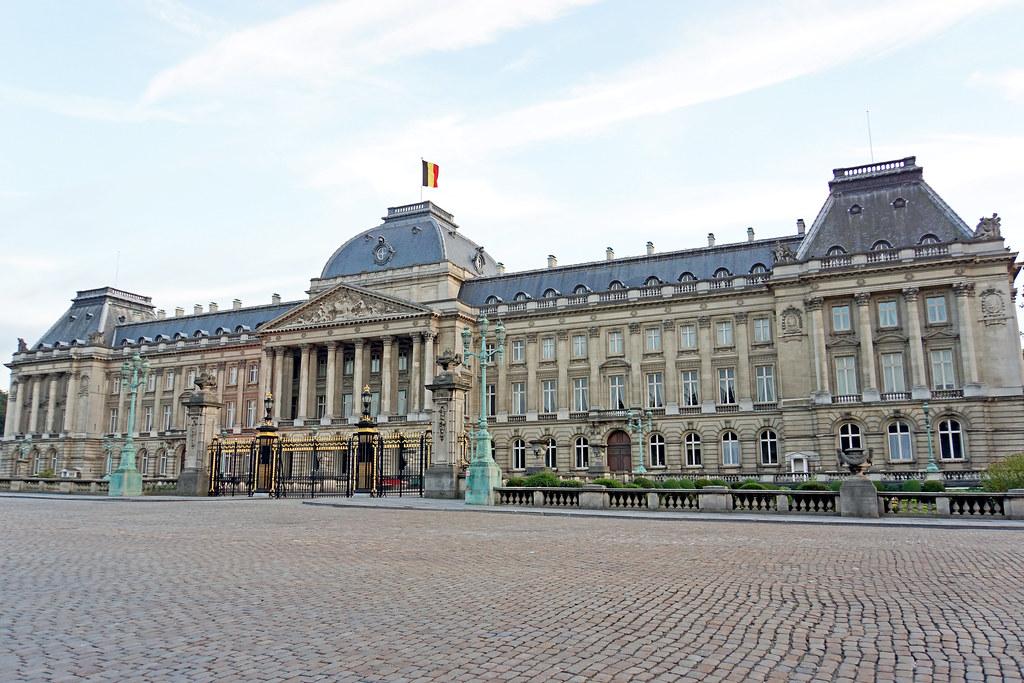
Brussels is at a crossroads regarding transport and traffic management, with officials gearing up to make key decisions that will affect how residents and visitors navigate the city in the coming years. While no final plans have been announced, the city government is actively considering a range of proposals intended to ease congestion, improve public transport, and reduce environmental impacts.
The urgency of addressing Brussels’ transport challenges has increased amid steady urban growth and fluctuating commuter patterns. Traffic bottlenecks and delays in core areas like the European Quarter and the city center have persisted, raising concerns about air quality, economic efficiency, and quality of life.
Context: Why These Decisions Matter Now
Transport management has become one of Brussels’ most debated civic issues. The city's growing population exerts pressure on existing infrastructure, while environmental commitments require a shift away from car dependency. Although recent data on specific traffic volumes and pollution levels are not public, anecdotal evidence from commuters and urban planners alike points to recurring congestion hotspots and crowded public transport routes.
The city council faces calls to implement measures such as expanded low-emission zones, increased investment in cycling infrastructure, and upgrades to public transit options. Balancing these demands against budgetary constraints and residents' mixed views will be a delicate endeavor.
Local Specifics and Practical Realities
Brussels’ transport system involves multiple stakeholders, including the regional government, the Brussels Intercommunal Transport Company (STIB/MIVB), and local municipalities. Any upcoming policy changes will need to coordinate across these bodies to be effective.
Neighborhoods such as Ixelles and Saint-Gilles have reported significant challenges related to vehicle traffic and parking availability, highlighting the need for nuanced, localized approaches alongside citywide strategies. Pilot programs in certain districts experimenting with car-free zones and enhanced bike lanes have shown both promise and resistance, underscoring the importance of public engagement.
Meanwhile, long-term projects like the extension of tram lines and modernization of metro services continue to be discussed, though exact timelines remain uncertain. The lack of new statistics or formal announcements means that much of the planning remains in deliberation stages.
Next Steps and What Residents Can Expect
In the absence of definitive policies, Brussels inhabitants should prepare for a period of consultation and incremental changes. Public forums and outreach efforts are expected to increase, providing opportunities for citizens to voice their preferences and concerns.
Commuters may notice adjustments in traffic regulations or pilot schemes aimed at reducing harmful emissions and encouraging alternative modes of transport. Those relying on cars should anticipate ongoing disruptions and evolving parking policies, while public transit users might see gradual enhancements.
Ultimately, Brussels’ transport future hinges on key decisions that remain under careful consideration by policymakers. The emphasis will likely be on integrating sustainability goals with pragmatic solutions that accommodate the diverse needs of the city’s population.