news
Brussels City Council Navigates Security Amid Global Crises
Amid international conflicts and crises, Brussels city politics navigate security and community concerns without new local data disclosures.
How we reported this
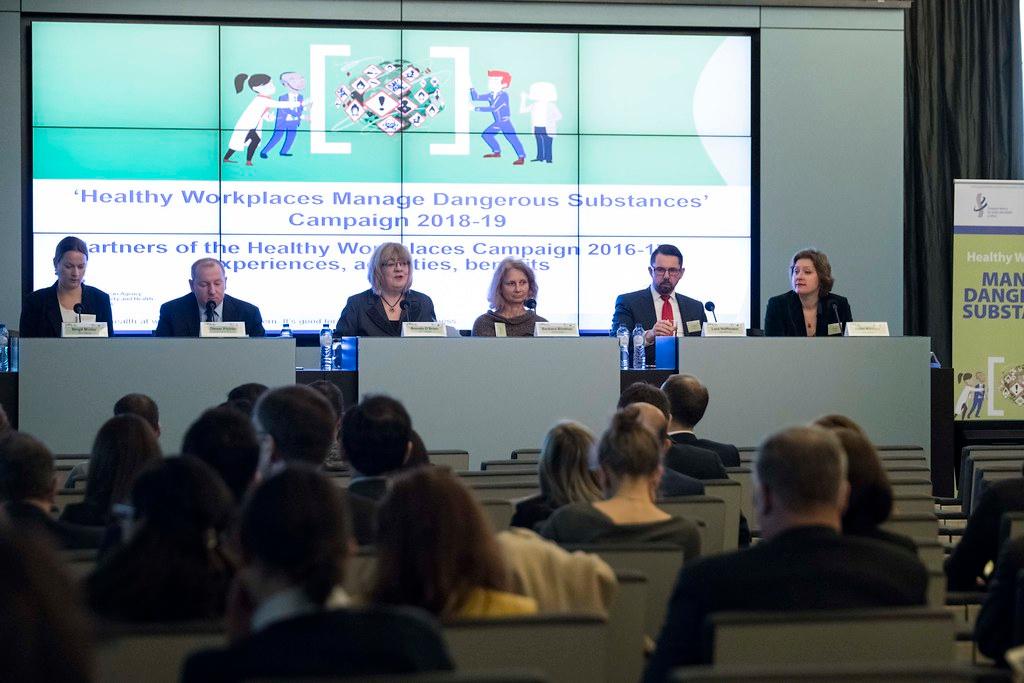
The Brussels City Council session this week addressed pressing local governance issues amid a backdrop of intensifying global tensions, including the volatile situation in the Strait of Hormuz and regional security developments. Despite no new official release of city statistics, local officials emphasized preparedness in community safety and service continuity.
Context: Why Global Events Echo in Brussels
As international headlines reveal escalating violence in the Middle East and security threats impacting global trade routes, such as the recent exchange of strikes between the US and Iran over the Strait of Hormuz, Brussels’ council meetings have taken on renewed urgency. These global conflicts ripple through Europe's political hubs, influencing public safety strategies and emergency response planning in capital cities. Brussels, home to major European institutions, is particularly sensitive to such geopolitical disturbances.
The city council's deliberations reflect a heightened awareness of potential security implications. This comes when Brussels itself has managed crises ranging from public health threats to urban fires in recent years. Though local data statistics were not presented this session, the council's discussions mirror a cautious approach to maintaining resilience across Brussels neighborhoods.
Local Governance and Preparedness Amid Uncertainty
Brussels officials did not introduce fresh numerical data on population safety metrics, emergency response times, or budget allocations for security enhancements during the recent talks. However, they underscored the reliance on established programs addressing community awareness and crisis management in diverse districts. Coordination with regional emergency services continues, intended to protect key urban areas from potential disruptions linked to broader geopolitical instability.
Without the release of new numeric indicators, the council’s focus centers on qualitative preparedness measures in neighborhoods that encompass mixed residential and institutional zones. This includes readiness protocols near prominent European Union buildings and transport hubs crucial for daily commuter flows.
Although exact figures were absent, the council's stance implicitly acknowledges the need for vigilance. Public safety plans are being continuously reviewed even as the city balances daily urban demands with external uncertainties.
Looking ahead, Brussels residents are advised to stay informed through official city channels regarding any updates on public alerts or changes in municipal services. The council’s ongoing monitoring suggests readiness to respond proactively should the international situation materially affect local conditions. Meanwhile, Brussels pursues stability amid a volatile geopolitical environment without immediate data-driven shifts in policy.