news
Brussels Traffic Shapes How Residents Connect Daily With Work, Schools, Community
Movement challenges across the city influence how people reach work, schools and gatherings that hold communities together.
How we reported this
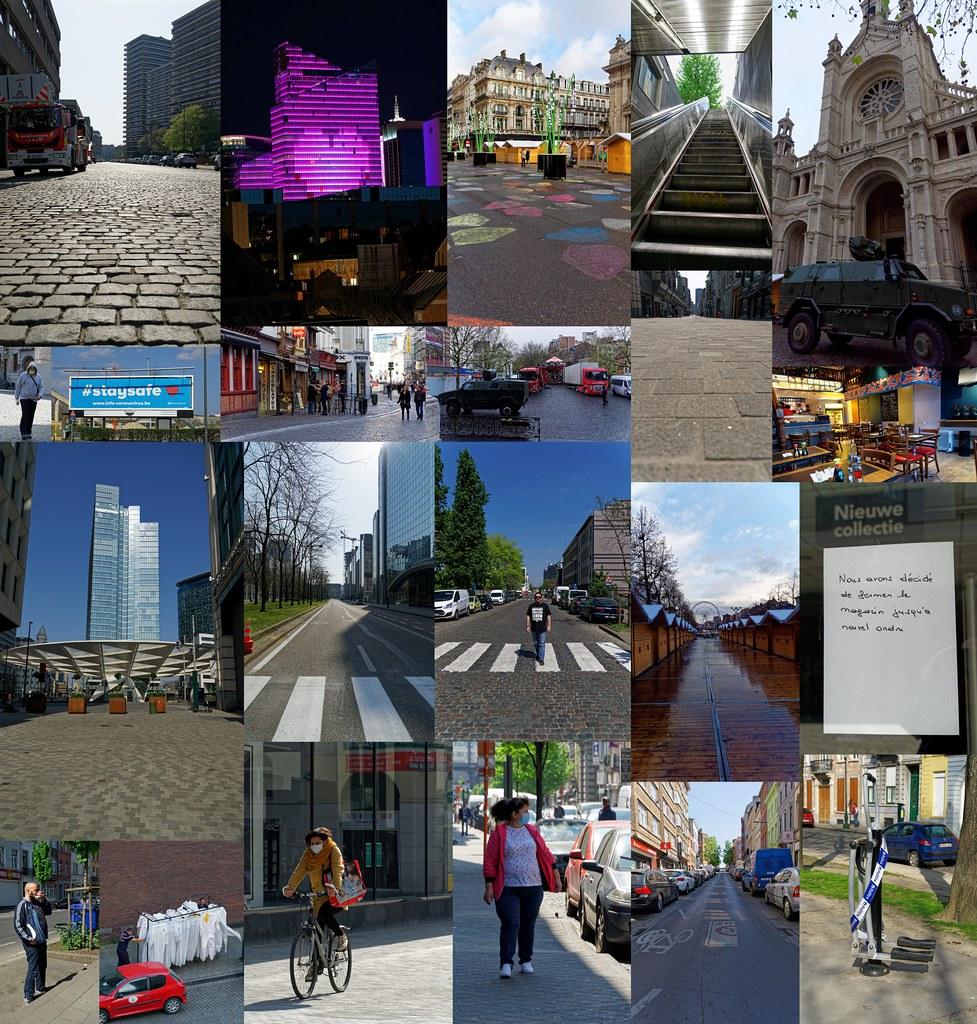
Traffic conditions across Brussels determine the time residents spend traveling between home and essential destinations each day.
These conditions matter now because many households balance fixed schedules for employment and education with the need to stay involved in local activities that build neighborhood connections.
Residents in areas such as Ixelles and Schaerbeek experience the effects when routes to the city center or outer districts slow down, limiting time available for after-work meetings or weekend events at community venues.
Effects on Family and Social Routines
Families adjust departure times to account for slower movement along major corridors, which reduces opportunities for children to join after-school programs or for adults to attend evening gatherings in nearby districts. The pattern repeats across multiple neighborhoods where people rely on the same roads and public options to reach both jobs and social commitments.
Longer journeys also change how often people visit relatives or participate in regular local markets, shifting the rhythm of daily life away from spontaneous interactions toward more planned arrangements.
Reach of Local Services and Businesses
Shops and service providers in central and residential zones see changes in customer flow when traffic extends travel times from outlying areas. This affects how regularly people use nearby facilities instead of traveling farther for the same needs.
Community organizations that depend on volunteers notice similar shifts when participants face extended commutes before or after standard work hours. The overall result appears in reduced foot traffic at neighborhood locations during peak periods.
City transport authorities continue to publish updates on route conditions that residents can consult when planning movements through affected districts.