news
Brussels Infrastructure Projects Transform Daily Life for 750,000 Residents
As Brussels undertakes infrastructure upgrades, the effects on daily life and community development are becoming increasingly significant for residents.
How we reported this
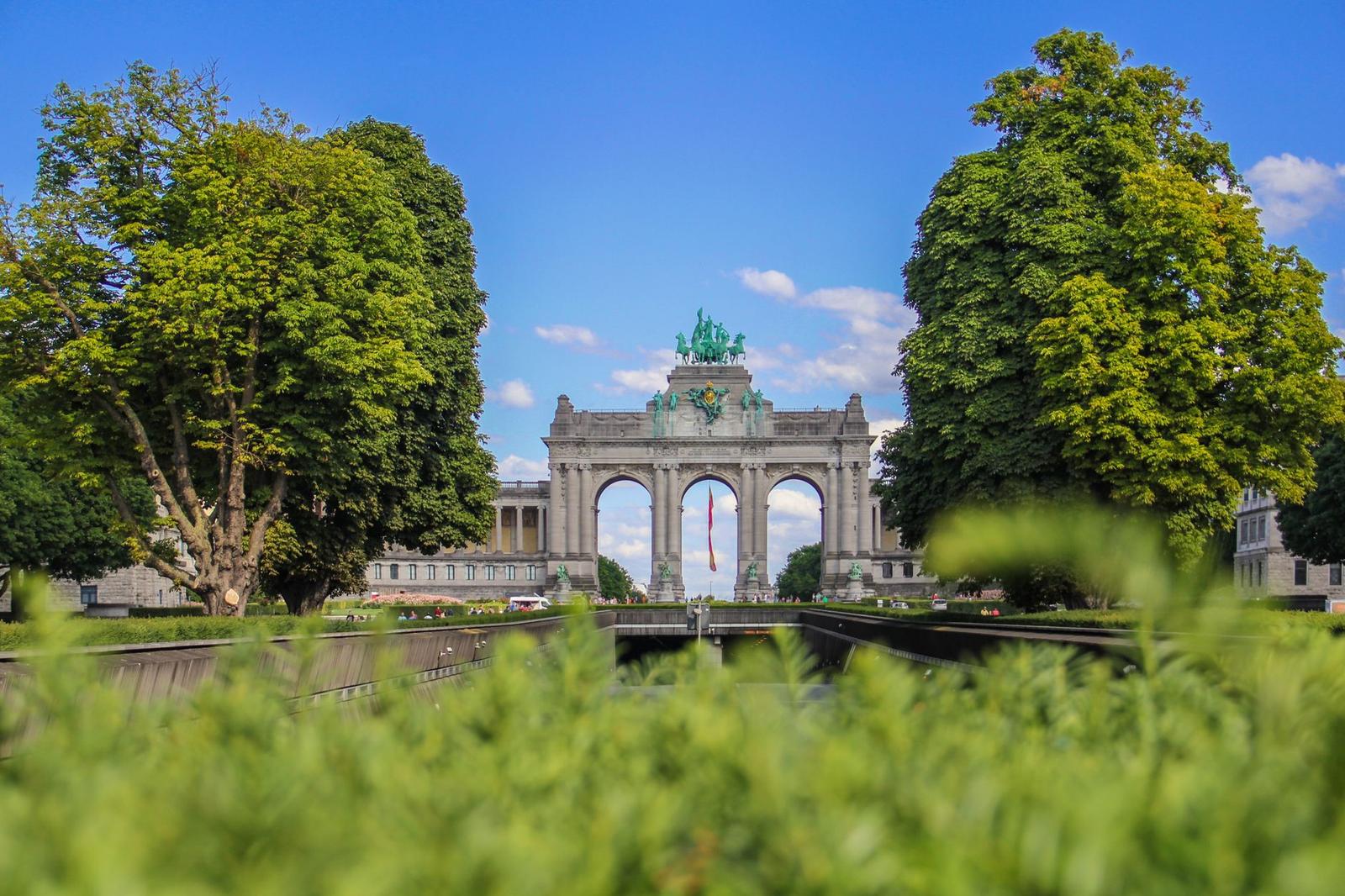
Brussels is at a crossroads with multiple infrastructure projects underway this summer, focusing on urban development and transportation improvements. While these initiatives aim to enhance the city's functionality, their immediate effects on local communities are sparking important conversations about accessibility, disruption, and social equity.
Why Infrastructure Matters Now
The timing of these infrastructure projects comes amid an ongoing debate about how Brussels balances modernization with preserving community integrity. Investments in streets, public transit, and housing aim to support the city’s growth, but locals have expressed concerns about short-term disruptions and long-term benefits. Understanding the impact on neighborhoods, particularly those sensitive to economic stress and displacement pressures, is crucial as the city moves forward.
Local Community Impact and Specific Challenges
In neighborhoods such as Schaerbeek and Anderlecht, residents have reported disruptions due to roadworks and construction delays affecting daily commutes and access to essential services. Projects near major transit hubs are intended to reduce traffic congestion and improve connectivity but often come at the price of temporary noise and limited pedestrian access. Community organizations have highlighted that some residents, including the elderly and families with young children, face increased challenges navigating these changes.
Furthermore, there is an ongoing discussion about how infrastructure efforts intersect with affordable housing availability and urban renewal policies. Several local advocacy groups emphasize the importance of integrating community voices early in project planning to avoid unintended social consequences, such as rising rents or reduced public spaces.
The evidence of these impacts is qualitative given the dynamic and evolving nature of the construction schedules. Residents experience fluctuating street closures and shifting public transit routes, which underscore the complex balancing act between infrastructural progress and the day-to-day life of Brussels’s diverse population.
Moving forward, residents are encouraged to stay informed of project timelines published by the City of Brussels and to participate in local consultation forums. Authorities have reiterated commitments to minimizing disruptions where possible and to prioritizing equitable access throughout the city’s infrastructure renewal process.