news
How Brussels’ Transport Troubles Developed: A Look Back
Understanding the factors that have shaped Brussels’ current traffic and transport challenges provides insight into the city’s path forward.
How we reported this
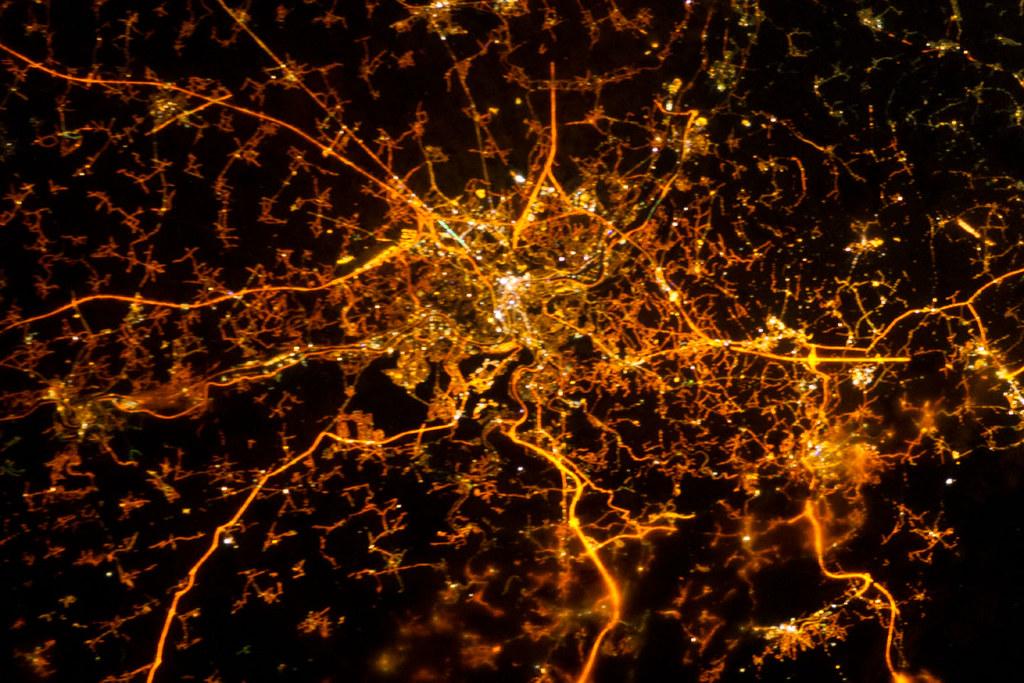
Brussels’ transport system faces increasing pressure as urban growth, policy choices, and infrastructure challenges converge. Congestion, public transport strains, and heavy vehicle traffic have become common sights in the city’s central and peripheral areas. To appreciate why the capital’s transport issues are so acute, a closer examination of the background and contributing factors is crucial.
The Foundations of Today’s Transport Strains
Key elements shaping Brussels’ traffic environment stem from its development pattern and historic infrastructure decisions. The city’s position as both a national capital and a European administrative hub attracts daily commuter flows exceeding what the network was originally designed to handle. Over decades, limited investment in expanding road capacity and delays in upgrading transit services have compounded pressure on streets and public transport alike.
Moreover, Brussels’ urban form-with dense centres and sprawling suburbs-encourages heavy reliance on motor vehicles. Narrow streets, particularly in neighbourhoods like Ixelles and Saint-Gilles, create bottlenecks where freight, private cars, and public transport must share limited space. Meanwhile, coordination challenges among regional and municipal authorities responsible for transport policy sometimes slow implementation of coordinated solutions.
Local Efforts and Their Impact
Brussels has launched various initiatives to mitigate transport woes. The introduction of low-emission zones and enhancements in cycling infrastructure aim to reduce car use and improve environmental conditions. Public transport networks, operated by STIB-MIVB, have expanded services in key corridors, yet frequent delays and overcrowding reveal capacity gaps. The city’s ambitious plan to limit private vehicle access in central areas has faced mixed public reception and logistical issues.
Environmental concerns have also prompted stronger emphasis on sustainable mobility modes. Initiatives promoting pedestrian zones around major squares and transport hubs reflect a growing shift toward prioritising non-motorised transport. However, the transition requires significant adjustments in commuter behaviour and complementary infrastructure expansion, such as more reliable tram and bus lines.
Although no recent specific mileage or congestion figures have been released publicly, local observers note that peak hours remain fraught, with some arterial roads seeing persistently slow traffic. Variability in weather and event-related surges further complicate traffic flows across the city.
Understanding the layered, incremental nature of Brussels’ transport challenges sheds light on why quick fixes are elusive. Past patterns of urban growth, coupled with delayed investments and evolving policy priorities, have brought the city to its current crossroads.
Moving Forward: Navigating Transport Challenges
Looking ahead, Brussels faces the complex task of balancing mobility needs with sustainability goals. Residents who rely on daily travel will continue to benefit from improvements in public transit frequency and reliability, as well as investments in pedestrian and cycling infrastructure. Authorities will need to coordinate region-wide strategies that harmonise vehicle restrictions, public transport capacity, and road maintenance to ease congestion.
While the past decades’ decisions have shaped the current landscape, addressing Brussels’ mobility challenges will remain an ongoing process involving multiple stakeholders. Commuters and visitors alike should prepare for gradual changes in transport patterns and infrastructure over time as the city adapts to its evolving context.