Politics
Brussels Candidates Clash Over Jobs Plan Amid Infrastructure and Services Pledges
With regional elections approaching, candidates are staking positions on transport, healthcare and employment training that will determine how the city allocates funds to reduce joblessness and upgrade ageing public services.
How we reported this
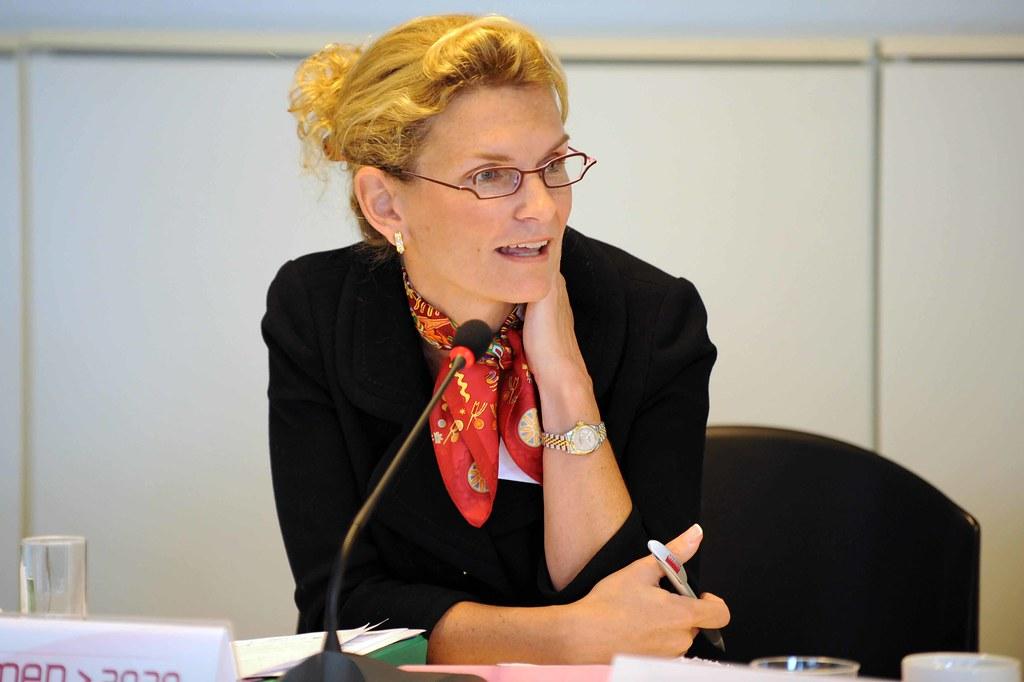
Brussels voters will choose representatives this autumn who promise to reshape how the region spends on jobs, transport and healthcare. The competing visions have become concrete now, with candidates releasing policy platforms that detail where funding goes and which neighbourhoods get priority for infrastructure work.
The stakes are measurable. Brussels faces an unemployment rate that sits above the Flemish and Walloon averages, with youth joblessness particularly acute in outer districts like Molenbeek and Schaerbeek. Whoever controls the regional government after the election will control billions in euros annually for public transport, vocational training and hospital capacity. The regional government budget for 2026 sits at approximately 6.2 billion euros, with education, employment and mobility consuming the largest shares.
Candidates across the political spectrum have signalled that employment and skills training will anchor their pitches. Several campaigns have committed to expanding vocational programmes in construction, healthcare and green energy sectors. The logic is straightforward: Brussels has chronic shortages in trades even as unemployment persists, leaving jobs unfilled while residents lack pathways into them. One major proposal circles around doubling apprenticeship subsidies for companies that hire workers aged 18 to 25 in neighbourhoods where joblessness exceeds 15 percent. Molenbeek, Anderlecht and parts of Saint-Gilles would qualify immediately under those thresholds.
Transport and Neighbourhood Services
Public transport carries weight in every candidate portfolio. The Brussels metro, tram and bus network carries 400 million journeys yearly, with commuters and residents depending on it to reach jobs across the region. Several candidates have pledged to accelerate repairs on ageing infrastructure, particularly the metro lines 2 and 6 that serve high-unemployment districts. Deferred maintenance on rolling stock and track work runs into hundreds of millions of euros. One proposal would fund a dedicated metro maintenance facility and hire 150 technical staff within three years. Another focuses on extending tram lines into areas currently served only by buses, a project analysts estimate would cost 400 to 500 million euros over a decade.
Healthcare access appears frequently in candidate statements. Brussels has five public hospitals and several private clinics, but wait times for non-urgent procedures have stretched to 18 months in some specialties, according to patient advocates. Candidates have pledged additional funding for emergency departments, diagnostic capacity and specialist hiring. One detailed proposal commits 80 million euros over five years to reduce backlogs in cardiology and oncology services at Saint-Luc and Brugmann hospitals, both in the city proper.
What Voters Will Decide
The election shapes not just rhetoric but spending priorities for five years. The regional budget process allocates funds to Brussels departments that oversee employment services, transport authority STIB, and healthcare oversight. Candidates compete partly by targeting visible improvements: a repaired metro station, a new tram extension, a job training centre opened in a specific neighbourhood. For residents in outer Brussels, these pledges often mean the difference between a job opportunity 45 minutes away on an unreliable bus versus accessible by metro, or between a skills course offered locally versus requiring a commute to central districts.
Voters will weigh candidates partly on these technical details. Surveys and focus groups suggest Brussels residents rank jobs, transport reliability and healthcare waiting times as the three most pressing local concerns. The winning coalition after the election will inherit a region facing genuine constraints: ageing infrastructure that requires sustained investment, labour market mismatches that training alone cannot fix quickly, and a municipal budget that must balance competing demands. The candidates who can articulate plausible plans for addressing these specifics will likely find strongest traction with Brussels voters who see these challenges daily.