Politics
EU Ministers Impose Sanctions, Expand Partnerships at Brussels Meetings
Decisions taken by EU ministers in Brussels on sanctions listings, mission mandates and cooperation agreements carry potential implications for security considerations and international relations affecting residents in the city.
How we reported this
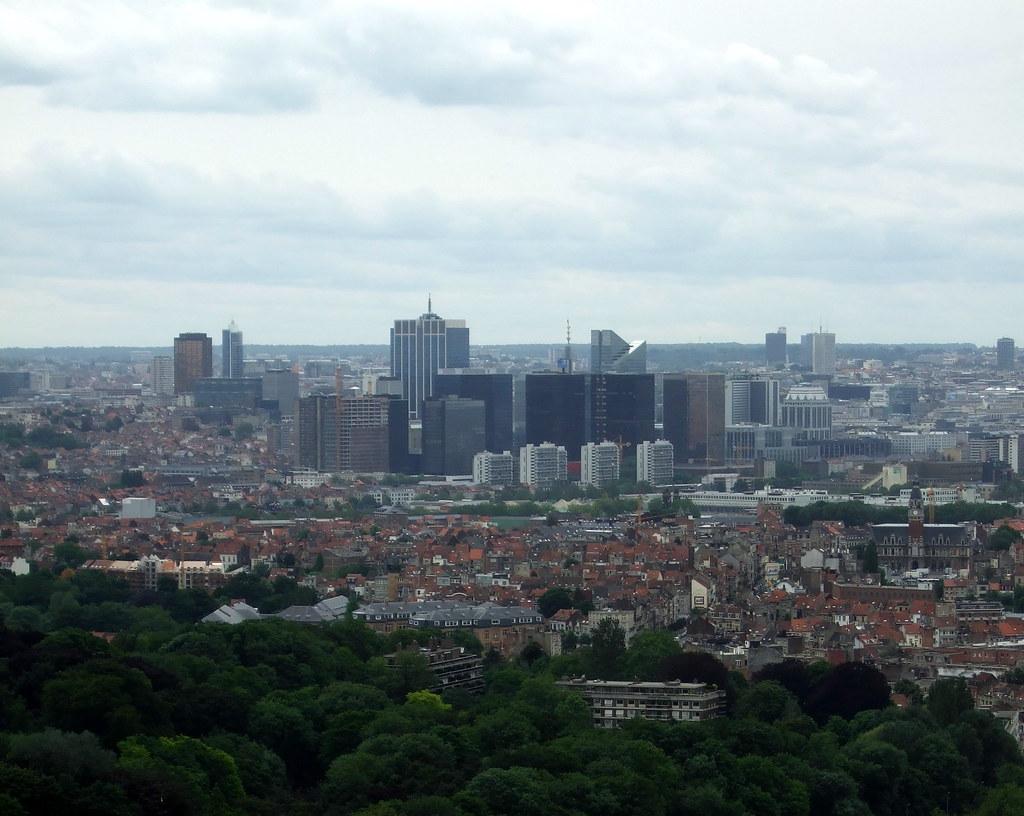
EU Foreign Affairs Ministers meeting in Brussels endorsed deeper foreign, security and defense cooperation with Western Balkans partners, including increased EU support against hybrid threats and disinformation. The same session saw adoption of a strengthened mandate for the EU Advisory Mission in Ukraine along with 23 new sanctions listings targeting individuals responsible for abducting Ukrainian children.
Additional Measures on Sanctions and Syria Relations
The Council approved sanctions on Israeli settlers for violence against Palestinians and agreed on new sanctions against leading Hamas figures while also sanctioning ISIS-linked entities. EU leaders decided on the full resumption of the cooperation agreement with Syria, marking a step in normalizing relations after years of suspension under the Assad regime.
European Council discussions in June 2026 addressed Ukraine support, the EU's next 2028-2034 budget, strengthening European defense via the ReArm Europe initiative and China's market-distorting subsidies. These items were handled during sessions held in Brussels.
Relevance for Brussels Residents
Policy steps taken in the city on sanctions and partnerships are expected to influence the local environment through ongoing work on security guarantees and measures against disinformation. Residents may encounter related effects in daily services and community information channels as EU institutions based in Brussels implement the updated mandates and listings.
The Council actions build on existing frameworks without introducing new local budget figures or timelines beyond those already under discussion. Further implementation steps are projected to follow standard EU procedures following the ministerial endorsements.
Work on post-truce security guarantees advanced during the Brussels meetings alongside the other decisions. These elements remain part of the broader set of outcomes from the sessions attended by ministers in the Belgian capital.