Technology
Brussels Distinguishes Its Tech Scene With City-Level Smart Projects Amid Regional Freeze
The City of Brussels maintains an active Smart City roadmap while the Brussels-Capital Region's plan stays suspended.
How we reported this
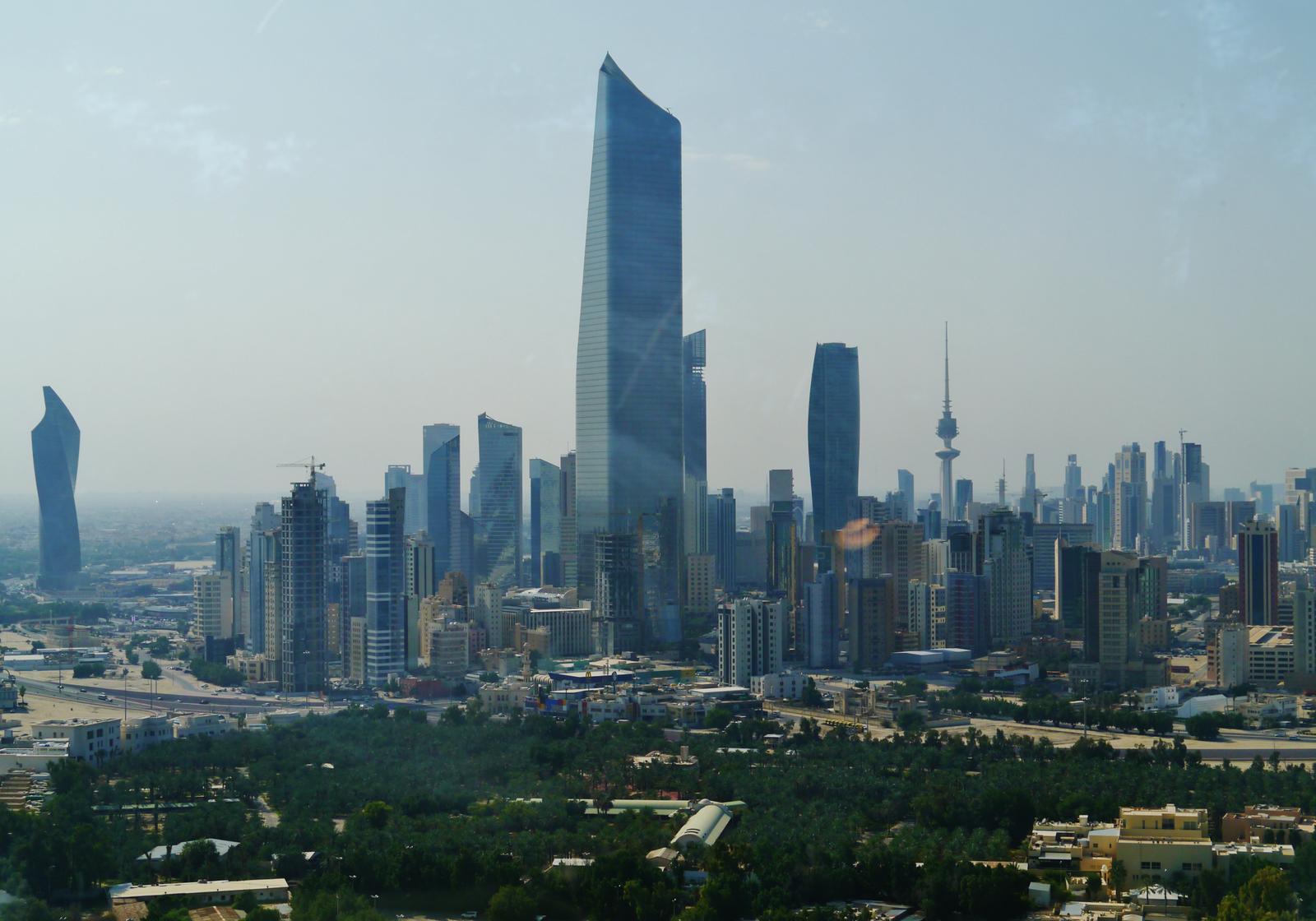
The City of Brussels launched its Smart City strategy in March 2023 with a 2030 target and a roadmap of more than 50 projects across seven policy areas and five pillars, even as the Brussels-Capital Region's own Smart City plan remains suspended and blocks new regional efforts.
Layered governance sets Brussels apart
Other European capitals often coordinate smart-city work through a single regional authority, yet Brussels operates at two levels where the municipal government continues issuing project calls and funding while the regional layer stays frozen. This split lets the City of Brussels move ahead on traffic systems and digital services without waiting for regional approval, creating a test case for how local administrations can sustain momentum during administrative pauses.
Key projects now running include the Digital Twin of Brussels, which combines IoT and satellite data into a 3D model, the BRUCE resident platform, and the bAIcycle smartphone app that rates bike-path conditions. The city also runs 50 Digital Corners and is installing free public Wi-Fi at a minimum 100 Mbps in every public building by 2025.
Concrete investment targets and AI funding
The City of Brussels has committed €50 million over five years to adaptive traffic lights and real-time parking sensors, with goals of cutting commute times 15 percent and CO2 emissions 20 percent by 2026. In 2024 it ran a Data Driven Smart City call that awarded €80,000 for new ideas. Between 2021 and 2024 Brussels organisations received €1.2 billion in research and innovation funding, placing the region fourth in Europe, while startups such as Trosort and Beeodiversity secured Horizon Europe and European Innovation Council grants.
These figures sit alongside the city's plan to plant 25,000 trees by 2030 and the scheduled September 2026 opening of a 1,000-square-metre startup garage by WAT to house 100 early-stage founders working in AI, health and mobility. The combination of measurable mobility targets, active municipal calls and substantial EU-level AI finance marks Brussels out from peers whose smart-city work lacks either the same funding scale or the same persistence at the city level.
City officials continue to issue project calls under the existing 2023 strategy, giving residents and firms a clear route to propose further digital and sustainability work while the regional plan awaits redefinition.