community
Brussels Bars Fill at 9pm, Clubs Thrive Past Midnight Nightly
The city runs on a relaxed schedule with bars filling from 9pm and clubs active past midnight across multiple neighbourhoods.
How we reported this
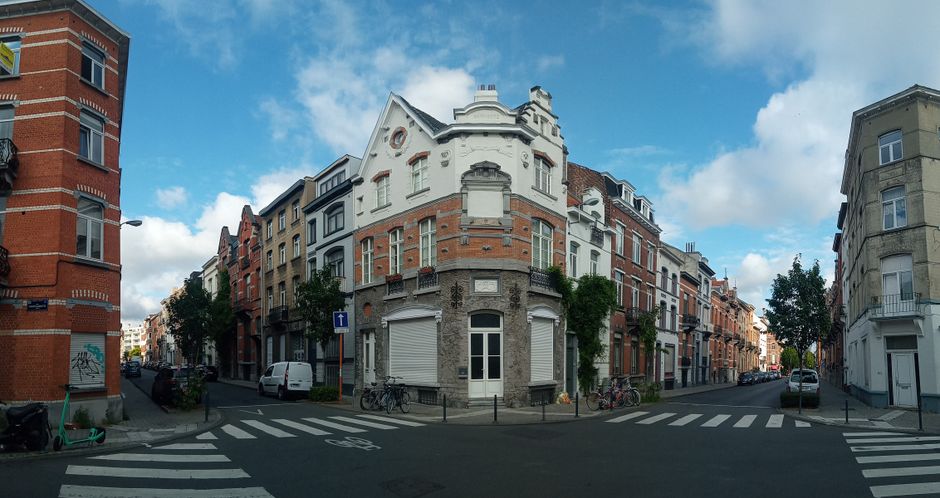
Brussels nightlife operates without limits on closing times or alcohol sales, creating a steady flow of activity through a network of bars and clubs that stays quieter than scenes in Berlin or Barcelona. Residents and visitors move between areas that each draw their own groups on Thursday through Saturday nights.
The pattern matters because the city formed a Night Council to guide how these venues develop, while a single €48 Brussels Volume Pass gives skip-the-line entry at several main spots. Peak attendance holds from Thursday to Saturday, with events stretching to 4-5am and sometimes later on weekends.
Districts set separate rhythms
Saint-Géry holds the largest number of bars and clubs in one area, drawing thirty-somethings to the Halles Saint-Géry zone. Ixelles pulls a local creative crowd, especially around Flagey, while Saint-Jacques along Rue du Marché au Charbon serves as the main LGBTQ+ gathering point. Eurocrats gather at Place du Luxembourg and students head to Cimetière d’Ixelles, each pocket keeping its own pace during the week.
Venues and entry options
Techno nights run at Fuse, C-12 and Gay Haze, hip-hop at Bloody Louis, and jazz at The Music Village. Clubbing itself counts as intangible cultural heritage in the city. Bars often fill around 9pm, clubs pick up after midnight, and terraces stay busy when weather allows. The Brussels Volume Pass at €48 covers entry at leading clubs, and the Night Council tracks how these spaces grow. Visitors can start at Saint-Géry for the widest choice or move to Ixelles for a more neighbourhood feel on any given Thursday, Friday or Saturday.