Wellness
The Sleep Environment Checklist for Better Rest
From blackout blinds to bedroom temperature, Brussels wellness experts say your room is the first thing to fix before you reach for a supplement.
4 min read
Wellness
From blackout blinds to bedroom temperature, Brussels wellness experts say your room is the first thing to fix before you reach for a supplement.
4 min read
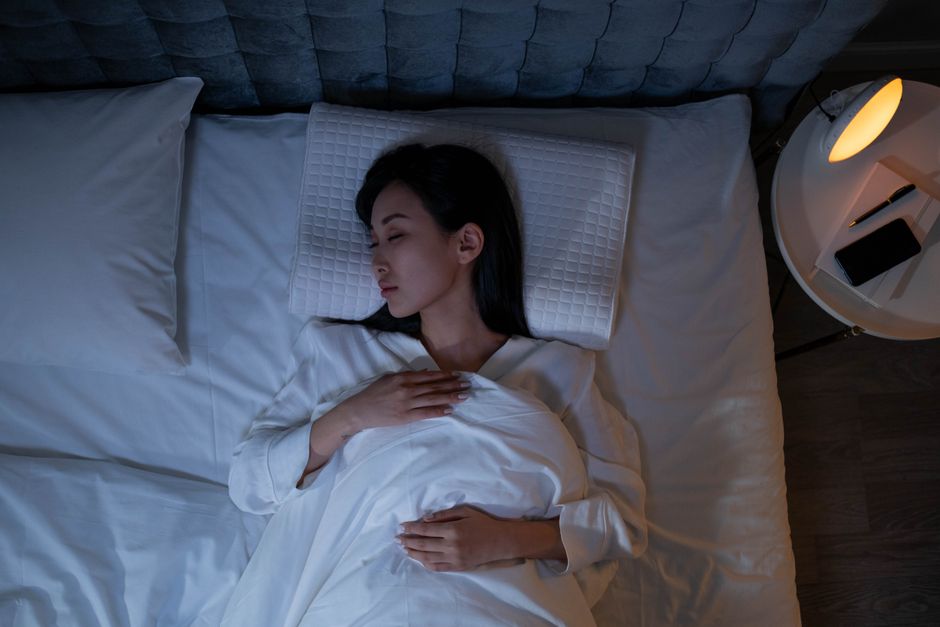
Most people trying to improve their sleep reach for melatonin before they reach for a blackout curtain. That's the wrong order. Sleep specialists affiliated with the UZ Brussel hospital network have been pushing a consistent message through 2026: the physical environment where you sleep matters more than almost any supplement or digital tool on the market, and most city dwellers haven't done the basics.
The timing is pointed. Interest in hormonal sleep aids has surged across Europe this year, with Belgian pharmacies reporting a 34 percent increase in over-the-counter melatonin sales between January and May 2026 compared to the same period in 2025. Meanwhile, the Belgian Federal Institute for Health has quietly been updating its public guidance on sleep hygiene, with new recommendations published in April 2026 urging people to audit their bedroom conditions before starting any supplementation regime. The advice is not complicated. It is just consistently ignored.
Light is the first problem, and in Brussels it is a genuinely structural one. The Ixelles and Saint-Gilles neighbourhoods — dense, lively, full of terraces that stay lit until well past midnight in summer — produce the kind of ambient street light that suppresses melatonin production naturally. A decent blackout blind costs between €35 and €90 at the Brico stores on Chaussée de Mons or the IKEA in Anderlecht. That single purchase, sleep researchers consistently find, can reduce sleep onset time by 15 to 20 minutes in urban environments.
Temperature is the second variable almost nobody controls deliberately. The body needs to drop roughly one degree Celsius in core temperature to initiate deep sleep. In poorly ventilated Brussels apartments — particularly the older stock around Schaerbeek and Etterbeek — bedroom temperatures in July routinely sit at 24°C or above by midnight. The target is 18°C. A small fan costs less than €25. A programmable thermostat, increasingly common in renovated flats in the Châtelain area of Ixelles, lets you schedule a temperature drop 90 minutes before your usual bedtime. This is not luxury wellness. It is basic thermal management.
Noise deserves its own line. Brussels sits under the approach path for Brussels Airport, and aircraft noise between 06h00 and 07h00 is a documented sleep-fragmentation issue for residents in Evere and Zaventem-adjacent communes. The Brussels Environment agency, known as Bruxelles Environnement, published noise mapping data in 2024 showing that over 180,000 residents in the Brussels-Capital Region are exposed to nighttime noise levels above the WHO threshold of 40 decibels. Earplugs rated at 33 SNR — the standard measure of noise reduction — are available at most pharmacies on Boulevard Anspach for around €4 a pair. White noise machines, sold at Fnac on City 2 shopping centre, range from €29 to €79.
The screen conversation is well-worn but the specifics still catch people out. It's not just about stopping scrolling before bed. The blue-light output from a 65-inch television left on standby in a dark room still registers on the retina. Every light source counts: the red standby dot on a sound system, the charging indicator on a phone, the clock display on a router. Covering or removing these costs nothing.
Scent is further down the checklist but not irrelevant. A 2022 study published in Frontiers in Neuroscience found that lavender essential oil diffusion in a bedroom reduced self-reported sleep disturbance by 14.9 percent over a two-week trial in 158 participants. Bio-Planet, which has a location on Rue de Linthout in Etterbeek, stocks a range of certified organic lavender oils starting at €8.50.
The practical starting point for anyone in Brussels is simple. This weekend: install a blackout blind, move your phone charger outside the bedroom door, and check your thermostat settings. Book a conversation with your GP at a Centre de Santé — there are 23 accredited centres across the Brussels-Capital Region — before adding any hormone-based product to the picture. The environment comes first. Everything else is secondary.

Wellness
Wellness
Wellness
Wellness
About this article
Published by The Daily Brussels
Spread the word
Daily brief
Free, in your inbox before 7am. Weekdays.