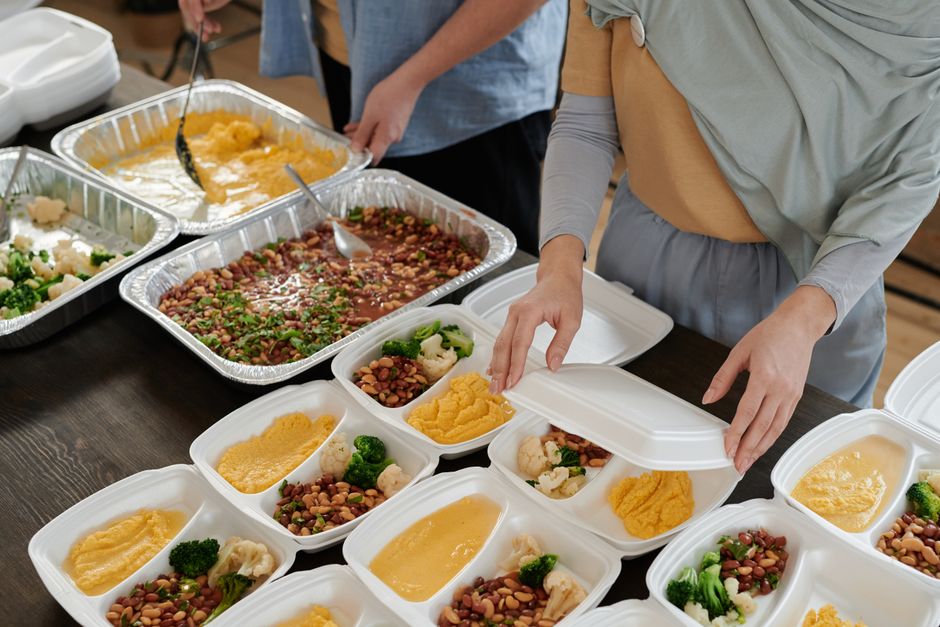
Belgians eat, on average, 87 grams of protein per day — but the source of that protein is shifting fast. Sales of plant-based proteins at Brussels-area supermarkets rose 14 percent between January and June 2026, according to figures released last month by Comeos, the Belgian retail federation. The trend is most visible not in the big chains but in the speciality grocers and covered markets that define the city's food culture.
The shift matters because European health authorities are paying closer attention to dietary protein quality, not just quantity. The European Food Safety Authority reaffirmed in late 2025 that adults need at least 0.83 grams of protein per kilogram of body weight daily, and that a diverse mix of sources — not reliance on red meat — produces better long-term health outcomes. For a 75-kilogram adult, that works out to roughly 62 grams per day, achievable entirely without a single chicken breast if you know where to shop.
Where to find it in the city
The Marché du Midi, which runs every Sunday morning along the Rue du Midi in Anderlecht, is the most obvious starting point. Stalls from Moroccan and Turkish traders stock dried chickpeas, lentils, and fava beans in bulk — a kilogram of green lentils typically runs €1.80 to €2.20, cheaper per gram of protein than most supermarket mince. Cooked lentils deliver around 9 grams of protein per 100 grams, and they require nothing more than a pot and twenty minutes.
Further east, Rob — the upmarket food hall on Boulevard de la Woluwe in Woluwe-Saint-Lambert — stocks an expanding range of Greek-style strained yoghurt, Icelandic skyr, and quark, all of which clock in at 8 to 11 grams of protein per 100 grams. A 500-gram tub of skyr costs around €3.50. The dairy protein in these products is complete, meaning it contains all nine essential amino acids — the same claim that gives meat its nutritional prestige.
In Saint-Gilles, the small fermentation shop Bloom Ferments on Chaussée de Waterloo has built a loyal following since opening in 2024. Its house-made tempeh — a fermented soybean cake originally from Indonesia — contains roughly 19 grams of protein per 100 grams, making it one of the densest plant-based options available in the city. A 250-gram block sells for €4.90. Staff there explain fermentation to customers willing to listen, and the shop runs occasional Saturday workshops on home fermentation.
The case for eggs, fish, and fungi
Eggs remain one of the most cost-effective complete proteins in Belgium. At the Place Flagey market in Ixelles, biodynamic eggs from Walloon farms sell for around €4.50 a dozen — roughly 6 grams of high-quality protein per egg, with a leucine content that nutritionists consider optimal for muscle repair. That market runs Tuesday and Friday mornings year-round.
Herring deserves more attention than it gets. The North Sea herring sold at fishmongers along the Quai aux Briques in the centre packs 17 to 20 grams of protein per 100 grams, along with omega-3 fatty acids. A rollmop costs under €2. Sardines, mackerel, and mussels — the latter a Belgian staple — offer similar profiles and are substantially lower in environmental cost per gram of protein than beef production.
Fungi are the frontier. Dried porcini and shiitake, available at most of the city's Asian grocery stores along the Rue de Brabant in Schaerbeek, are not protein powerhouses on their own — around 3 grams per 100 grams rehydrated — but they amplify the protein value of legume dishes through their glutamate content, making meals more satisfying without adding more meat.
Anyone restructuring their diet significantly should speak with a registered dietitian before making wholesale changes — the Centre de Santé des Marolles on Rue Haute offers consultations on a sliding-fee scale. The broader point is practical: Brussels already has the infrastructure for a diverse, protein-rich diet that does not depend on meat. The ingredients are in the markets. The question is knowing which stalls to stop at.