Wellness
Walking Meditation: How to Turn Your Daily Walk Into Mindfulness
Brussels has the parks, the canal paths, and the morning crowds — here's how to use all of it as a meditation practice, no cushion required.
4 min read
Wellness
Brussels has the parks, the canal paths, and the morning crowds — here's how to use all of it as a meditation practice, no cushion required.
4 min read
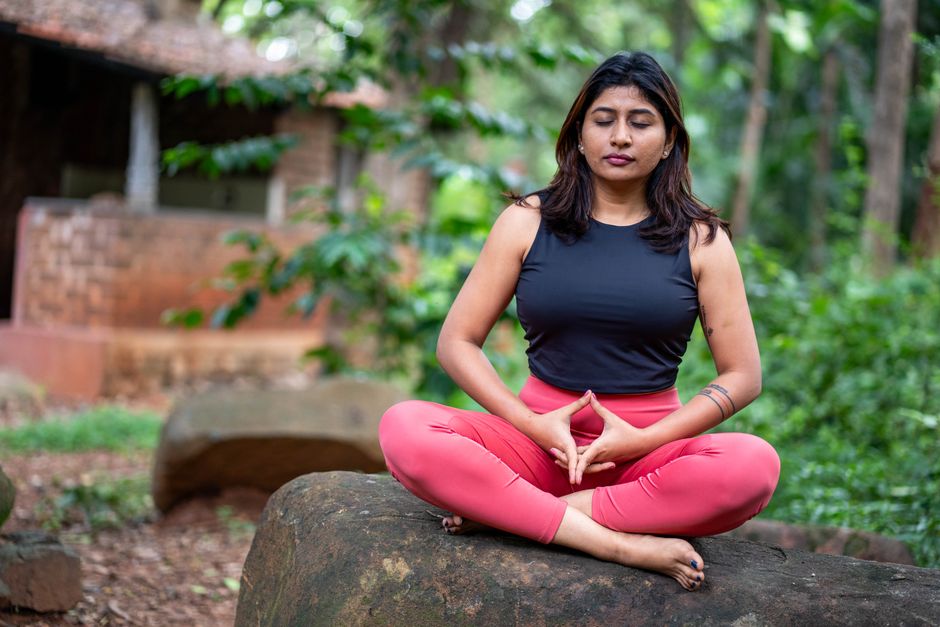
Most Brussels residents already walk. The city's 19 communes logged an average of 6,200 daily steps per resident in 2024, according to mobility data compiled by Bruxelles Mobilité. The question researchers and wellness practitioners are increasingly asking is whether those steps are doing anything for the mind — and the evidence suggests they could, with almost no extra effort.
Walking meditation is not a new concept. Zen Buddhist monasteries have used kinhin — slow, deliberate walking between sitting sessions — for centuries. What has changed is the broader interest in accessible mental health tools among urban populations facing sustained stress. A 2023 meta-analysis published in Mental Health and Physical Activity found that structured outdoor walking reduced symptoms of anxiety by 18 percent over eight weeks compared to indoor sedentary controls. The threshold for "structured" was low: participants simply paid deliberate attention to their body and surroundings while walking, rather than scrolling or listening to podcasts.
For Brussels, this matters right now. Burnout rates across Belgium's capital region remain stubbornly high, with the Brussels Health and Social Observatory reporting in its 2025 annual review that 31 percent of working-age adults in the Region exhibited at least two clinical markers of chronic stress. Practitioners at several local wellness centres say demand for entry-level mindfulness programmes has outpaced supply since early 2025.
The technique is simpler than most people expect. Start at a fixed point. Slow your pace by roughly 20 percent — not enough to look unusual on the Rue du Midi, but enough to feel your heel make contact before your toe. Breathe in for four steps, out for four. Notice one thing per sense: the smell of coffee from a terrace on Place Sainte-Catherine, the sound of tram 92 rounding the corner, the temperature of the air on your forearm. That's it. No app required.
The Bois de la Cambre in Ixelles is the obvious starting point for Brussels residents who want to practise without distractions. On weekday mornings before 8 a.m., the southern section near the boathouse is quiet enough to hear your own footfall on the gravel. The Canal de Charleroi path between Anderlecht and Molenbeek offers a flat, continuous 4-kilometre stretch that many experienced practitioners prefer precisely because there is less visual novelty — the monotony becomes meditative rather than boring once you shift attention inward.
For those who want structured guidance before going solo, the Brussels-based organisation Mindful Brussels, which operates out of a community space on Rue Blaes in the Marolles district, runs a free Saturday morning walking session departing at 9 a.m. from the Place du Jeu de Balle flea market. The 90-minute session has been running since March 2024 and regularly draws 20 to 35 participants. The Centre for Mindfulness Belgium, affiliated with ULB's medical faculty and headquartered in Ixelles, offers a six-week Mindfulness-Based Stress Reduction course for €280 that includes one dedicated outdoor walking session per module — its next cohort starts 14 September 2026.
The neuroscience is fairly straightforward. Repetitive bilateral movement — left foot, right foot — activates the default mode network differently than sitting meditation, making it easier for people who find stillness frustrating. A 2022 study from the University of Michigan tracked cortisol levels in urban walkers and found that 20 minutes of attentive outdoor walking reduced salivary cortisol by an average of 21 percent. The operative word is attentive. Participants who walked the same route while using a smartphone showed no statistically significant reduction.
That finding resonates with what wellness instructors in Brussels have been observing anecdotally. The city's density actually helps: the sensory richness of a neighbourhood like Saint-Gilles, with its art nouveau facades, market noise, and mixed languages, gives a practitioner more anchors for present-moment awareness than a featureless suburban path.
The practical entry point is deliberately low. Pick a walk you already take — the 10 minutes from Etangs d'Ixelles to the Flagey tram stop, the lunchtime circuit around the Parc du Cinquantenaire — and for three days this week, leave the earphones out. Slow down slightly. If attention drifts to a to-do list, return it to the sensation of walking. Do that consistently for a fortnight before evaluating whether it is working. Practitioners recommend keeping a one-line journal entry after each session — not to track progress, but to notice patterns. As always, anyone dealing with clinical anxiety or depression should speak with a GP or psychologist before using any self-directed practice as a primary intervention.

Wellness
Wellness
Wellness
Wellness
About this article
Published by The Daily Brussels
Spread the word
Daily brief
Free, in your inbox before 7am. Weekdays.