Brussels residents spent an average of €1,340 per month on essential living costs in the first quarter of 2026, according to figures compiled by the Belgian Federal Planning Bureau — a 6.2 percent rise on the same period in 2024. Food alone is up 11 percent since January 2025. But a growing body of research suggests that the adaptive strategies people adopt under financial pressure — community cooking, walking commutes, park-based socialising — are not merely coping mechanisms. They are, independently, among the most evidence-backed wellness interventions available.
The timing matters. European mental health surveys published in May 2026 by the European Observatory on Health Systems and Policies found that financial stress now ranks as the primary driver of anxiety disorders among 25-to-44-year-olds across the EU's major cities, overtaking work-related burnout for the first time. In Brussels, a city where one in five residents lives below the relative poverty threshold, the overlap between economic strain and deteriorating wellbeing is not abstract. It shows up in GP waiting rooms in Molenbeek and at the drop-in counselling services run by organisations like Télé-Accueil on the Rue de Stassart.
What the Research Actually Shows
The science here is not new, but it is newly urgent. A 2023 meta-analysis published in the journal Social Science & Medicine — covering 47 studies and more than 180,000 participants across Western Europe — found that individuals who regularly engaged in low-cost social activities, specifically shared meals, community gardening and non-motorised commuting, reported significantly lower cortisol levels and better sleep quality than peers with higher disposable incomes who spent heavily on commercial leisure. The mechanism is not poverty itself producing health benefits; it is the specific behaviours that budget constraints tend to promote.
Walk the Ixelles commune on a Saturday morning and you see this dynamic playing out organically. The Flagey market draws thousands of residents who buy seasonal vegetables directly from regional producers at prices running roughly 30 to 40 percent below supermarket equivalents. Nutritional epidemiologists at the Université Libre de Bruxelles have been tracking dietary patterns in the Ixelles and Saint-Gilles communes since 2022, and their preliminary data, presented at a Brussels public health symposium in March, shows that households spending under €250 per month on food — achieved largely through market shopping and batch cooking — are consuming more fibre and fewer ultra-processed products than higher-spending counterparts.
Parks are the other variable researchers keep returning to. A 2025 study from the Vrije Universiteit Brussel quantified what urban planners have long suspected: residents living within 400 metres of green space, which includes the Parc du Cinquantenaire in Etterbeek and the Bois de la Cambre on the Forest-Ixelles border, used paid gym memberships 58 percent less frequently but recorded equivalent or superior cardiovascular fitness markers. Free public infrastructure, in other words, substitutes effectively for commercial wellness spending when people actually use it.
Putting It Into Practice Across the Capital
Several Brussels organisations are now formalising what was previously intuitive. BRAL, the Brussels neighbourhood advocacy network based in the Rue Gaucheret in Schaerbeek, launched its Levensstandaard Welzijn programme in February 2026, pairing budget coaching sessions with guided park walks and collective cooking workshops. Attendance hit 340 participants by the end of June. The programme draws on the same evidence base that informs the World Health Organisation's 2025 guidance on financial wellbeing as a social determinant of health.
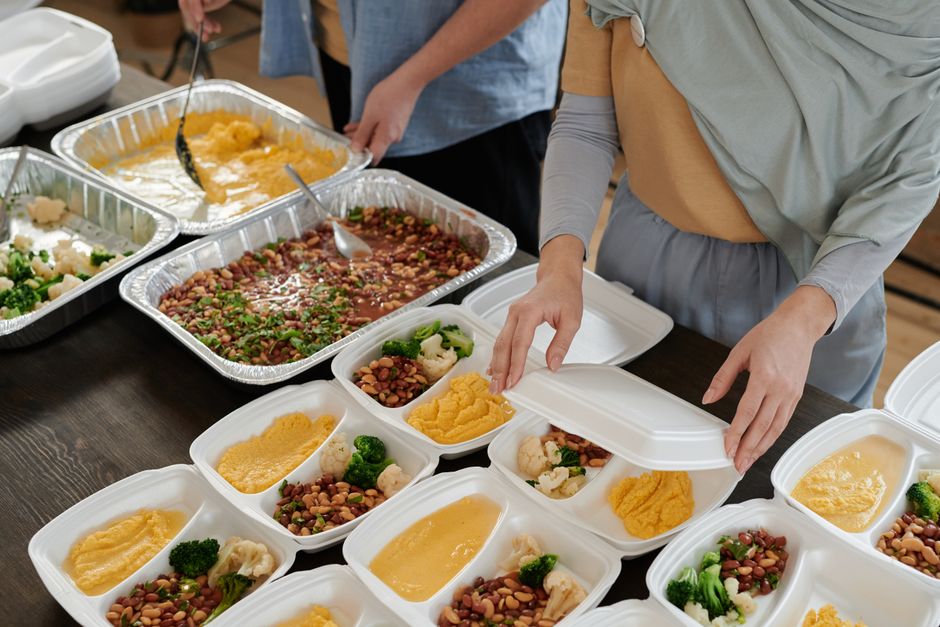
The practical steps emerging from both the research literature and local programmes converge on a short list. Weekly market shopping at Flagey, Parvis de Saint-Gilles or the Place du Châtelain cuts food costs without sacrificing nutritional quality. Replacing one commute leg with cycling along the Canal route measurably reduces stress hormones within three weeks, per the ULB data. And collective cooking — sharing a meal prepared with others — delivers the social bonding that psychiatrists consistently identify as the single strongest buffer against depression.
None of this replaces a conversation with your GP or a registered dietitian at a local CPAS health centre if you are struggling. But the evidence is clear enough to act on: in Brussels in July 2026, the cheapest wellness tools available are also, increasingly, the ones with the strongest science behind them.
This article was compiled by AI and screened before publishing. See our editorial standards.