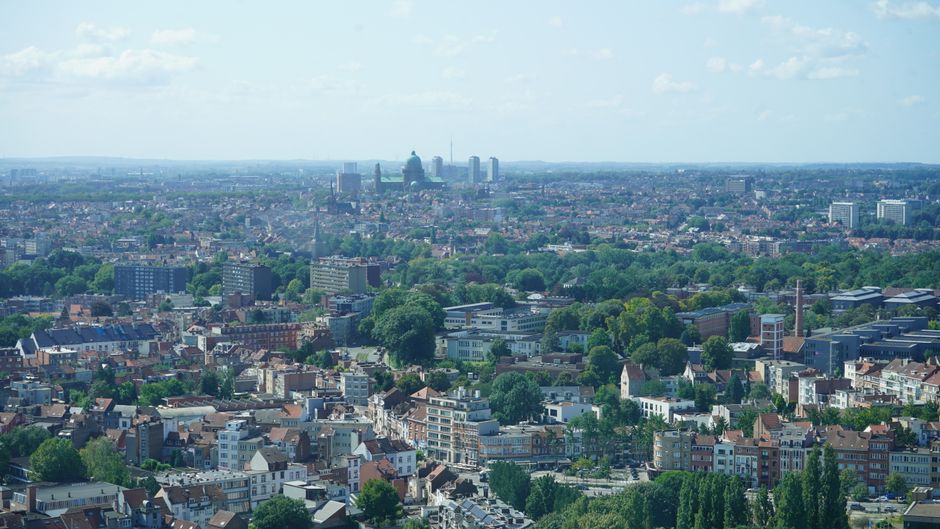
Sleep medicine is having a moment in Brussels. Waiting lists at several of the city's accredited sleep clinics have stretched to eight or ten weeks this summer, a sign that demand for formal diagnosis is outpacing capacity — and that Belgians are finally treating poor sleep as a clinical problem rather than a personal failing.
The timing matters. A wave of public attention around hormones, circadian rhythms and the long-term consequences of sleep deprivation has pushed the issue into everyday conversation. Cardiologists and general practitioners across the capital say they are fielding more referrals than at any point in the past decade. The Belgian Sleep Society, which coordinates accreditation standards for sleep laboratories nationwide, logged a 23 percent rise in diagnostic referrals between 2023 and 2025, driven largely by adults aged 35 to 55 — the same demographic most likely to be juggling commuter stress, screen overload and perimenopause or andropause-related hormonal shifts.
What a Sleep Study Actually Involves
Most Brussels residents who seek help start with their médecin généraliste or huisarts, who can issue a referral for a polysomnography — the gold-standard overnight sleep study. The test tracks brain waves, blood oxygen levels, heart rate, breathing and limb movements across a full night. It sounds elaborate, but the procedure itself is straightforward: a technician attaches electrodes and sensors before lights-out, and the patient sleeps in a private room while data is recorded continuously.
The Clinique du Sommeil at CHU Saint-Pierre, located on Rue Haute in the Marolles neighbourhood, is one of the most established units in the city, operating under the broader university hospital network. Across town, the UZ Brussel campus in Jette — part of the Vrije Universiteit Brussel system — runs a dedicated sleep disorders unit that accepts both Dutch- and French-speaking patients. Both centres offer home-based monitoring devices for patients whose symptoms suggest straightforward obstructive sleep apnoea, which can reduce waiting times significantly.
Private options have also expanded. The Institut du Sommeil et de la Vigilance, which operates a consultation centre accessible from the Montgomery metro station in the European Quarter, offers faster appointments — typically within two to three weeks — for patients willing to pay out of pocket or claim through supplementary insurance. An initial consultation runs approximately €120 to €180, with the overnight polysomnography itself costing upwards of €350 before any INAMI reimbursement is applied. Patients with a valid referral and confirmed sleep apnoea diagnosis can recover a substantial portion through the Belgian national health system, though the paperwork requires persistence.
Beyond the Lab: What Brussels Clinics Are Recommending
Diagnosis is only the entry point. Sleep specialists across the capital have increasingly integrated cognitive behavioural therapy for insomnia — CBT-I — into their standard protocols. The approach, which restructures sleep habits and thought patterns over six to eight sessions, has a stronger long-term evidence base than medication for chronic insomnia. The Réseau Santé Bruxellois has been piloting a group CBT-I programme at several community health centres since January 2026, targeting adults who do not meet the threshold for a formal sleep disorder but report persistent fatigue and difficulty maintaining sleep.
Melatonin use has also surged. Belgian pharmacists in central Brussels report that demand for over-the-counter low-dose melatonin — legally available here at up to 0.29 mg without prescription — doubled in the 18 months to June 2026. Sleep clinicians are broadly supportive of short-term use for circadian adjustment, such as shift work or jet lag, but cautious about habitual reliance without understanding the underlying cause.
For anyone in Brussels who suspects their fatigue is more than ordinary tiredness, the practical first step is a GP appointment to rule out thyroid dysfunction, anaemia or mood disorders before pursuing a sleep study. If a referral is issued, the Belgian Sleep Society's public registry at belgiansleepsociety.be lists all accredited laboratories by postcode. Booking directly with a centre's intake coordinator, rather than waiting for an administrative letter, can shave weeks off the process. The city has the infrastructure. The gap, as ever, is knowing where to look. Consult a local medical professional before beginning any treatment or diagnostic pathway.