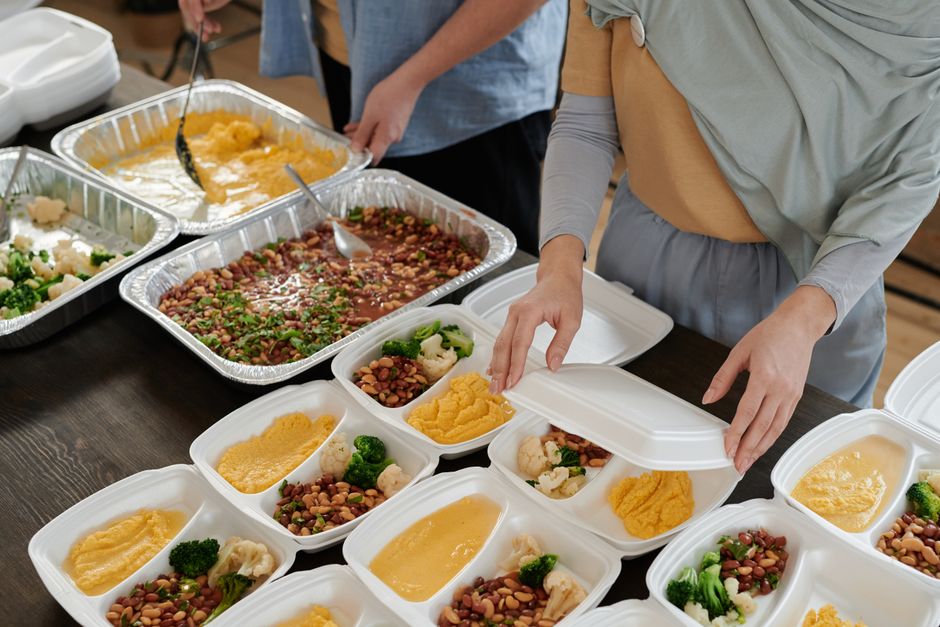
Three hours on a Sunday afternoon. That's all it takes, according to dietitians working with the Brussels-based community health network Maison de la Santé d'Ixelles, to keep a family of four fed properly from Monday through Thursday. The method — bulk-prepping proteins, grains, and roasted vegetables in a single session — is gaining serious traction across the capital's working neighbourhoods, from Molenbeek to Etterbeek, as households grapple with schedules that leave almost no room for weeknight cooking.
The timing matters. Eurostat figures published in May 2026 showed that Belgian households now spend an average of €487 per month on food and non-alcoholic drinks, a figure that has climbed roughly 11 percent since 2023. Eating out or relying on delivery apps punishes that budget further. A single weeknight takeaway order from a Rue Neuve-area restaurant or a Deliveroo drop to the Schaerbeek postcodes routinely costs €22 to €35 for a couple. Cooking from a prepped fridge cuts that same meal to under €6 per person — and the evidence is accumulating that structured meal prep is the most reliable lever families have on both spending and nutrition.
What the Prep Actually Looks Like
The core principle is batch-cooking a handful of "neutral" base ingredients that can be remixed across different meals. Think a kilo of roasted chickpeas, a pot of farro or spelt — both widely available at Rob Gourmet on Boulevard de la Woluwe — and a sheet pan of whatever seasonal vegetables are running cheapest at the Sunday market on Place du Châtelain. From those three components, a household can assemble grain bowls, stuffed wraps, quick soups, and pasta dishes without repeating the same meal twice.
The Färm cooperative, which operates stores in Saint-Gilles and Ixelles, has noticed a shift in what Brussels shoppers are buying. Bulk dried legumes and whole grains — lentils, red beans, pearl barley — are moving faster than they did two years ago, staff there have noted, with weekend afternoons seeing the strongest traffic. Färm's own in-store recipe cards, updated quarterly, have leaned hard into prep-friendly formats since late 2025, suggesting the demand signal from customers is real.
Protein is where Brussels meal-preppers often hit a wall. Chicken thighs — more forgiving than breasts and cheaper by roughly 30 percent — can be marinated in bulk, baked, and refrigerated safely for up to four days. Fish is trickier; nutritionists at Maison de la Santé d'Ixelles generally advise cooking fish no more than 24 hours ahead to preserve both texture and safety. Hard-boiled eggs, though humble, pull enormous weight in a prepped fridge: six eggs take eleven minutes, cost about €1.80 at most Brussels supermarkets, and solve the protein problem at breakfast and lunch simultaneously.
The Mental Load Problem — and How Prep Solves It
Fatigue around food decisions is real and documented. A 2024 paper in the journal Appetite found that households making more than five distinct food decisions per day reported significantly higher stress scores by Thursday evening than those who pre-committed to a weekly meal structure on weekends. Brussels, with its bilingual administrative culture and a commuter workforce that frequently logs twelve-hour days between the EU Quarter and home, is fertile ground for that kind of decision fatigue.
The practical prescription from local dietitians is specific: dedicate one container per meal type, label everything with the preparation date using masking tape and a marker, and keep the fridge organised so prepped items occupy the top shelf — the zone of least friction when you're hungry and exhausted at 7 p.m. on a Wednesday.
For families with children in Brussels' communal school system, the prep habit maps neatly onto the academic calendar. September, January, and the post-Easter return — the three heaviest pressure points of the school year — are when Maison de la Santé d'Ixelles says its drop-in nutrition workshops fill fastest. The next free session runs on 12 July at its Ixelles clinic on Chaussée de Wavre. No appointment needed. Bring a shopping list and, if it helps, a pen.
For personalised dietary advice, consult a registered dietitian or your local Brussels GP.