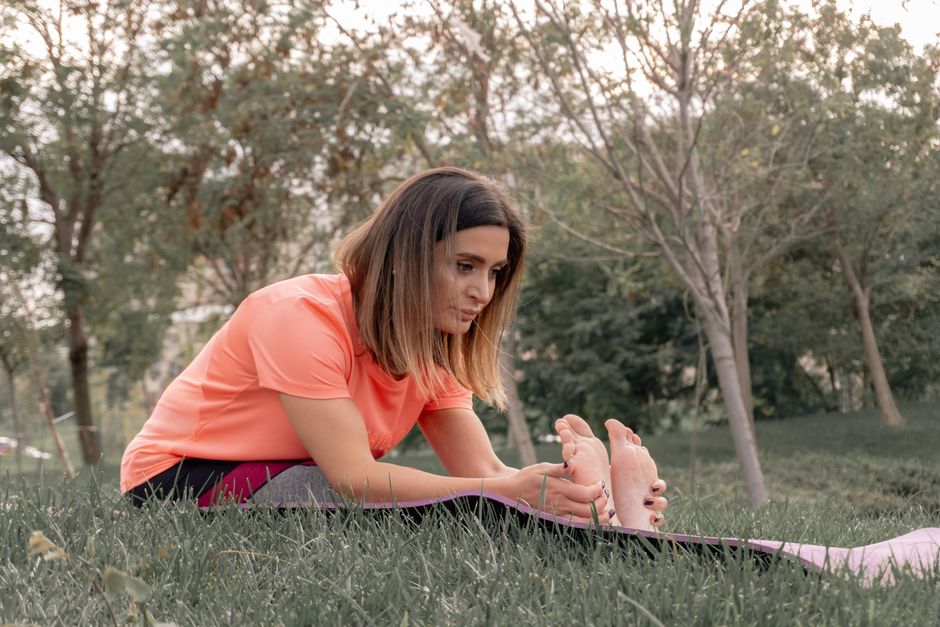
Starting 7 July, Brussels residents aged 60 and over can sign up for free weekly fitness sessions at community centres across all 19 communes, under an expanded initiative coordinated by the Brussels Regional Public Service (SPRB) and local commune administrations. The program, which ran as a pilot in four communes last autumn, is now open city-wide for the first time.
The push comes as health researchers across Europe are sharpening their focus on sedentary behaviour among older adults. A 2025 report from the European Centre for Disease Prevention and Control found that fewer than 28 percent of Europeans over 65 meet the World Health Organisation's recommended 150 minutes of moderate physical activity per week. In Brussels, where the proportion of residents aged 65 and over has climbed to roughly 19 percent of the population — about 220,000 people — that gap carries real public health weight. Commune-level health officers have been pressing for structured, accessible programming since at least 2024.
What's on offer, and where
The sessions range from chair yoga and low-impact aerobics to Nordic walking circuits through the Bois de la Cambre and gentle aqua-fitness at the Centre Sportif de la Vallée de Josaphat in Schaerbeek. The Commune d'Ixelles is running Tuesday and Thursday morning classes at its Centre Communautaire Maritime on Rue de la Tulipe, while Molenbeek-Saint-Jean has partnered with the non-profit Sport et Santé ASBL to deliver sessions every Wednesday at the Maison de Quartier Bonnevie on Rue Bonnevie. Laeken residents are being directed to the Atomium-adjacent sports grounds at Parc d'Ossegem, where outdoor circuit training starts at 9 a.m. each Monday.
Registration is handled commune by commune. Most require only a valid identity card and a brief health questionnaire — no doctor's certificate is needed to attend introductory sessions, though instructors are trained to flag participants who may benefit from a GP check-in before progressing to higher-intensity formats. All classes are capped at 20 participants to allow instructors to give individual attention, particularly to those managing chronic conditions like type 2 diabetes or osteoarthritis.
Why free matters here
Cost has long been the friction point. Commercial fitness classes for seniors in Brussels typically run between €8 and €15 per session. For older residents on the minimum pension — €1,644.29 per month as of January 2026 under Belgian federal rates — that adds up fast. Even two classes a week at the lower end of the commercial scale would cost over €800 a year. The council model eliminates that barrier entirely.
The SPRB has allocated €1.2 million to the program for the July-to-December 2026 period, drawn partly from the European Social Fund+ cohesion budget that Brussels secured in the 2021-2027 programming cycle. Instructors are hired on short-term professional contracts, many sourced through the Institut Bruxellois Francophone pour la Formation Professionnelle (Bruxelles Formation), which has been expanding its sport and wellness training track since 2023.
Participation data from the autumn pilot is encouraging. The four pilot communes — Etterbeek, Forest, Anderlecht and Woluwe-Saint-Lambert — recorded a combined 1,840 individual sign-ups between October and December 2025, with an average attendance retention rate of 71 percent across the 12-week run. That figure compares favourably with similar programs tracked in Amsterdam and Vienna, where retention over equivalent periods typically sits between 55 and 65 percent.
Residents wanting to join should contact their commune's service des sports directly or visit sport.brussels, the regional portal, where an updated commune-by-commune schedule is being published on a rolling basis from 4 July. Places in the most popular formats — particularly the Nordic walking groups — are expected to fill within days, according to commune communications staff. Anyone who misses the first registration window can add themselves to a waiting list; a second intake is planned for September, coinciding with the start of the academic year when morning slots in shared venues open up again.
For those with specific health concerns, Brussels's réseau de médecins de première ligne — the primary care network operating through neighbourhood health houses like La Maison Médicale du Nord in Laeken — can provide a rapid pre-participation assessment. Most maisons médicales operate on a sliding-scale fee system, with many older patients paying nothing out of pocket. Checking in with a local GP or nurse practitioner before the first session is sensible, particularly for anyone who hasn't exercised regularly in the past year.