wellness
Meal Prep Strategies for Busy Families and Workers in Brussels
With food costs rising and working hours stretching longer, Brussels households are turning to batch cooking and structured weekly prep to eat better without burning out.
Listen in English · 4 min
How we reported this
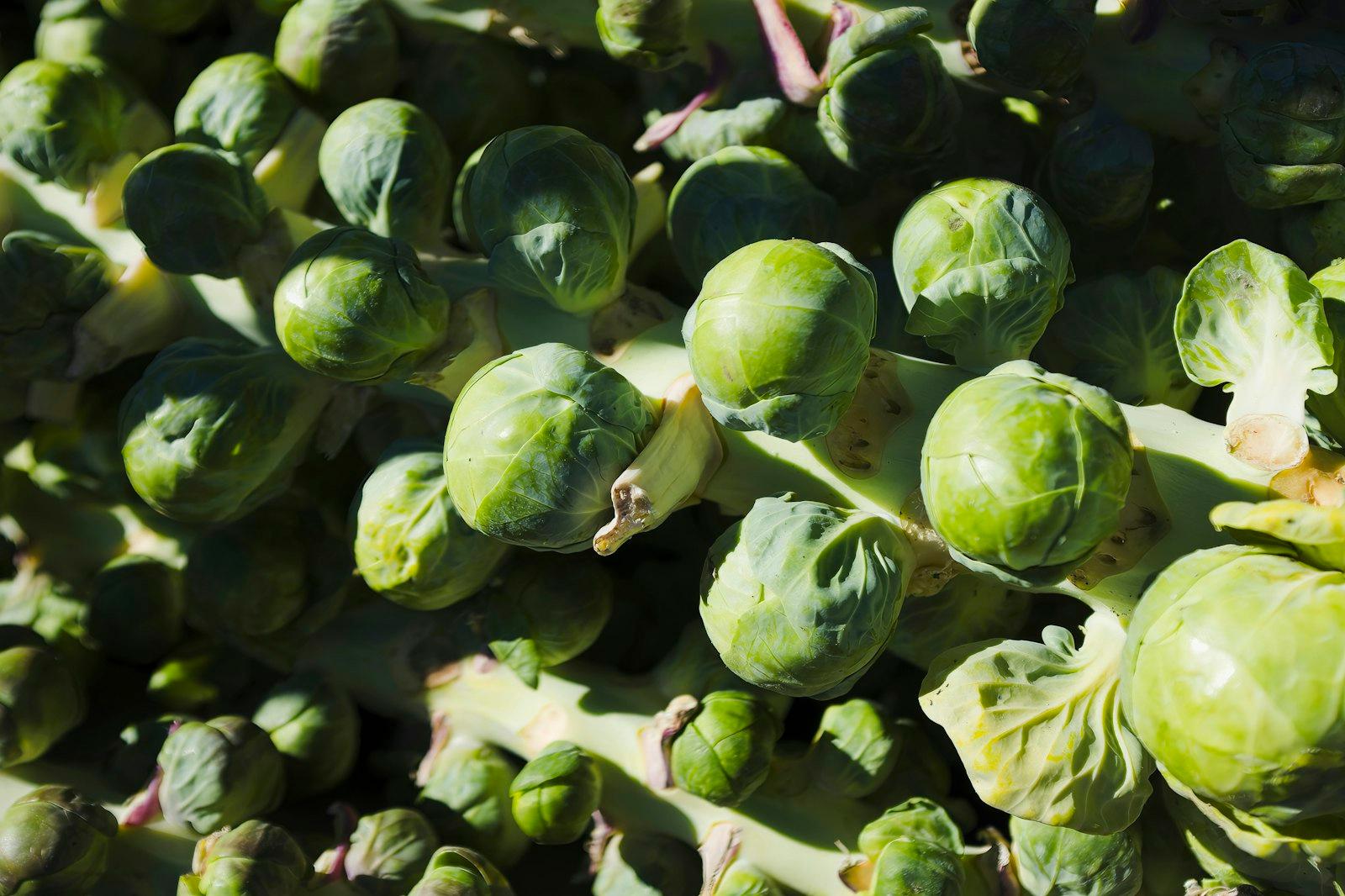
Sunday afternoons in Ixelles and Schaerbeek are starting to smell different. Across the capital, a growing number of families and commuters are carving out two to three hours each weekend to cook in bulk, roasting trays of vegetables, portioning grains, and stacking labelled containers in the fridge before the working week begins. Call it the domestication of the restaurant kitchen. Call it survival. Either way, meal prepping has moved from fitness-influencer hobby to genuine household strategy in Brussels.
The timing makes sense. Belgian households have absorbed successive food price shocks since 2022, and the rhythm of hybrid working, two days at home, three in the office, or the reverse, has scrambled the old logic of daily cooking. The OIVO consumer institute, based in Brussels, has tracked sustained pressure on grocery budgets, with many families reporting they spend more on food now than they did three years ago while simultaneously throwing more of it away. Meal prep directly attacks both problems: you buy with a plan, you cook with a plan, and the bin fills up less.
Where Brussels Families Are Finding Help
The city's food infrastructure has quietly adapted. At the Marché du Midi on the southern edge of the Pentagon district, vendors now openly market family-sized portions of root vegetables, legumes, and cheap protein cuts, precisely the raw materials of a prep-friendly kitchen. Saturday mornings there, a kilogram of dried chickpeas runs around €2.50, and seasonal courgettes sell for under €3 a kilo in July. Both can anchor four or five weekday meals when cooked in volume.
Shelter Kitchen, a social enterprise operating out of the Molenbeek neighbourhood, runs weekend cooking workshops that explicitly teach batch technique, knife skills for speed, how to build a base sauce that works across three dishes, and the specific containers that reheat safely. Their July programme includes a family-focused session priced at €25 per household, with sliding-scale places available. The organisation also distributes a free weekly prep planner in French and Dutch, downloadable from their site.
Färm, the Belgian organic supermarket chain with branches in Uccle and Etterbeek, has leaned into the trend by bundling prep-ready vegetable boxes every Friday, pre-washed, pre-chopped, and sorted by cooking time. A medium box covering roughly four weekday dinners for two adults costs approximately €28. It is not the cheapest option in the city, but for households where time is the binding constraint rather than money, the calculation often works.
The Practical Architecture of a Brussels Prep Session
Nutritionists working in the capital tend to recommend the same basic skeleton regardless of household size: one batch of whole grains (farro, brown rice, or pearl barley cook well in large volumes and keep refrigerated for five days), two protein sources (one animal, one plant), and a cooked vegetable base that can be repurposed. A pot of white beans with garlic and thyme becomes a soup on Monday, a grain bowl topping on Wednesday, and a side dish on Friday. The upfront time investment is roughly 90 minutes. The payoff is not having to decide what to eat at 7pm on a Thursday.
For workers commuting to the European Quarter or the NATO site in Evere, container logistics matter as much as the cooking itself. Leakproof glass containers, widely available at Rob The Whole Food Market in Woluwe-Saint-Lambert, survive the tram and metro commute better than plastic alternatives and reheat more evenly in office microwaves. A starter set of four 750ml containers runs around €35.
The single biggest barrier families in Brussels cite is not the cooking itself but the planning step that precedes it. Building a weekly template, Monday is always grain-based, Tuesday is always legumes, and so on, removes the decision fatigue and makes the Sunday prep session feel routine rather than ambitious. Start with two prep items in week one, not eight. Add complexity only once the habit is established. Consult a registered dietitian at a local health centre such as the CPAS Brussels clinics if you are managing specific dietary needs or conditions, the general principle of batch cooking applies across most eating patterns, but the specifics deserve professional input.