wellness
Brussels Experts Reveal Why 20-Minute Naps Boost Memory and Alertness
A growing body of research shows that short naps can improve alertness and memory, but timing and duration are everything. Here’s how Brussels experts say you should do it.
How we reported this
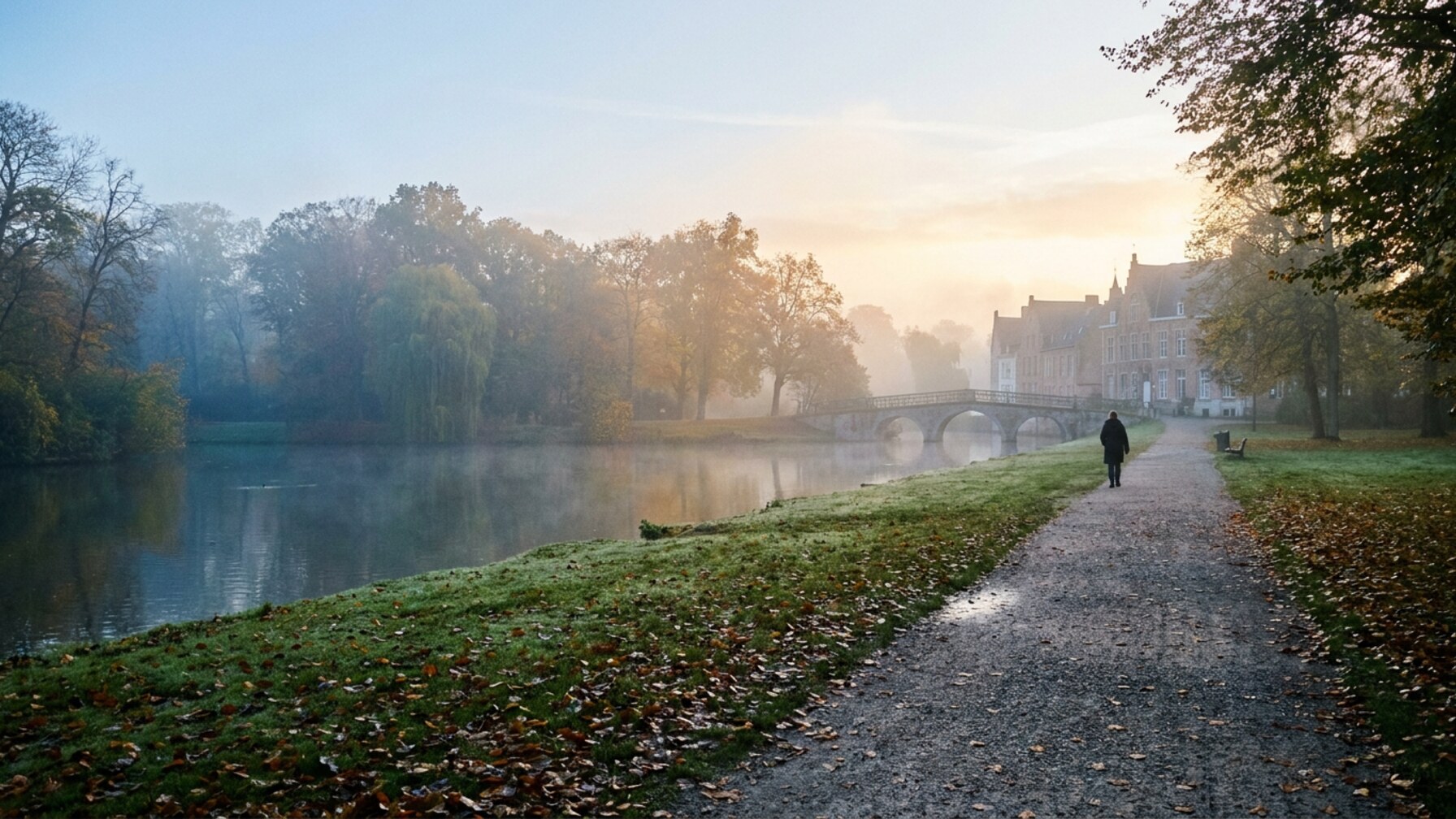
The nap paradox is real: a 20-minute power nap can sharpen your mind, but a 90-minute deep sleep in the middle of the day can leave you groggy and mess with your night-time rest. As interest in sleep health surges across Brussels, evidenced by sold-out workshops at the Parc du Cinquantenaire and a 40% rise in Google searches for ‘power nap techniques’ in the capital over the past year, local sleep specialists are urging residents to rethink their afternoon break.
The science of the midday snooze
According to a 2025 study from the Université libre de Bruxelles (ULB) sleep lab, naps lasting between 10 and 20 minutes offer the sweet spot: they boost cognitive performance by up to 34% without triggering sleep inertia, the disorienting fog that follows longer sleep. The lab’s researchers tested 120 volunteers with tasks measuring reaction time and memory recall. Those who napped for exactly 18 minutes in a quiet, dark room outperformed non-nappers by a significant margin.
The problem emerges when napping exceeds 30 minutes. At that point, the brain enters slow-wave sleep, the deepest stage. Waking during that phase can produce what sleep doctors call ‘sleep drunkenness’, impaired alertness that lasts up to an hour. Dr. Marie Leblanc, a sleep physician at the Cliniques universitaires Saint-Luc in Woluwe-Saint-Lambert, warns that Brussels’ busy professionals often fall into this trap. ‘I see patients who come in complaining of insomnia, and it turns out they’re taking 90-minute naps after lunch at their desk,’ she says. ‘They don’t realise that nap is stealing from their night.’
Where Brussels naps, and how to do it right
Brussels has seen a quiet nap revolution. Several co-working spaces in the city, including the Silversquare co-working hub on Rue des Minimes 12, now offer dedicated ‘nap pods’, soundproof capsules with timed lighting, for €5 per 20-minute session. The initiative launched in March 2026 and has already logged over 3,000 bookings. Across the city, the non-profit Brussels SleepWell offers free 15-minute guided relaxation sessions every Tuesday and Thursday at 1:30 p.m. in the Parc de Bruxelles, near the statue of Godefroid de Bouillon. Attendance has nearly doubled from last summer, reaching 240 people in June 2026 alone.
Yet not all Brussels neighbourhoods embrace the nap equally. A survey of 500 residents conducted by the city’s public health office found that residents of Ixelles and Etterbeek are 3 times more likely to nap regularly than those in the EU Quarter, where the fast-paced lobbying culture often discourages any midday break. The survey, published in May 2026, also noted that 62% of regular nappers reported improved afternoon concentration, while only 12% said napping hurt their nighttime sleep, a figure that rose to 45% among those who napped longer than 45 minutes.
Practical advice for Brussels’ nap-curious
Brussels sleep experts recommend the following: set an alarm for 20 minutes, use an eye mask to block out light (especially important during summer months when the sun streams into apartments near Boulevard de la Woluwe and Place Flagey), and avoid napping after 4 p.m. to protect your night-time sleep cycle. If you’re in a public space, such as the newly shaded benches in Parc Tenbosch, consider earplugs to muffle the street noise.
For those who find it hard to nap at all, Dr. Leblanc suggests a non-sleep option: ‘Just lying still with your eyes closed for 10 minutes can lower cortisol and heart rate. It’s not a nap, but it still helps.’ The point is that Brussels’ wellness culture, which prizes cycling, yoga, and locally sourced food, is increasingly embracing the nap as a legitimate health tool, as long as it’s done smartly.