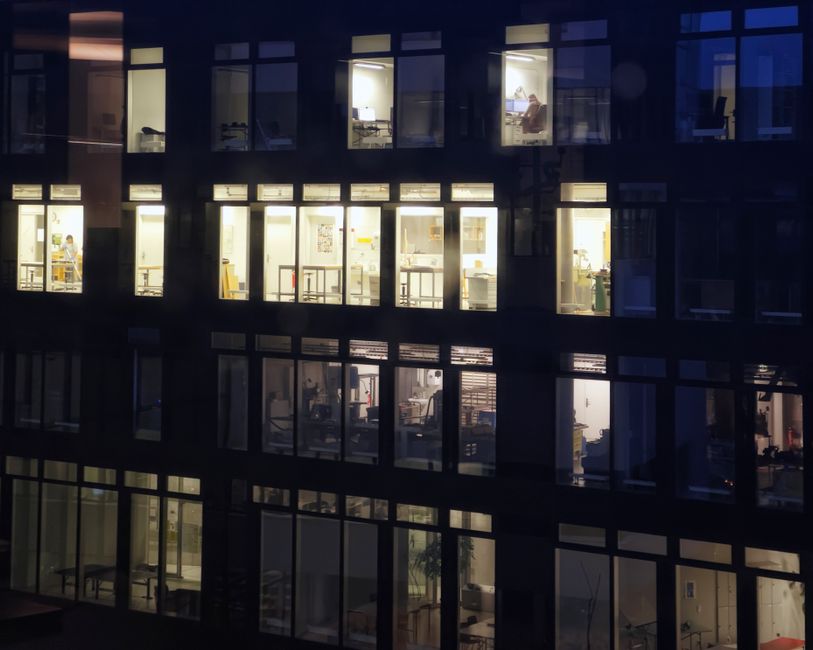
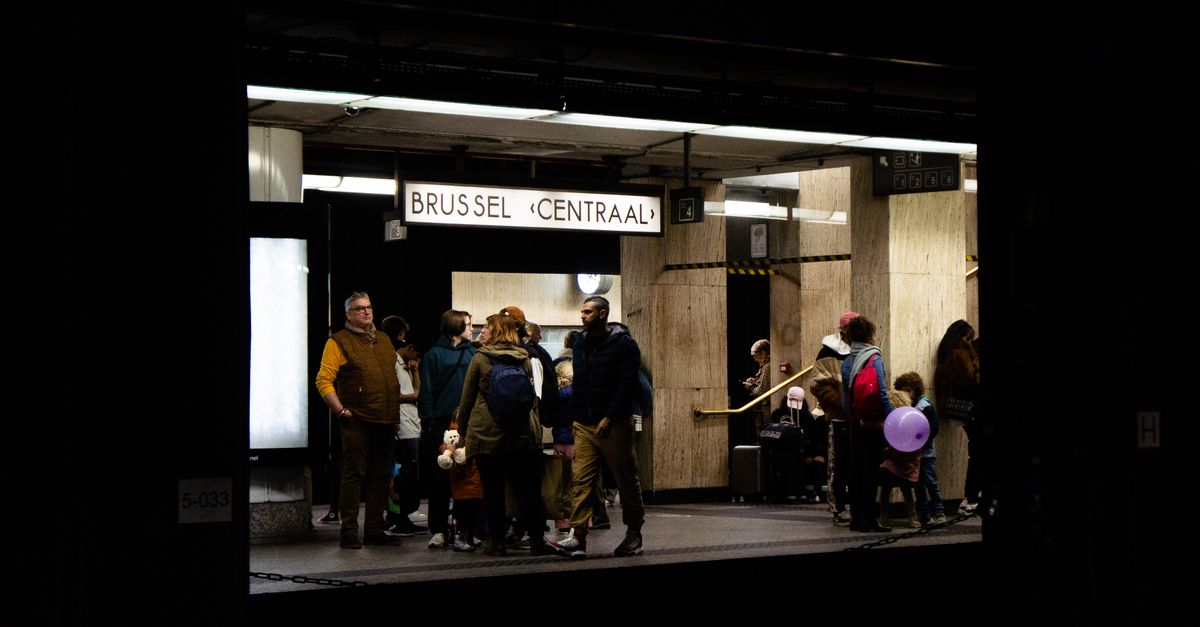
Office vacancy in Brussels dropped to 9.4 percent in the second quarter of 2026, the lowest figure recorded since before the pandemic, according to data compiled by Cushman & Wakefield's Brussels desk. The number signals a genuine tightening in a market that spent four years absorbing the shock of hybrid working — and it is arriving at a moment when several external pressures are converging on the Belgian capital simultaneously.
The timing matters. European institutions are expanding headcount again after two years of budget restraint, French and German companies are quietly stress-testing their Brussels footprint against political uncertainty at home, and the wider security anxiety across the continent — sharpened by the deteriorating situation in Ukraine and warnings from Warsaw about a critical period ahead — is nudging multinationals to keep their EU regulatory affairs teams physically close to the Commission and Council buildings on the Rue de la Loi. For commercial landlords and SMEs trying to plan a lease renewal or a first office hire, these forces are not abstract. They are showing up in asking rents and recruitment figures right now.
Property: The European Quarter Tightens, Ixelles Heats Up
Grade-A office space in the Leopold Quarter — the stretch running from Place du Luxembourg toward Schuman — is now commanding between €340 and €360 per square metre per year for prime floors, up roughly 7 percent on the same period in 2025. Buildings with strong energy performance certificates, mandatory under Belgium's updated regional ordinance that took full effect on 1 January 2026, are attracting a measurable premium of around €20 to €25 per square metre over comparable stock that has not been retrofitted.
The effect is spreading south. Along the Chaussée d'Ixelles and into the Flagey neighbourhood, smaller creative agencies and tech consultancies that were priced out of central Saint-Gilles eighteen months ago are now competing for the same refurbished loft conversions. Beci, the Brussels Enterprises Commerce and Industry chamber, logged a 14 percent rise in new business registrations across the Ixelles and Etterbeek communes in the first five months of 2026 compared with the same period last year. Retail vacancy on the Rue du Bailli, which had climbed above 15 percent during the post-pandemic slump, has fallen back toward 9 percent as food-and-beverage operators continue to absorb empty units.
On the residential side, average asking prices for apartments in Schaerbeek crossed €2,850 per square metre in June, according to Immoweb's monthly index — a suburb that was still trading below €2,400 as recently as mid-2024. The heatwave that killed more than 2,000 people across France last month is already sharpening buyer interest in properties with mechanical cooling or north-facing orientation, a shift estate agents in the Quartier Européen say they are hearing daily.
Jobs and Enterprise: What Businesses Should Act On Now
The labour market is stubborn. Brussels Actiris, the regional employment agency, reported an unemployment rate of 14.8 percent for the capital region in May — stubbornly higher than the Flemish figure of 3.7 percent — yet employers in logistics, healthcare support, and IT services are simultaneously reporting difficulty filling roles. The mismatch is structural and well-documented, but it has a practical implication for businesses signing leases or expansion plans in the second half of 2026: factor in recruitment timelines of at least three to four months for mid-skilled technical positions, and budget for salaries that have risen roughly 6 percent year-on-year after index-linked wage adjustments.
Companies with fewer than 50 employees should also check their eligibility under the Brussels Capital Region's 2026 SME Growth Subsidy programme, which reopened for applications on 1 June and provides grants of up to €30,000 for digitisation and energy efficiency investment. The deadline for the first tranche is 30 September. The programme is administered through hub.brussels, the regional agency on the Boulevard du Roi Albert II, and demand from the previous cycle meant the envelope was exhausted six weeks before the published closing date.
The practical upshot: businesses looking to lock in office space before the autumn parliamentary season drives up demand further should be negotiating heads of terms now, not in August. Those sitting on expiring leases in secondary locations face a real choice — upgrade to compliant green stock or absorb the energy surcharge. And anyone planning to hire should post vacancies in the next four weeks, before the summer slowdown compresses the candidate pool further.