Brussels’ technology sector added nearly 3,200 new roles in the first half of 2026, propelled by an aggressive pivot to artificial intelligence and automation across everything from finance to logistics. Avenue Louise recruiters report that IT recruitment has eclipsed traditional banking hires for the first time on record, redrawing the city’s talent map in real time.
The timing couldn’t be more critical. Brussels faces both the spillover from European Central Bank rate hikes—pressuring employers with higher borrowing costs—and a surge in cross-border competition, thanks to the relaxation of remote work rules within the EU. Talent that once spent careers in government or NGOs is now being courted with digital upskilling grants and six-figure salaries by corporate giants and nimble start-ups alike.
New Hubs, New Demands
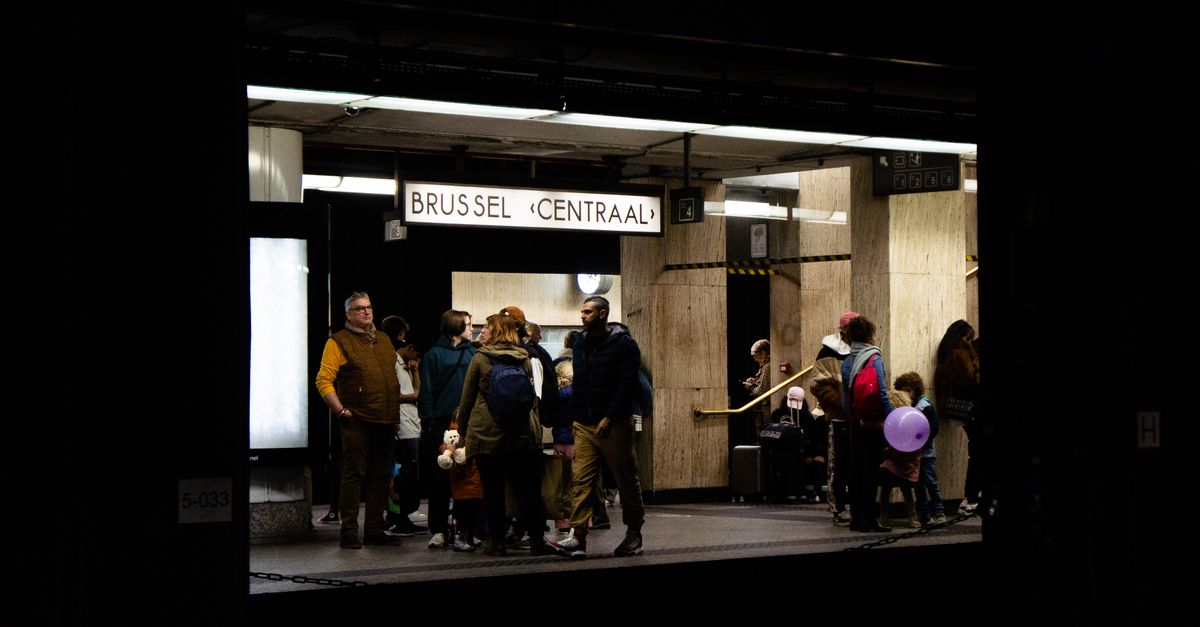
“Boulevard Saint-Lazare was quiet after dusk a year ago; now, co-working spaces there host job fairs late into the evening,” says an HR manager at BeCentral, the tech-campus in Gare Centrale. The hub recently announced partnerships with multinational firms such as Orange Belgium and public-sector outfits like Bruxelles Formation, fuelling its coding bootcamps aimed at mid-career professionals. Over in the European Quarter, Rue Belliard hosted a tech recruitment expo in June that drew candidates from Leuven, Ghent and beyond—evidence of the city’s intensifying appeal for digital nomads and AI specialists.
This realignment is not purely white-collar. The Port of Brussels reported that autonomous vehicle pilots and robotics-led warehousing have created 120 new roles since March, mostly for technicians and data engineers. Meanwhile, Interparking, which manages multi-storey car parks around Place Rogier, is hiring machine learning analysts to manage smart traffic simulations.
Data: Salaries, Skills and Upskilling Plans
A report from Brussels’ economic agency hub.brussels shows that tech-adjacent salaries rose 7.4% between June 2025 and June 2026. Entry-level AI engineers in the city now command upwards of €52,000 annually, with some posts in Quantum Communications—Brussels’ newest research spin-off cluster at Rue Royale—offering as much as €85,000 for experienced hires. This shift leaves non-digital sectors scrambling for workers, driving wage inflation on the city’s western peripheries. Real estate agency Immobel notes that apartment rents in Saint-Gilles have risen 9% since last summer as tech professionals relocate, outpacing the citywide average.
To address skill gaps as demand outpaces supply, the Brussels Regional Government has extended its "Digital Springboard" voucher programme, with €12.5 million earmarked for retraining courses in Python, data analytics and cloud security. Local universities—ULB and VUB—report a 19% increase in AI and computational science enrolments year-on-year, suggesting the pipeline is beginning to adapt, but warnings persist about bottlenecks in mid-career talent conversion, especially for French-only or Dutch-only speakers.
Looking Ahead: Adapting to Stay Ahead
Enterprises are already hedging bets. Several consultancies on Avenue des Arts are forming consortiums aimed at cross-training staff across languages and disciplines, in anticipation of tighter EU talent flows expected in 2027. For individuals, experts advise investing in digital literacy—as well as business French and English skills—before autumn’s next round of hiring. Belgium’s job market regulator, Actiris, estimates that 30% of new postings next quarter will request AI familiarity, double last year’s rate. With a swelling pipeline, high demand and incentives for reskilling, Brussels’ job market may never look the same again.