culture
Brussels Culture Guide July 2026: What Visitors Should Know and the Must-See Highlights
Summer heat hasn't stopped the Belgian capital's cultural engine—here's where to go and what to book before crowds arrive.
4 min read
culture
Summer heat hasn't stopped the Belgian capital's cultural engine—here's where to go and what to book before crowds arrive.
4 min read
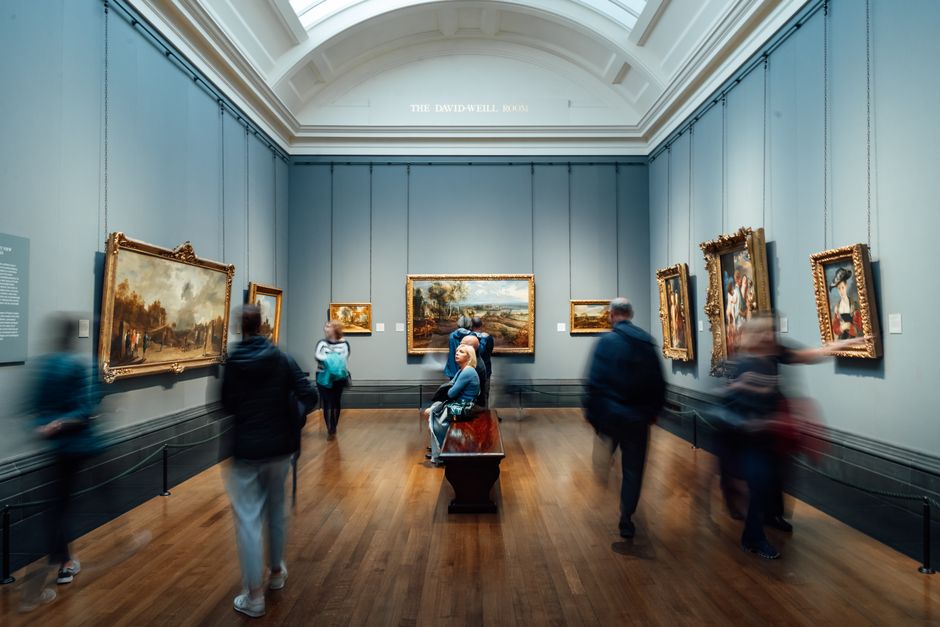
Brussels is sweltering through early July, but the city's museums, galleries, and outdoor venues are operating at full tilt despite temperatures that have made headlines across Western Europe. Visitors planning trips to the Belgian capital this month should know that advance booking is essential, crowds concentrate around the Grand Place and major attractions between 10am and 4pm, and several neighbourhoods offer quieter cultural alternatives to the tourist circuit.
The heat wave sweeping the region has shifted visitor patterns considerably. Hotels report heavier bookings for evening performances and morning museum visits, with attendance at outdoor venues dropping during midday hours. Galleries in the Sablon district have extended air-conditioning hours, and the Brussels-based tourism authority confirmed on July 2 that guided walking tours now depart at 7am and 6pm rather than afternoon slots.
The Royal Museums of Fine Arts, located on Rue de la Régence in the Sablon neighbourhood, hold the city's premier collection of Flemish painting and modern Belgian work across four connected buildings. Admission runs €13 for adults, and the museums stay open until 5pm on weekdays. The Musée Magritte, housed within the complex, draws crowds for its surrealist collection, so arrive before 10am to avoid queues lasting 40 minutes or longer.
For something less trafficked, the Musée de la Ville de Bruxelles on the Grand Place itself often goes overlooked by day-trippers focused on the square's architecture. The museum charges €10 and contains Brussels' civic history across three floors, with a particular strength in medieval tapestries and guild paintings. Staff report visitor numbers running at roughly 60 percent of summer capacity—low by Brussels standards.
The Atomium, that brutalist monument from the 1958 world's fair in the Laeken neighbourhood, remains a draw despite temperatures around 30 degrees Celsius. The venue operates from 10am to 8pm throughout July, with last entries at 7:15pm. Tickets cost €18 for standard entry; the observation deck in the top sphere provides views across Brussels and—on clear mornings—toward Antwerp to the north.
The Bozar (Centre for Fine Arts) on Rue Ravenstein hosts year-round programming that doesn't pause for summer weather. The venue confirmed on July 1 that its July schedule includes classical music recitals, experimental theatre pieces, and film screenings, with most performances starting after 7pm to avoid daytime heat. Single tickets range from €15 to €45 depending on the event.
Brussels' outdoor cinema season runs through August at Cinéma du Parc in the Parc de Bruxelles, near the Belgian Parliament. Film buffs can catch restored prints and recent releases nightly at sunset (currently around 9:15pm). Entry costs €8 per person, and the venue allows picnics. The park itself provides shade under mature plane trees and remains the quietest major green space in central Brussels during weekday mornings.
The Théâtre Royal de la Monnaie, Belgium's national opera house on Place de la Monnaie, runs a reduced summer schedule but performs Verdi's La Traviata twice weekly through late July. Seats start at €25 for upper balcony positions; online booking through the theatre's website often reveals availability when physical box office lines wrap around the building.
Practical advice for July visits: Book accommodation in the Ixelles or Saint-Gilles neighbourhoods rather than the city centre if budget allows—rates run 15 to 25 percent lower, and these areas have quieter museum spaces and café culture without the Grand Place crowds. Carry water (fountains dot most neighbourhoods), wear sunscreen, and check museum websites for extended hours or temporary closures before heading out. Most major venues accept card payments, though smaller galleries in the Sablon still operate on cash-preferred systems. The metro runs until midnight daily, making evening cultural visits feasible without worrying about transport home.
About this article
Published by The Daily Brussels
Spread the word
Daily brief
Free, in your inbox before 7am. Weekdays.