A Summer of Adaptation: The History and Evolution of This Local Scene
As the Brussels cultural calendar shifts to meet a hotter, more globalized reality, the city’s historic arts institutions are quietly rewriting their survival playbooks.
This article was generated by AI from the linked public sources. The Daily Brussels is independently owned and covers Brussels news free from advertiser or sponsor influence. It is provided for general information only and is not professional, legal, financial, or medical advice. Read our editorial standards →
Brussels is currently bracing for its busiest cultural month of the year, despite a record-breaking heat wave forcing the cancellation of major Independence Day celebrations across the Atlantic. While cities like Philadelphia and Washington, D.C. have scrubbed their firework displays this July 4, the Belgian capital is doubling down on its indoor programming, signaling a definitive shift in how the city manages its public life.
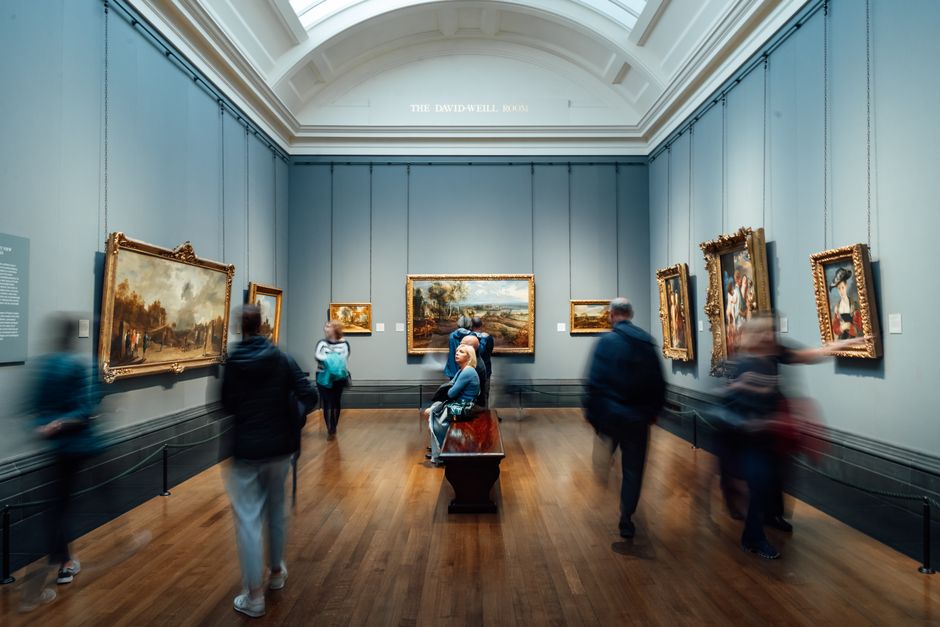
The evolution of the local scene is moving away from the sprawling, open-air festivals that defined the mid-2010s. Curators at institutions like BOZAR on Rue Ravenstein are increasingly favoring modular, climate-controlled environments that can withstand extreme temperature fluctuations. This is a departure from the traditional reliance on the city’s historic town squares, which have become increasingly difficult to regulate during the intense, dry summers of the mid-2020s.
Reframing the Urban Experience
The transition is most visible in the Saint-Gilles neighborhood, where independent galleries have begun coordinating late-night, air-conditioned circuits to draw crowds away from the sweltering midday sun. At the WIELS Contemporary Art Centre, the current retrospective on industrial Belgian design highlights how the city has historically repurposed its post-factory spaces. What were once dark, damp brick warehouses along the canal are now the preferred venues for tech-integrated multimedia exhibits that demand precise environmental controls.
Data from the Brussels-Capital Region’s tourism office confirms this pivot. During the July 2025 season, indoor museum attendance rose by 14 percent compared to the same period in 2020, while outdoor festival ticket sales dipped by roughly 9 percent. With ticket prices for premium indoor events averaging 28 euros—a sharp increase from the 18-euro average seen five years ago—the cost of participating in the city’s high-culture sector has clearly climbed. Budget constraints have also prompted local organizations like the Kunstenfestivaldesarts to emphasize long-form, immersive performances that keep audiences engaged for several hours in climate-managed theaters rather than moving between smaller, disparate locations.
A Blueprint for the Coming Months
For residents and visitors looking to navigate the city this weekend, the practical reality is a shift toward nocturnal activity. The Royal Museums of Fine Arts of Belgium has extended its evening hours until 10 p.m. every Friday throughout July to capitalize on the cooler night air. Many of the city's smaller venues in the Dansaert district are following suit, implementing a "siesta schedule" where shops and galleries close between 2 p.m. and 5 p.m. to avoid peak heat, reopening with late-night vernissages.
As July progresses, expect to see more "hybrid" events—part virtual, part physical—designed to minimize crowd density in the city’s narrower medieval streets. Whether you are checking out the permanent collection at the Magritte Museum or seeking a quiet performance at the Ancienne Belgique, the advice remains the same: book in advance, prioritize venues with modern ventilation systems, and look for events scheduled after the sun dips below the skyline of the Place Royale.
Covering culture in Brussels. This article was generated by AI from the linked sources and was not reviewed by a human editor before publishing. See our editorial standards.