Property
Uccle Remains a Blue-Chip Brussels Suburb That Still Offers Value
Despite soaring prices across Brussels, Uccle continues to deliver both prestige and unexpected opportunities for investors and families alike.
3 min read
Updated 23 h ago
Property
Despite soaring prices across Brussels, Uccle continues to deliver both prestige and unexpected opportunities for investors and families alike.
3 min read
Updated 23 h ago
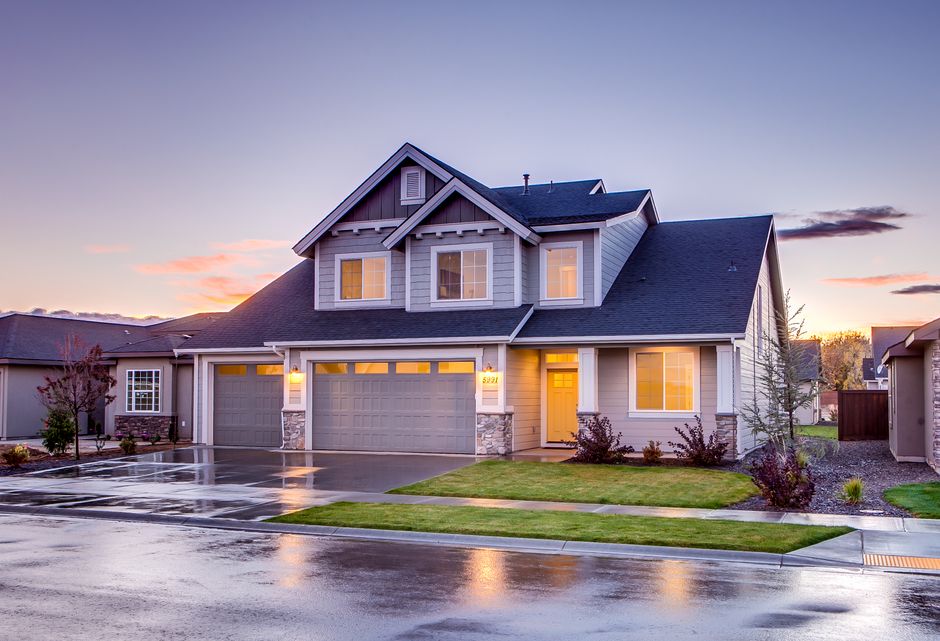
Uccle, one of Brussels’ most established and leafy residential quarters, is drawing renewed attention from both local and international property buyers in 2026, thanks to an unexpected pocket of value amid the city’s wider property surge.
With property prices in central Brussels hitting record highs this spring—average apartment values in Ixelles and Saint-Gilles surged past €5,600 per square metre according to Statbel’s May report—Uccle is now emerging as a paradox: a blue-chip suburb where buyers can still find family homes and investment properties at relatively attractive prices compared to its upmarket peers.
Uccle’s reputation is built on leafy boulevards like Avenue Winston Churchill and stately enclaves such as Prince d’Orange. The neighbourhood houses embassies, renowned international schools like Lycée Français Jean Monnet, and destination parks including Parc de Wolvendael. Even so, its property market is far from stagnant. According to local agency Latour & Petit, interest among downsizers and young professionals has doubled since 2024 as buyers seek larger spaces outside the more crowded city centre, spurred by both hybrid work trends and a succession of sweltering summers.
One striking example: a four-bedroom townhouse on Rue du Ham costs on average €970,000 this June, while similar-sized properties in adjacent Watermael-Boitsfort or even Etterbeek regularly top €1.3 million, agents say. New developments along Chaussée de Waterloo, such as the just-completed "Edge Uccle" apartments, are selling briskly, with one-bed units moving in under eight weeks at around €410,000—still notably below the €475,000 typically commanded in upmarket Etterbeek or Woluwe-Saint-Pierre.
Statbel’s most recent figures confirm the trend: while the average sale price in Uccle rose 4.9% year-on-year to €4,970/m² as of Q2 2026, this growth lags behind citywide increases seen in artsier Saint-Gilles (up 7.8%) and bustling Evere (6.5%). Local agents point to a relative "price ceiling" that’s keeping Uccle more accessible—at least for now. "You can still find classic 1950s villas in Quartier Fort Jaco or ground floor garden apartments on Avenue Montjoie at a discount of 10-15% compared to equivalent stock five metro stops closer to Central Station," confirms an analyst familiar with Real Estate Confederation data.
Rental yields in Uccle are also quietly appealing, averaging 3.7% for apartments compared with 2.9% in the convivial Châtelain district. Stable international demand, especially from diplomats assigned to nearby embassies or families linked to Brussels American School, underpins the market’s resilience.
For buyers, the practical advice is clear: don’t wait. Local inventory levels are tightening, with online listings for family homes down 15% in Uccle since January. Two-bedroom apartments below €350,000, while not common, are still occasionally surfacing near Place Saint-Job and the Uccle-Calevoet station. Investors looking for secure long-term returns may find their best bet in well-maintained character flats west of Avenue Hamoir, where renovation premiums are lower and rental demand from expat families remains robust.
With Brussels likely to see continued heatwave-related urban flight—more families seeking outdoor space and gardens in areas like Uccle—local agents expect prices and rents to remain under upward pressure. For now, Uccle remains a rare combination in Brussels: established, stable, and still offering value in a blue-chip postcode.
Property
Property
Property
Property
About this article
Published by The Daily Brussels
Spread the word
Daily brief
Free, in your inbox before 7am. Weekdays.