Property
Woluwe-Saint-Pierre: Brussels’ Blue-Chip Suburb Still Offers Real Value
Despite soaring prices in central Brussels, this leafy enclave combines prestige with growth potential—and families are taking note.
3 min read
Updated 23 h ago
Property
Despite soaring prices in central Brussels, this leafy enclave combines prestige with growth potential—and families are taking note.
3 min read
Updated 23 h ago
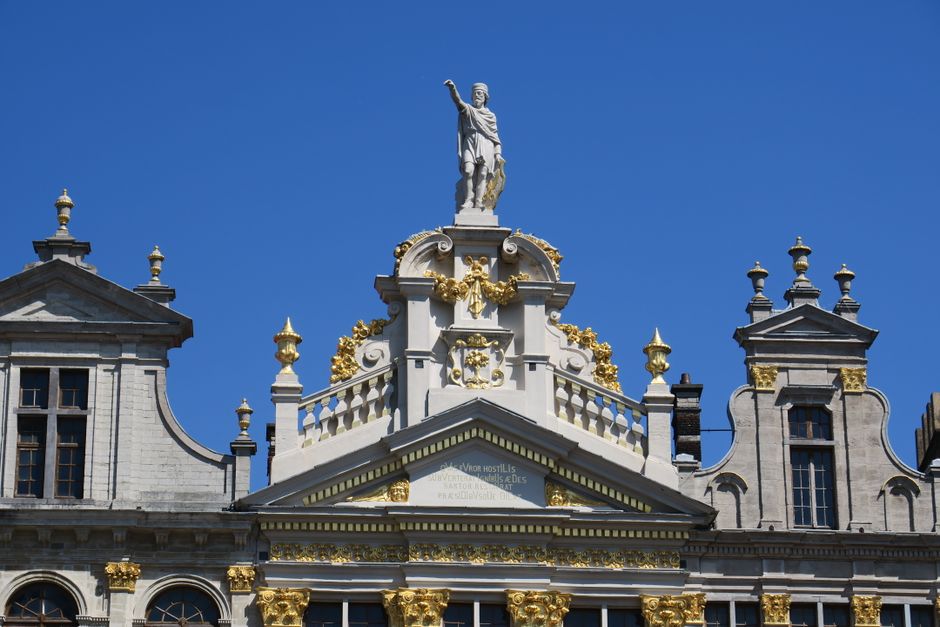
House-hunters searching for a secure investment in Brussels are turning their gaze east, where Woluwe-Saint-Pierre is holding its own as one of the city’s few 'blue-chip' suburbs that remains accessible for buyers. As prices in Ixelles and Uccle flirt with all-time highs, this diplomatic-friendly, villa-lined commune is quietly attracting both Belgian families and expat executives drawn by a rare pairing: stability and relative value.
The past two quarters saw central Brussels apartment values rise 9.3%, according to data from Immoweb. But not all parts of the capital have left value behind. Woluwe-Saint-Pierre—where leafy avenues like Avenue de Tervueren frame classical houses—offers a buffer against downtown volatility and climate extremes, both increasingly weighing on buyers’ minds as the city grapples with densification and another record-breaking summer.
High-performing schools and the cross-city tram lines add to the area’s family and commuter appeal. The Lycée français Jean Monnet on Avenue du Lycée Français continues to attract French and international families, while Parc de Woluwe stays a magnet for locals escaping the rising temperatures blanketing central Brussels. The commune’s population has increased nearly 7% over the past five years, bucking stagnation seen in some neighbouring districts.
Woluwe-Saint-Pierre’s housing market offers more than just leafy serenity. Data from the Brussels-Capital Region’s notaries shows the median house price here hit €825,000 in June 2026—a figure eye-watering by Belgian standards, but still 11% below equivalent four-bedroom villas in Uccle. Meanwhile, energy-efficient retrofits are driving additional interest: nearly 60 properties in the suburb signed up this spring for the region’s Brico Rénov programme, which offers grants of up to €35,000 for deep energy upgrades.
Local estate agencies such as Latour & Petit report brisk trade in three- and four-bedroom houses along Avenue Orban and Rue du Collège Saint-Michel. Semi-detached homes in move-in condition routinely fetch between €670,000 and €850,000—figures competitive with lesser-serviced areas further south.
Rental demand is also surging in the district, especially among EU officials and diplomats seeking proximity to the Montgomery Roundabout and the Schuman Quarter. Rental returns of 3.5-4% are not uncommon for family homes, according to Engel & Völkers Brussels East.
For those eyeing a long-term foothold in Brussels, property advisors suggest acting sooner rather than later in Woluwe-Saint-Pierre. While interest rates remain relatively high compared to pre-2022 levels, the supply of quality homes in the commune remains constrained. The Brussels-Capital Region forecasts only 120 new planning permissions in the area for 2026—a number far below projected demand.
Buyers are urged to act quickly when well-insulated houses come to market, especially those within walking distance of Parc de Woluwe or the new tram line 8 stops. For sellers, agents advise investing in sustainability upgrades through local initiatives such as Brico Rénov to stand out as temperatures and buyer scrutiny rise.
In a year defined by both record heat and fierce competition for space, Woluwe-Saint-Pierre is proving that blue-chip pedigree needn’t mean overpaying—or settling for less quality of life.
Property
Property
Property
Property
About this article
Published by The Daily Brussels
Spread the word
Daily brief
Free, in your inbox before 7am. Weekdays.