property
Brussels Property Prices 2026: Market Analysis
Explore Brussels property market trends in 2026. Average apartment prices, neighbourhood comparisons, and investment opportunities in EU capital neighbourhoods.
How we reported this
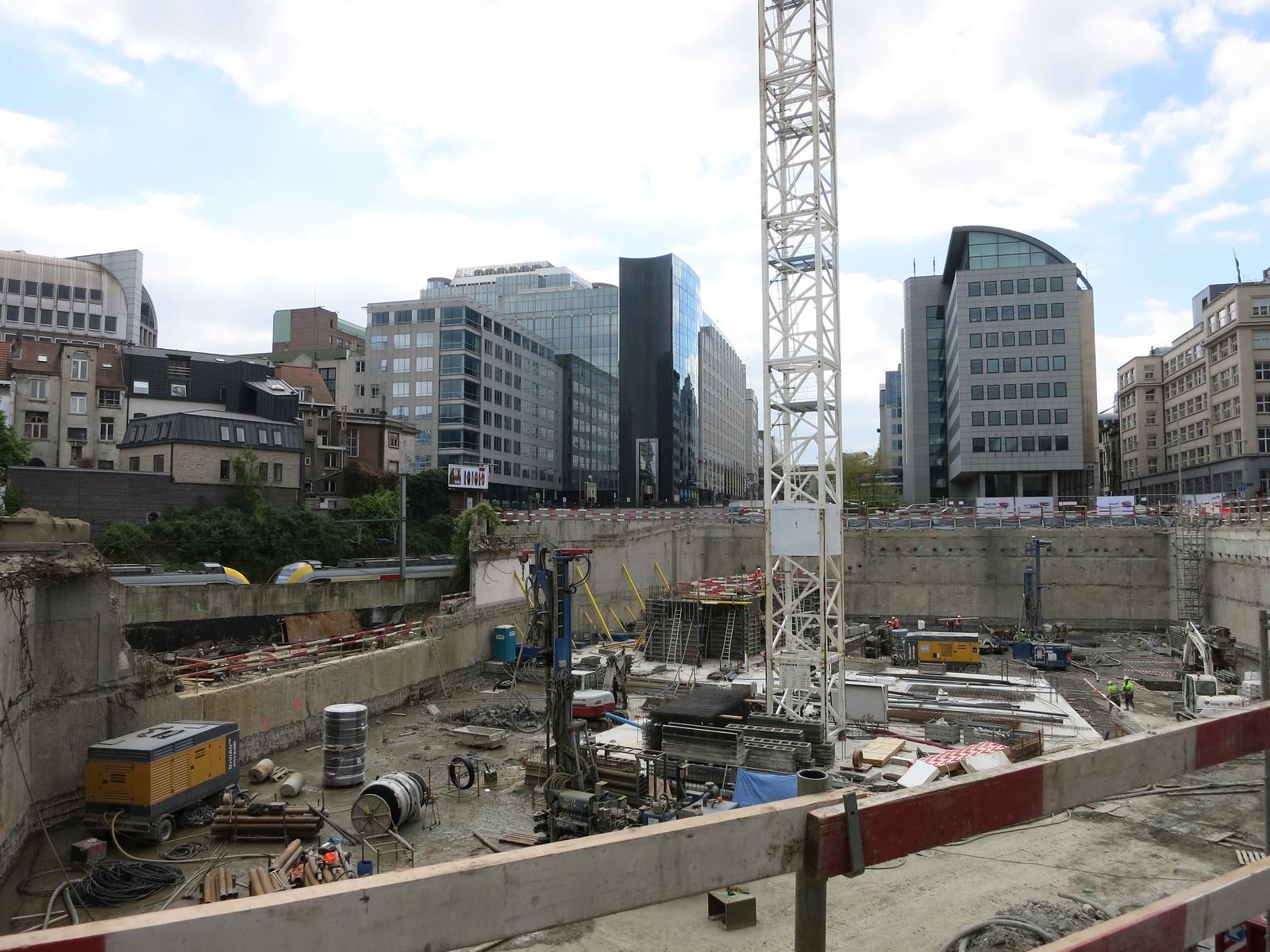
Brussels occupies a distinctive position in the European property landscape. As the administrative capital of the European Union and headquarters of NATO, it attracts a large, relatively affluent population of international civil servants and lobbyists whose housing needs underpin demand in the upper end of the market. At the same time, significant pockets of affordability remain in inner-city communes that are undergoing rapid transformation, creating opportunities for buyers and investors that have largely disappeared in comparable Western European capitals.
Average apartment prices across the Brussels Capital Region in early 2026 sit at approximately EUR 3,100 per square metre, a figure that masks significant variation. Ixelles and Etterbeek, favoured by EU staff and diplomats, average closer to EUR 4,200, while Molenbeek and Anderlecht, long-underinvested communes now benefiting from regeneration schemes and improved transport links, offer entry points below EUR 2,500. The city's 19-commune structure means buyers need to research local conditions carefully, as planning rules, taxes and neighbourhood trajectories vary considerably.
The rental market has tightened through 2025 and into 2026. Strong demand from the European institutions, several of which have expanded their headcounts following post-Brexit regulatory shifts, has pushed vacancy rates in the inner ring below 2 per cent for the first time in a decade. Average rents for a two-bedroom apartment in Ixelles or Saint-Gilles now range from EUR 1,300 to EUR 1,800 per month. Furnished apartments targeting the expat market command a further 15 to 20 per cent premium.
Belgium's relatively high transaction costs, registration fees of 12.5 per cent in the Brussels region for most purchases, mean the market favours buyers with a medium to long investment horizon. However, mortgage rates that have eased slightly from their 2023 highs, combined with a city whose political and economic importance appears structurally secure, continue to attract both domestic and international buyers looking for stability in an uncertain environment.
This article is general information only and is not personal financial or investment advice. Consider your own circumstances and seek licensed professional advice before making financial decisions.