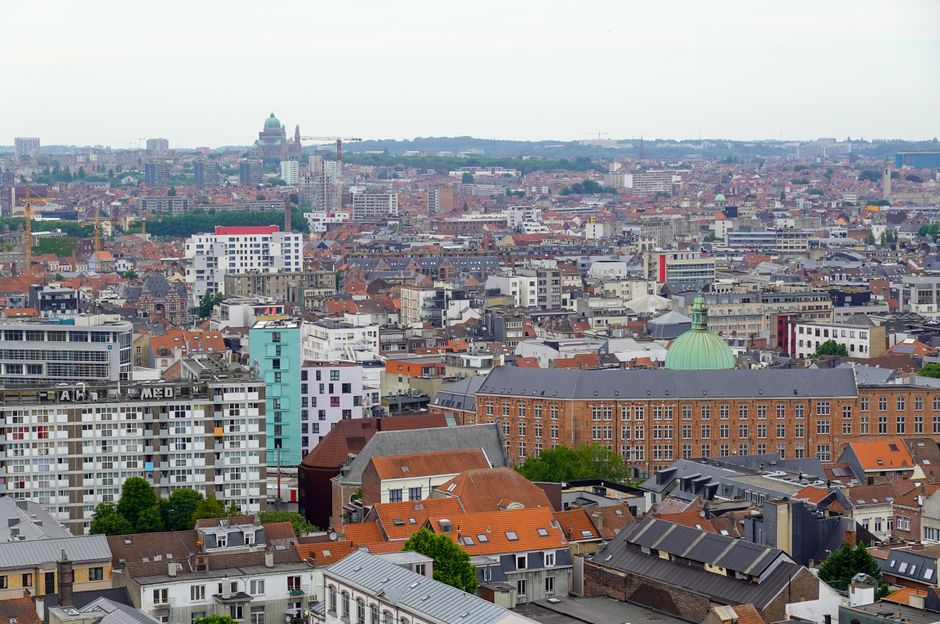
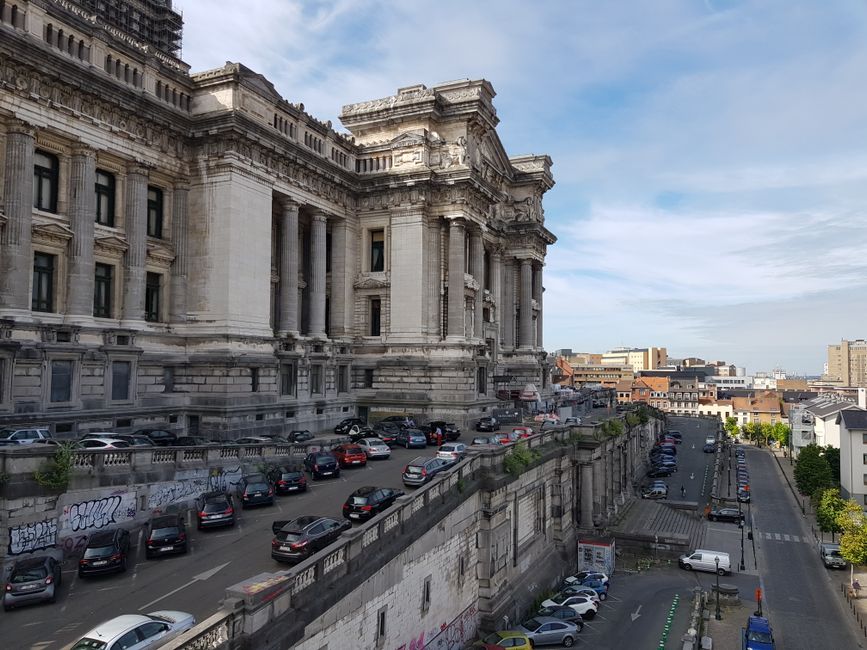
Residents in at least three Brussels communes have raised concerns this summer about a growing practice in urban planning documentation and neighbourhood regeneration projects: the substitution of authentic local photography with generic or duplicated stock images that bear little resemblance to the streets they are supposed to represent.
The complaints have surfaced most loudly in Molenbeek-Saint-Jean, Schaerbeek and the Marolles district, where local action groups say planning consultation documents, public-facing regeneration websites and digital neighbourhood maps have begun featuring images clearly recycled from other European cities or drawn from commercial image libraries. For residents already watching their streets change rapidly, the mismatch feels like more than a technical error.
One resident association in the Rue de Birmingham corridor in Molenbeek, where a multi-year urban contract programme funded partly through the Brussels Capital Region's Contrats de Quartier Durable scheme, said members noticed the problem after attending a public consultation session in May 2026. The presentation slides showed photographs of what was labelled a 'typical residential street' in the neighbourhood — a street that several attendees immediately identified as not being in Molenbeek at all. The association filed a formal observation with the communal administration, requesting that all visual documentation be reviewed for accuracy before the next consultation phase.
Why It Matters in a City Under Transformation
Brussels is mid-way through an unusually dense period of neighbourhood redevelopment. The 2024–2030 Contrats de Quartier Durable cycle covers dozens of intervention zones across the 19 communes, with combined public investment running into hundreds of millions of euros from regional, federal and European structural funds. When residents engage with consultation materials, they are often making decisions — signing petitions, approving planning notices, voting in participatory budgeting rounds — based on visual representations of what their streets will become, or what they currently are.
Urban planning researchers at the Université libre de Bruxelles have written in academic literature about the way imagery shapes public perception of regeneration projects, noting that visuals in planning documents carry significant persuasive weight even when residents treat them as neutral documentation. The concern raised in Molenbeek is not unique to Brussels: similar complaints have been logged in Lisbon's Mouraria quarter and in several Paris arrondissements undergoing Agence Nationale de la Rénovation Urbaine-backed works. But Brussels residents say the local stakes are high given how quickly some zones are changing.
In the Marolles, near the Place du Jeu de Balle, members of the Collectif Marolles Vivant — a longstanding neighbourhood advocacy group — say they spotted duplicate imagery being used across two separate planning dossiers relating to different streets in the quartier. The same rooftop photograph appeared in documentation for proposed works on both the Rue Haute and a separate dossier covering the Rue Blaes, despite the two streets having markedly different architectural profiles.
What Residents Are Asking For
The core demand emerging from affected communities is straightforward: original, geotagged photography taken on-site, with a date stamp, for every planning document put to public consultation. Several resident associations have also asked Brussels Urban Planning and Heritage — known by its French acronym urban.brussels — to publish a clear protocol for image sourcing in consultation materials. As of July 2026, no such protocol has been publicly adopted, though the agency's website does list general guidelines for participatory process standards.
The issue also has a digital dimension. Neighbourhood information portals maintained at the communal level — including those run by the Communes of Schaerbeek and Saint-Gilles — have been cited in resident complaints as hosting outdated or misattributed images of streets that have already been substantially altered by ongoing works, in some cases showing pre-demolition facades of buildings that no longer exist.
Residents are advised to cross-check all planning consultation imagery against the street-level mapping tools available through the Brussels Capital Region's geoportal, Urbis, which is updated on a rolling basis and provides dated aerial and street-view references. Formal observations can be submitted during any statutory public inquiry period, usually 30 days, through the relevant communal administration. The next round of Contrats de Quartier consultations in Schaerbeek is scheduled for autumn 2026.