Brussels regional authorities have begun a systematic sweep of duplicate images stored across the urban planning and heritage documentation systems maintained by urban.brussels, the directorate responsible for building permits and heritage protection across the 19 communes. The exercise, running since the start of the second quarter of 2026, targets redundant photographic files that have accumulated over more than a decade of digitisation drives — in some cases, the same facade photograph appearing as many as a dozen times in a single property dossier.
The timing matters. The capital's MyPermit platform, which allows residents to track permit applications and consult archived records for their properties, is due a major interface upgrade in September 2026. Before that rollout, administrators need clean, non-duplicated file structures, or the new system risks inheriting years of bureaucratic clutter. For anyone who has tried to pull planning history on a house in Ixelles or a commercial unit on the Chaussée de Charleroi, the practical stakes are real: duplicate records slow search times, obscure the chronological record of a building's modifications, and — in heritage cases — can trigger false alerts that delay permit decisions.
What This Means on the Ground in Brussels
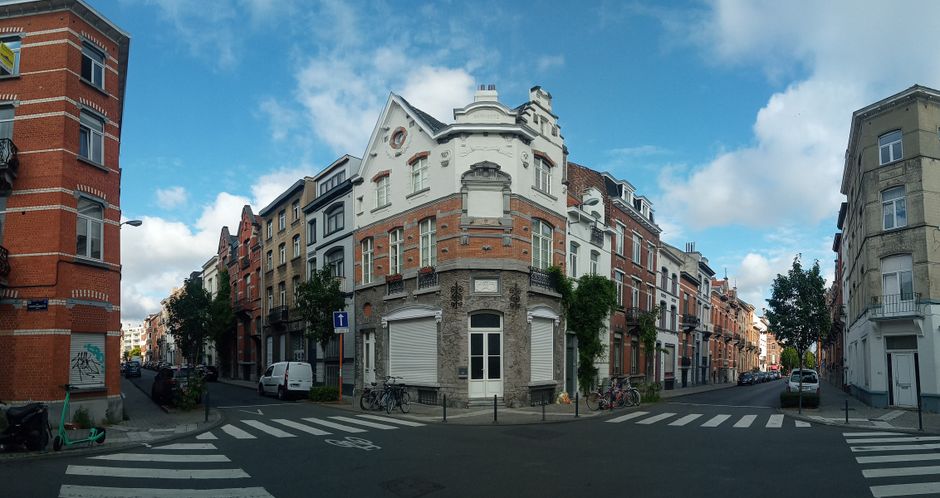
The problem is most visible in the older residential communes. Saint-Gilles, which has one of the highest concentrations of Art Nouveau buildings per square kilometre in Europe, has long been a stress-test for heritage documentation. A terraced house on the Rue Defacqz, for example, might carry photographic records stretching back to the commune's first digitisation push in the early 2010s, then refreshed during the 2016-2019 heritage inventory, then again during pandemic-era remote assessments in 2020 and 2021. Each wave added images without reliably retiring the old ones.
The Brussels Institute for Heritage and Monuments — known by its French acronym IEB — flagged this duplication issue in its 2024 annual report on digital accessibility. The consequence for ordinary residents is not trivial. When a homeowner in Molenbeek-Saint-Jean applies for a permit to renovate a listed facade, a caseworker must manually verify which images represent the authoritative current state of the building. Duplicate files make that verification slower and introduce the possibility of error. Delays of four to six weeks beyond the standard 60-day permit review window have been recorded in complex heritage cases, according to urban planning practitioners familiar with the process.
The Commune of Etterbeek has piloted an internal deduplication protocol since January 2026, working with urban.brussels to cross-reference approximately 14,000 property image files against a shared metadata index. Early results from that pilot informed the broader regional rollout now under way.
Data, Disruption and What Comes Next
The scale of the duplication is significant. Urban.brussels manages documentation for roughly 380,000 parcels across the Brussels-Capital Region. Internal assessments cited in the MyPermit upgrade technical brief — a public procurement document published on the Belgian e-procurement platform in March 2026 — estimated that between 18 and 22 percent of stored image files were redundant duplicates, representing several terabytes of unnecessarily replicated data.
The deduplication process is automated only in part. Algorithms flag likely duplicates based on file hash, geotag, and capture date, but a human reviewer must confirm deletion in any case where heritage classification applies. That manual check is what protects residents: no image that could constitute evidence of a building's historical state is removed without sign-off.
For residents, the practical advice is straightforward. If you have a permit application pending with urban.brussels or the heritage office at Place du Jeu de Balle, check your MyPermit dossier before the September upgrade goes live. Download any images or documents you need as reference copies. The current interface will remain accessible in read-only archive mode for 12 months after the new system launches, but navigating legacy records once the primary interface has changed tends to require more effort and sometimes a written request to the communal administration. The upgrade is an improvement. Getting there takes a moment of your attention now.