News
Brussels Launches Digital Audit to Eliminate Duplicate Urban Images
A quiet overhaul of the city's visual documentation systems is reshaping how planning decisions get made, and who gets heard in the process.
4 min read
Updated 7 h ago
News
A quiet overhaul of the city's visual documentation systems is reshaping how planning decisions get made, and who gets heard in the process.
4 min read
Updated 7 h ago
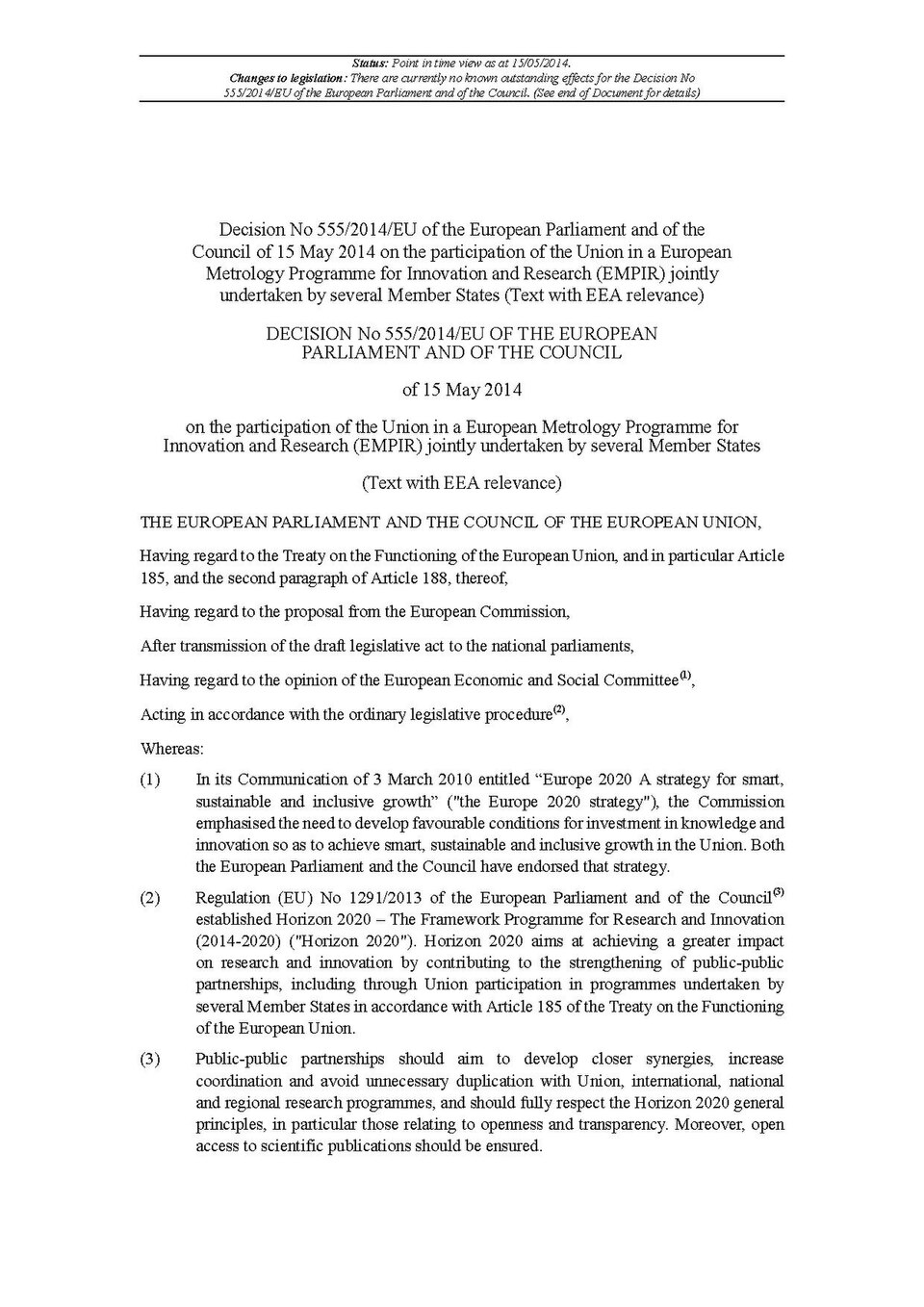
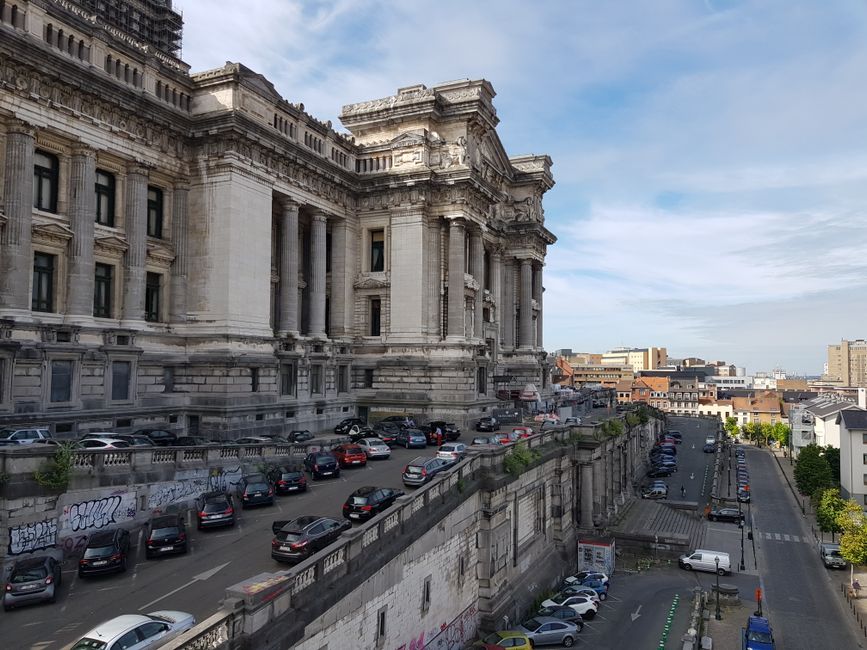
Brussels city administrators are working through a systematic review of the municipality's digital image archives, targeting thousands of duplicate and outdated photographs that have been clogging planning databases, public permit portals, and community consultation platforms since at least 2019. The audit, coordinated through Urban Brussels — the capital region's planning and heritage authority — is expected to clear more than 40,000 redundant image files from systems used by civil servants, architects, and residents filing objections to development applications.
The timing matters. Brussels is mid-cycle on its Good Move urban mobility plan, and dozens of neighbourhood-level projects are passing through permit review simultaneously. When duplicate images of street conditions or building facades sit in the same record, case officers have been known to base assessments on outdated visual evidence — sometimes photographs taken before major renovations or infrastructure changes. In dense areas such as Ixelles and Molenbeek, where permit volumes are among the highest in the capital region, that kind of error has downstream consequences for everyone from local shopkeepers to apartment tenants.
The problem is less abstract than it sounds. When Urban Brussels processes a heritage assessment for a property on, say, Rue de la Loi or within the protected perimeter around Place du Châtelain, caseworkers pull photographic records to establish the existing visual context. If two or three versions of the same facade photo — taken in different seasons, different years, sometimes before demolition of neighbouring buildings — all exist as separate records without clear timestamps or deduplication flags, the officer reviewing the file has to guess which one is current. Guessing introduces delay. Delay costs money, and in Brussels's constrained housing market, that matters to residents waiting months for renovation approvals.
The Brussels urban digital services unit has stated that permit-related processing times averaged 74 days in 2025 for mid-sized residential modifications — a figure the authority attributed partly to data quality issues in supporting documentation systems. Clearing duplicate visual records is one component of a broader effort to bring that figure closer to the 60-day statutory benchmark.
Community organisations working on social housing in the Laeken district and around the Canal Zone have flagged the image duplication issue in written submissions to the Brussels Capital Region. Organisations including Citydev.brussels, the public development agency responsible for affordable housing projects, have noted that inconsistent visual records slow the handover of completed units into the municipal register — sometimes by weeks.
For ordinary Brussels residents, the practical upshot is specific. Anyone who has submitted a permit application, a heritage objection, or a planning comment through the MyPermit.brussels portal in the past three years should check whether their supporting photographs were registered under a unique reference number. If the same image appears more than once in the portal's file viewer — a known interface issue flagged in Urban Brussels's own 2024 annual report — residents can request a file correction through the regional ombudsman office, located on Rue Louvain 48 in the Brussels city centre.
Urban Brussels is expected to complete the first phase of the deduplication audit by the end of September 2026, with a public summary report due in October. The second phase, covering archive photographs linked to the region's listed building register — which includes more than 8,500 protected structures across Brussels's 19 communes — is scheduled to run through the first quarter of 2027.
For community groups tracking urban change in neighbourhoods like Saint-Gilles or Etterbeek, where gentrification pressures make permit transparency particularly sensitive, cleaner visual records mean cleaner paper trails. That is not a minor bureaucratic detail. It is the difference between a community objection grounded in verifiable visual evidence and one that can be dismissed on technical grounds. Brussels's planning system is only as accountable as the data underneath it.
News
News
News

News
About this article
Published by The Daily Brussels
Spread the word
Daily brief
Free, in your inbox before 7am. Weekdays.