Brussels's urban administration is sitting on a digital mess of its own making. Across at least a dozen municipal departments — from urban planning offices in the Pentagone district to the communications directorate at the Hôtel de Ville on the Grand-Place — thousands of duplicate photographs of the same streets, construction sites, and public events have accumulated in overlapping archives, with no single authority responsible for cleaning them up.
The problem matters now because Brussels is midway through a broader digitisation push under the Smart City Brussels initiative, a programme the Brussels-Capital Region launched to modernise public services and improve data interoperability across its 19 communes by 2027. Duplicate image files are not merely an aesthetic nuisance. They inflate storage costs, slow database queries, and — critically — create legal uncertainty when licensing the same photograph appears under different metadata across different systems.
A Fragmented Archive Built Over Two Decades
The root cause goes back to roughly 2004, when individual Brussels communes began digitising their photographic records independently, with no shared standard for file naming, metadata tagging, or rights management. The commune of Ixelles adopted one system; Saint-Gilles adopted another. Urban Brussels, the regional agency overseeing planning and heritage, developed its own repository entirely separate from the systems used by visit.brussels, the regional tourism body based on the Rue Royale.
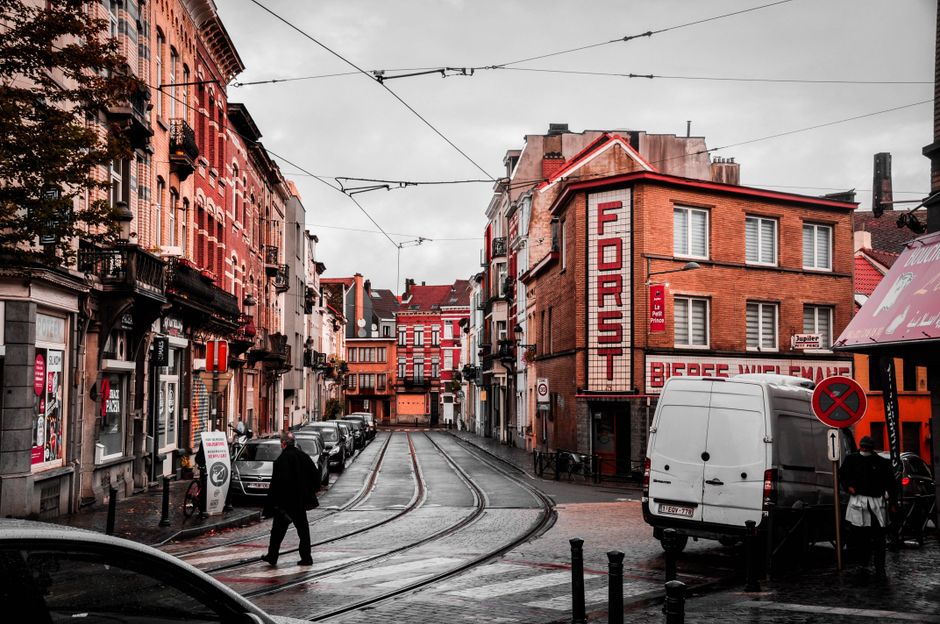
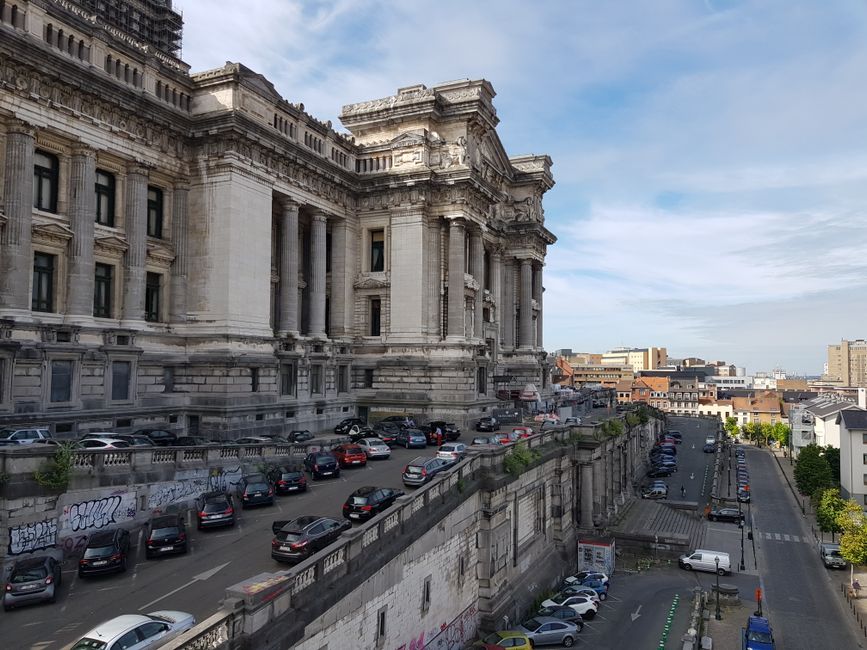
Each time a new public works project broke ground — the extension of the North-South rail junction, the renovation of the Place du Châtelain market square, the tram works along the Avenue Louise — multiple departments photographed the same locations and uploaded the results to different servers. Contractors submitted documentation images to planning offices. Communications staff took their own shots for press releases. Archivists filed a third set for heritage records. Nobody crosschecked.
A regional audit completed in March 2025 found that urban.brussels alone held more than 47,000 image files flagged as probable duplicates out of a total archive of roughly 210,000 photographs — meaning nearly one in four images was a redundant copy of something already stored elsewhere in the system. The audit, conducted by the regional digital agency Bruxelles Numérique, estimated that resolving the duplication across all regional bodies would free approximately 2.3 terabytes of primary storage and reduce annual cloud-hosting costs by an estimated 18 percent.
What Happens Next
Bruxelles Numérique has been tasked with rolling out a unified Digital Asset Management platform across participating regional bodies by the end of the first quarter of 2027. The system — built around a centralised metadata standard already piloted by the Brussels Environment agency on its nature photography archive — is designed to flag duplicate image hashes automatically before upload, preventing the problem from compounding further.
The 19 communes, however, are not formally obligated to join. Participation by individual commune administrations depends on bilateral agreements, and as of July 2026, fewer than half have signed on. The communes of Molenbeek-Saint-Jean and Etterbeek are among those that have agreed to migrate their photographic records into the shared system by mid-2026, according to the regional programme schedule published in January. Several others, including Woluwe-Saint-Pierre, have not yet committed.
For residents and journalists who regularly request public images under Belgium's transparency law — the Loi du 5 août 2006 relative à l'accès aux documents administratifs — the practical effect of the duplicate problem has been delays and inconsistent results. A photograph of the Gare du Midi forecourt requested from one department may arrive with one set of copyright terms; the identical image from another department may arrive with different ones.
The fix, when it comes, will be largely invisible to the public. But city archivists and the communications staff who field hundreds of image requests each year will notice immediately. The question is whether 2027 holds as a target date — or whether Brussels's famously complicated inter-institutional politics push that deadline further down the road.