Thousands of duplicate photographs have accumulated inside Brussels' publicly funded urban and heritage databases, creating a bottleneck that delays planning decisions, muddies historical records, and costs city administrators time they don't have. The problem, long dismissed as a technical inconvenience, is now drawing attention from community organisations in Ixelles, Molenbeek and the Pentagone district who depend on accurate visual documentation for everything from neighbourhood renovation grants to legal disputes with developers.
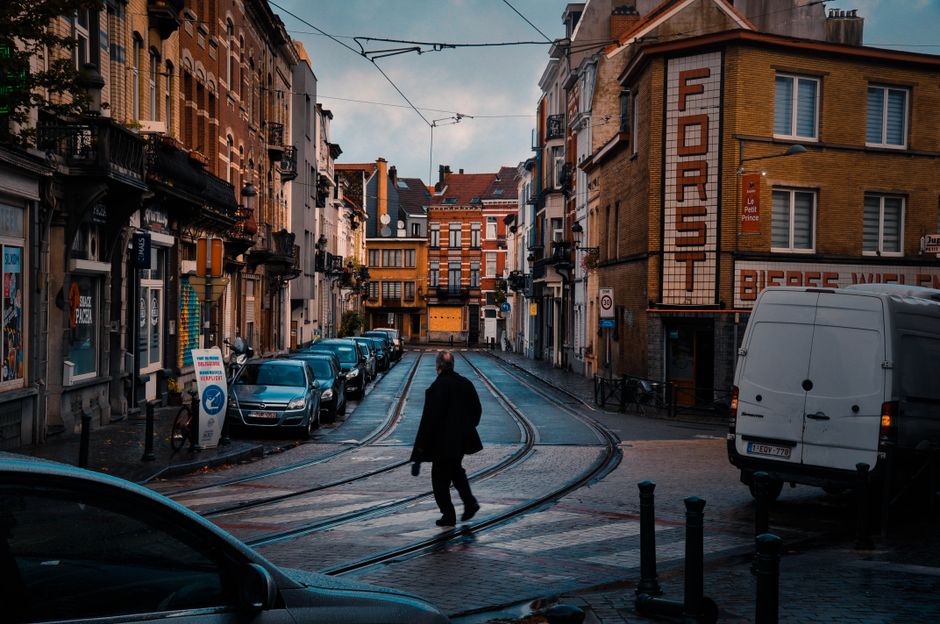
The issue surfaced more visibly this spring when Urban.Brussels, the regional planning authority, began a digitisation push tied to the broader Good Move mobility plan. As archivists and urban planners pulled together street-level photography and heritage imagery, they found that multiple versions of the same image — shot on different dates, uploaded under different file names — had been indexed as separate records. In some cases, a single façade on the Chaussée d'Ixelles appeared under four or five distinct entries, each with conflicting metadata about the building's condition or protected status.
Why Duplicate Images Create Real-World Problems for Residents
This is not merely a storage nuisance. When a resident in Saint-Gilles applies for a renovation permit for a listed building, planners cross-reference the public image archive to verify the property's current and historical state. Duplicate entries with mismatched dates can show an apparently altered façade where none exists, triggering additional inspections and adding weeks to a process that already averages several months under Brussels Environment's permit review schedule. For small property owners, those delays translate directly into contractor costs and lost rental income.
Community associations in the Quartier Dansaert area have flagged a related problem: grant applications submitted to the Fonds du Logement de la Région de Bruxelles-Capitale require photographic evidence of a property's condition. When the regional archive contains contradictory duplicate images, caseworkers have reportedly asked applicants to resubmit documentation, restarting the clock on applications that were already months in the queue. The Fonds du Logement administers housing loans and renovation subsidies to lower-income Brussels households — delays in that pipeline have concrete social consequences.
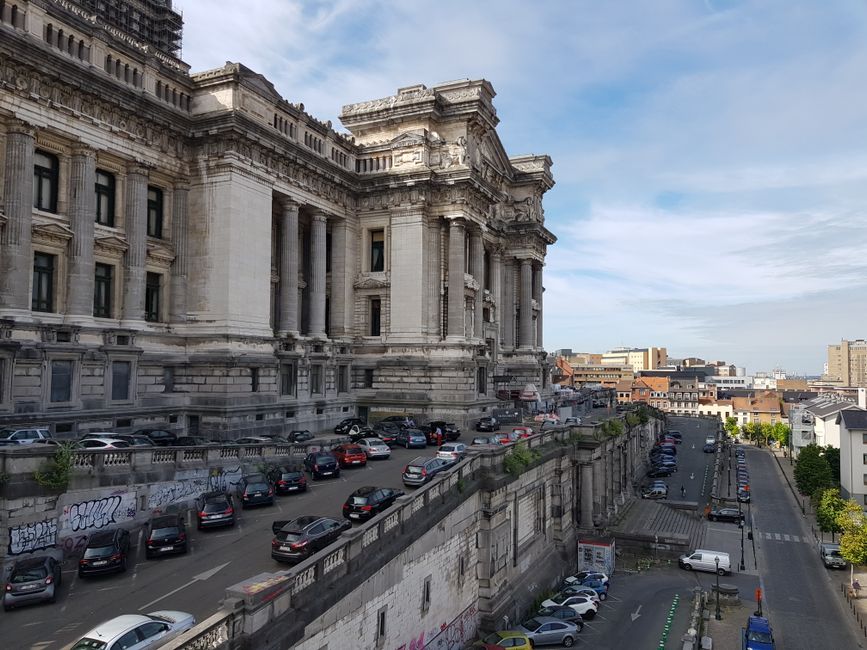
Heritage records managed through the Inventaire du Patrimoine Architectural, which documents thousands of Brussels buildings, are also affected. Duplicate image entries have caused some entries to show buildings at inconsistent stages of deterioration, complicating restoration assessments in the Marolles neighbourhood, where several privately owned Art Nouveau properties are currently under review for enhanced protection status.
The Scale of the Problem — and What Comes Next
Precise figures are hard to nail down, but a 2025 audit commissioned by the Brussels-Capital Region's digital services directorate found that duplicate or near-duplicate files accounted for roughly 18 percent of assets in one major public image repository — a proportion that specialists in public sector data management describe as significantly above acceptable thresholds for operational archives. The audit recommended automated deduplication tooling be deployed before the end of Q1 2026. That deadline has passed without a publicly announced rollout.
The cost of inaction adds up. Each manual review of a flagged duplicate by an Urban.Brussels archivist takes between 15 and 45 minutes, depending on how deeply the metadata has diverged. Across a database that runs to hundreds of thousands of records, the cumulative administrative burden is substantial.
For residents navigating the system right now, the most practical step is to submit original, time-stamped photographs with any planning or grant application rather than relying on the regional archive as a sole source of visual evidence. Several architecture firms operating near the Place du Châtelain have already adopted this as standard practice when advising clients. Community groups in Molenbeek working with the Régie Foncière de la Commune can also request a written confirmation of which image record a caseworker is using before a decision is issued — a procedural right that exists but is rarely exercised.
Urban.Brussels has not set a revised public deadline for resolving the duplication problem. Until it does, the residents most reliant on the capital's heritage and planning systems — those seeking affordable housing support, protecting listed buildings, or simply trying to renovate a terrace on the Rue Haute — will keep absorbing the friction that bad data creates.