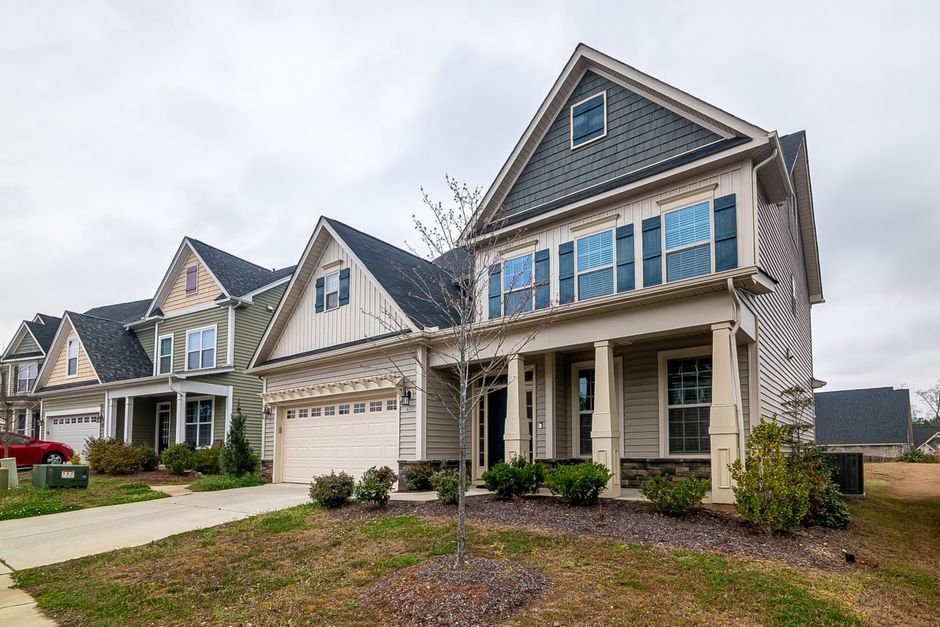
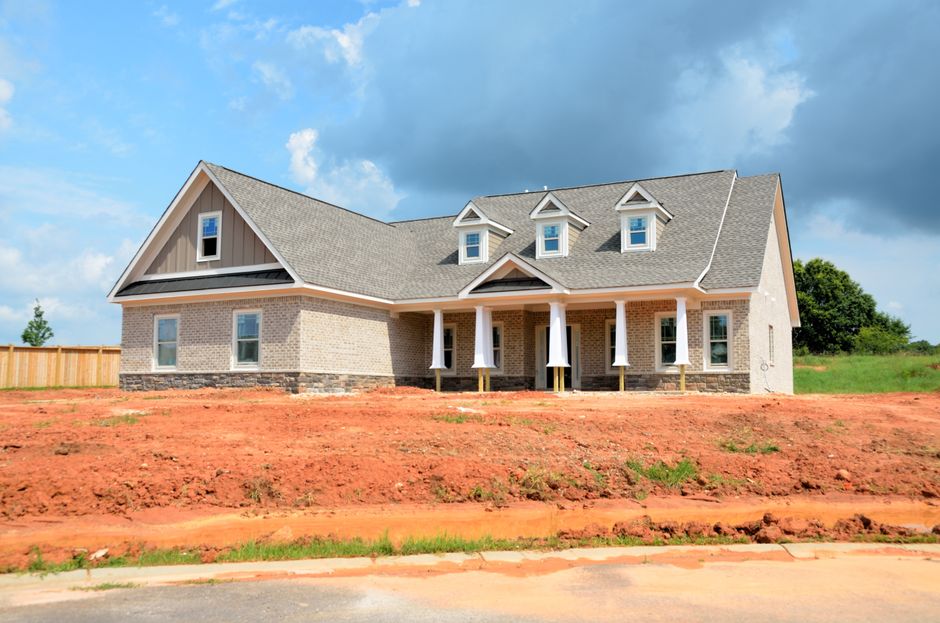
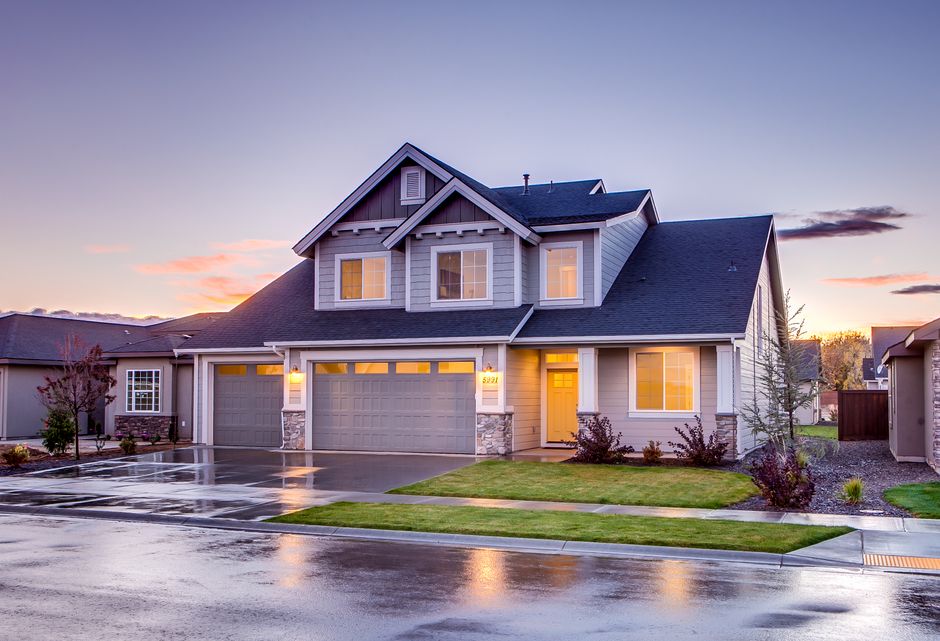
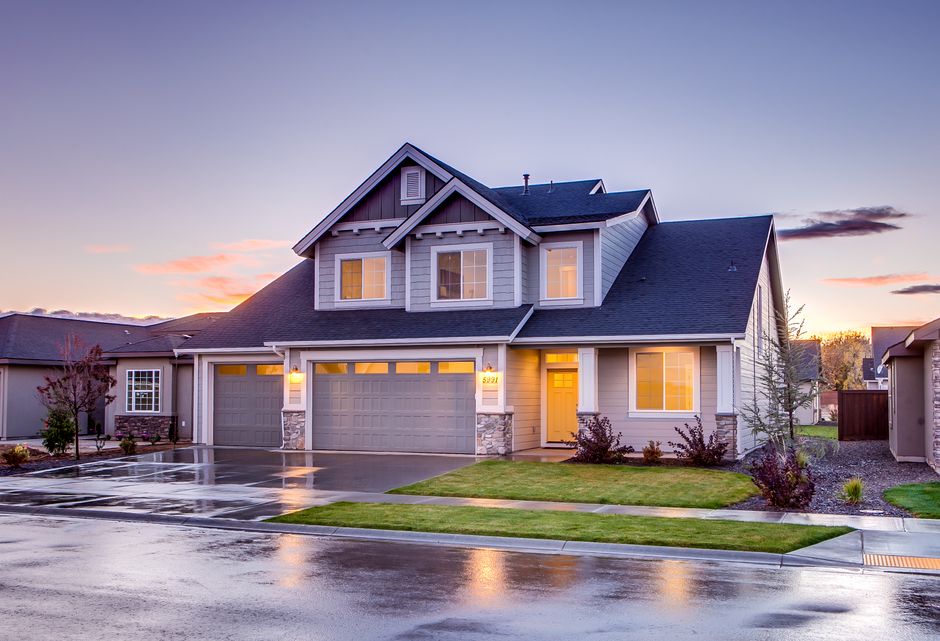
Everberg, once known for its almost exclusively residential streets and modest postwar homes, has overtaken its more prestigious neighbours in both price growth and transaction volume this year, according to new figures released by the Brussels Property Observatory. Median prices in Everberg climbed 10.8% over the past twelve months—twice the average increase seen in nearby Kraainem and well ahead of the more expensive Tervuren, which posted a 3.2% rise.
Proximity, Improvements and the Value-for-Money Equation
This surge comes as Brussels locals and incoming international staff fan out from the city centre in search of better value. Tightening mortgage rules across Belgian banks have pushed out some buyers from the likes of Woluwe-Saint-Pierre, turning the spotlight on affordable fringes like Everberg. The suburb borders the Flemish Brabant region and enjoys unusually fast access to the Brussels Ring (R0) via Leuvensesteenweg, making it a favourite shortcut for daily commuters. This year, an estimated 37% of Everberg buyers registered a work address in the EU Quarter or the NATO area, latest notary filings show.
A spate of government-backed improvements, including the €3.5 million renovation of the De Beek Community Centre and the soon-to-be-finished cycle path linking Everberg to Sint-Stevens-Woluwe, has added to the area’s draw. The community has also campaigned successfully for a direct bus line to the Zaventem business district, an initiative spearheaded by the Everberg Residents Association since March. Locals frequently cite the ample green space around Park van Everberg and the nearby Kasteel van Arenberg in Kortenberg as key plus points over denser communes, especially for families escaping the triple-digit price rises seen further south in parts of Uccle and Watermael-Boitsfort.
The numbers tell the story. In the first half of 2026, Everberg saw 144 residential sales—a record, and nearly double the volume in adjacent Wezembeek-Oppem (83 sales). Average house prices in Everberg now sit at €385,000 for a standard 3-bedroom home, still at least €60,000 below the median in Tervuren, where buyers can expect to pay upwards of €445,000 for comparable property. Meanwhile, asking rents in Everberg stand at €1,220 per month, growth of more than 7% year-on-year—a sharp contrast with the relative stagnation seen across central Brussels. With the Office of the Commissioner General for Refugees forecasting another 6,500 EU civil servants relocating in the autumn, competition for family homes is only expected to sharpen.
Future Moves and Buyer Advice
For buyers, the question is how long the window stays open. Local notaries and agents report a steady influx of sealed bids, with homes along Baron de Spittaellaan and the leafy edges of Parklaan moving within three weeks of listing. Infrastructure spending is set to continue into next year, as the Flemish Region approves a budget to overhaul local school capacity—one of the suburb’s prior weak points. Prospective buyers eyeing the area should be quick to arrange financing, as Everberg’s price gap with neighbouring zones is expected to narrow further as fresh inventory comes online this autumn, notably around the Broekstraat redevelopment zone. For now, this formerly overlooked pocket at Brussels’ edge is the city’s standout performer in a market where surprises have been scarce.