Property
Why Woluwe-Saint-Lambert Still Delivers Value—Despite Its Blue-Chip Status
Strategic location, family amenities and surprisingly moderate prices keep this leafy Brussels favourite in investor sights.
3 min read
Property
Strategic location, family amenities and surprisingly moderate prices keep this leafy Brussels favourite in investor sights.
3 min read
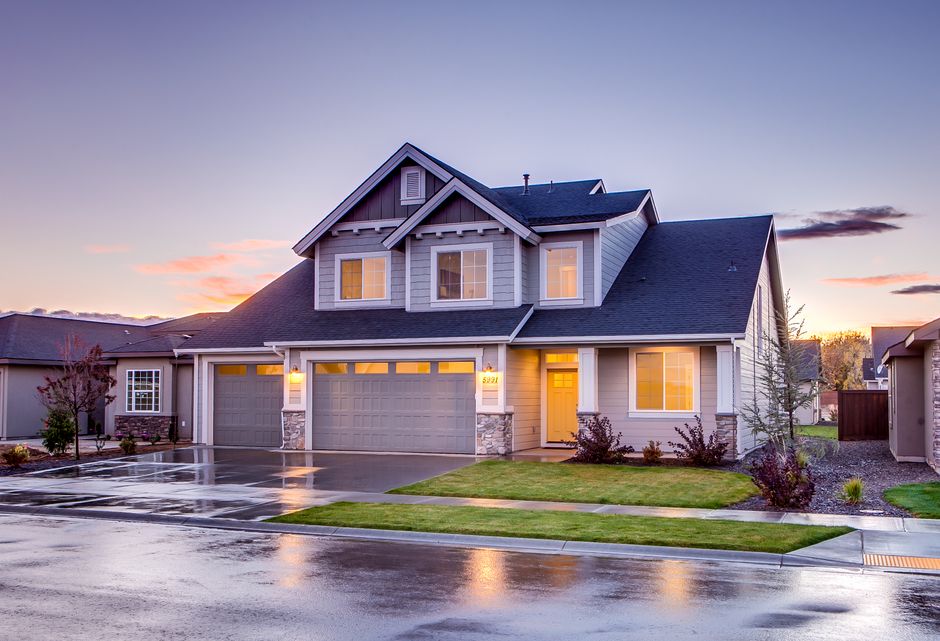
One of Brussels’ most established and sought-after neighbourhoods, Woluwe-Saint-Lambert, is holding tight to its blue-chip status—while still providing relative value among the capital’s premium addresses.
This matters at a time when prime property across the Brussels-Capital Region is becoming increasingly inaccessible for both investors and families seeking long-term stability. Rising global risk, persistent inflation, and continued migration into the city are collectively fuelling price pressure. Yet, as sticker shock hits Uccle, Ixelles, and the Sablon, Woluwe-Saint-Lambert quietly offers a reassuring combination: leafy streets, respected schools, and price tags that undercut nearby ‘top table’ suburbs.
Long associated with diplomatic residences and established Belgian families, Woluwe-Saint-Lambert sits comfortably east of the city centre, bracketed by the Parc de Roodebeek and the Woluwe Shopping Center. Its high streets—such as Avenue Georges Henri and Avenue Paul Hymans—teem with independent bakeries, greengrocers, and family-run cafes. The area is also home to reputable institutions like Collège Don Bosco and the European School Brussels II, adding to its cross-border draw.
For an area so close to workplace magnets—the NATO headquarters, the European Commission at Schuman, and a cluster of international firms near Parc du Cinquantenaire—the daytime buzz remains resolutely local. Many residents point to the Parc Malou, a green heart with its 18th-century château and expansive lawns, as a reminder of why the suburb retains its village feel even as it draws new investment.
Data from Notaire.be show the median house price in Woluwe-Saint-Lambert hit €648,000 for 2025, a hefty sum but still 7% below Uccle and 14% under Ixelles, where similar properties now regularly crest €740,000 and €755,000, respectively. Apartments rarely crack the psychological €500,000 barrier; a 90m² two-bed along Avenue des Rogations was recently listed at €435,000, well under the going rate in Saint-Gilles or Etterbeek’s most coveted blocks.
Rental yields also present an argument for would-be landlords. Data from Immoweb indicate gross yields on apartments average 3.7% in Woluwe-Saint-Lambert, still ahead of some inner Brussels quarters that have seen yields dip below 3% on the back of surging prices and slow rental growth. Local estate agents point to the continued influx of Eurocrats and corporate secondees as supporting a deep, year-round tenant pool.
Looking ahead, agents from Trevi and Immo Patrick expect moderate, sustained growth—likely in the 2–4% range for houses through the end of 2026—barring an external economic shock. Several local renovation and energy-efficiency programs, including the "Renolution" subsidy scheme administered by the Brussels-Capital Region, are also keeping older family homes and apartments in play for buyers willing to modernise.
For Brussels buyers seeking blue-chip peace of mind but balking at price tags in the inner ring, Woluwe-Saint-Lambert stands out: not the cheapest on the map, but delivering value where it counts—across location, quality of life, and long-term prospects for growth.
Property
Property
Property
Property
About this article
Published by The Daily Brussels
Spread the word
Daily brief
Free, in your inbox before 7am. Weekdays.