A quiet corner of Schaerbeek is bracing for a transformation that could redefine its property market for a generation. The Brussels-Capital Region government is scheduled to cast its final vote this October on the Josaphat Master Development Plan (PAD), a sweeping rezoning initiative that will unlock 24 hectares of former railway land for thousands of new homes and businesses.
The decision comes at a critical moment for Brussels. The city is grappling with a persistent housing shortage, while international instability and rising climate anxieties are pushing buyers toward well-connected, resilient urban neighbourhoods. The war in Ukraine continues to fuel a flight to perceived safe-haven assets, and property in established European capitals remains a prime target. The Josaphat plan, which has been debated for years, represents one of the last opportunities to develop a new district of this scale within the city’s inner ring.
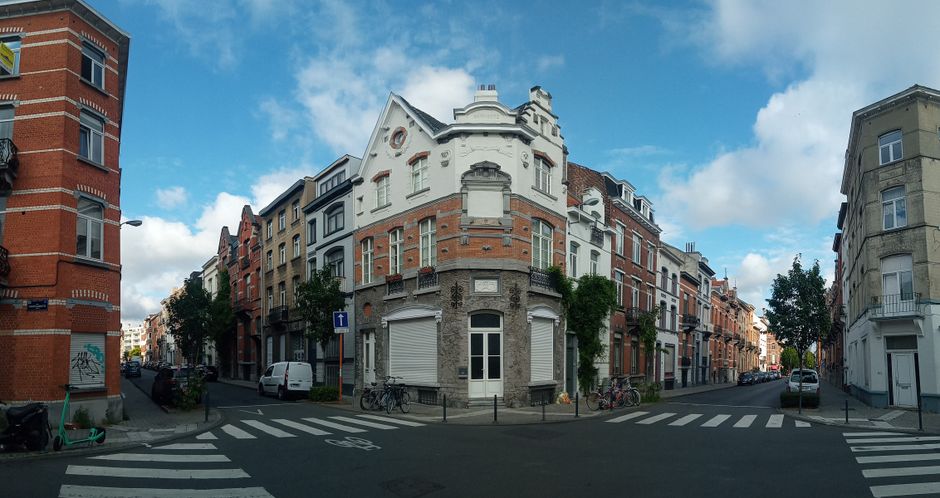
For now, the neighbourhoods bordering the vast, overgrown expanse of the old marshalling yards are a mix of stately 1930s apartment blocks and modest terraced houses. Streets like Avenue Gustave Latinis and Avenue Ernest Cambier, which offer direct views over the site, are a world away from the bustle of Ixelles. Yet it is here, between the green expanse of Josaphat Park and the RTBF broadcast tower, that the city’s urban planning agency, perspective.brussels, and the Urban Development Corporation (SAU-MSI) are laying the groundwork for a complete overhaul.
From Rail Yards to Residential Hub
The scale of the project is significant. Official documents for the PAD detail plans for approximately 1,600 new housing units, alongside space for schools, shops, and small enterprises. The rezoning is the critical legal step that turns these plans into a tangible development framework. Property data shows the potential upside for early movers. Currently, apartments in the immediate vicinity, such as those on Avenue Chazal, trade for an average of €3,500 per square meter. That figure stands in stark contrast to prices in more sought-after communes, where €5,000 per square meter is commonplace.
This isn't just about building houses. The plan is one of the first major projects to be fully shaped by the region’s new “Good Living” urban planning regulations, which emphasize sustainability and quality of life. In a direct response to the deadly heatwaves that have scorched Europe in recent summers, including the one that peaked in France just last week, the Josaphat plan mandates extensive green corridors, water retention systems, and high energy-performance standards for all new buildings. The goal is to create a carbon-neutral district that can withstand future climate shocks, a key selling point in an increasingly risk-aware market.
A Calculated Bet on the Future
For prospective buyers and investors, the window of opportunity is narrowing. While the final government approval in October is the official starting gun, seasoned property agents report a marked uptick in interest in the area over the past year. The bet is that the rezoning will immediately lift land and property values, even before the first shovel hits the ground.
Still, the project carries risks. Large-scale urban regeneration is a lengthy and disruptive process. The first residents are unlikely to move in before 2030, meaning years of construction for the existing community. Any delays in public funding or private investment, a real possibility given the volatile global economic outlook, could stall progress. For now, the smart money is on well-maintained existing properties with good energy ratings on the streets bordering the site. The full transformation of Josaphat from a forgotten wasteland to a thriving new district will take more than a decade, but the decision that fires the starting pistol is now just months away.