Property
Uccle: Brussels’ Blue-Chip Suburb Where Value Still Lives
Despite Europe’s property crunch, Uccle’s leafy streets still house investment opportunity below prime city prices.
3 min read
Property
Despite Europe’s property crunch, Uccle’s leafy streets still house investment opportunity below prime city prices.
3 min read
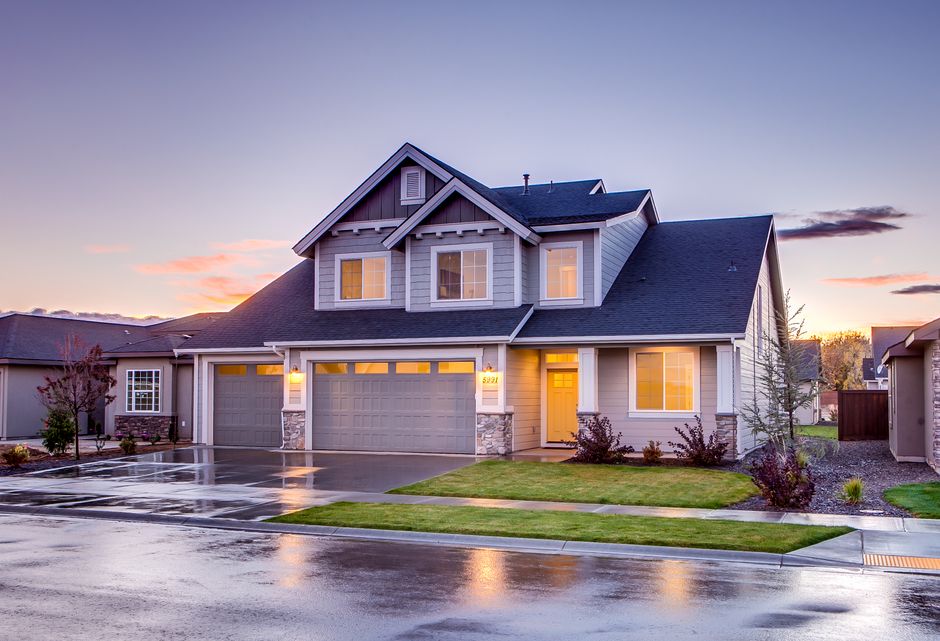
Uccle’s distinctive mix of parkland, stately townhouses, and reliable rents continues to make the southern suburb a rare value bet within Brussels’ overheated property scene. In June, a century-old semi-detached on Avenue Molière exchanged hands for €1.25 million—well below the €1.6 million seen over the border in Ixelles—confirming Uccle’s reputation as a blue-chip enclave with relative affordability.
The sustained surge in real estate across Brussels has left many would-be buyers priced out of central neighbourhoods such as Sablon and Etterbeek, where renovated apartments routinely fetch over €7,500 per square metre. Against this backdrop, Uccle’s comparatively moderate figures are catching the eyes of both upgraders and long-term investors determined to avoid the speculative fringes or off-plan risk. A succession of heatwaves and recent international uncertainty have only sharpened local preference for stable, spacious homes in established areas with strong infrastructure.
At the local level, Uccle offers amenities that rarely come bundled in Brussels postcodes. Take the sports complex at Stade du Vivier d’Oie or the art deco Espace Vanderborght—it’s rare to find such culture and greenery ten minutes from Gare du Midi. Schools such as Lycée Français Jean Monnet and the European School on Drève de l’Infante draw professionals working at the European Commission or NATO, underpinning the area’s perennial rental demand.
The Forêt de Soignes forms Uccle’s leafy boundary, with Parc de Wolvendael joining a network of walking and cycling corridors. These extras have become non-negotiable during hot, pollution-heavy summers, according to agents at Trevi Group’s Uccle office. International tenants are gravitating away from the dense northern quarters and looking south for more space—a trend seen in the rush of new listings along Rue Edith Cavell and Chaussée de Waterloo.
According to data published in May by Immoweb, the median sale price for houses in Uccle now stands at €827,000—up 5.3% from mid-2025, but still a cut below Woluwe-Saint-Pierre’s €970,000 median. High-spec apartments on Avenue Churchill fetch around €6,200 per square metre, compared to peaks of over €8,000 across the canal in trendy Dansaert. Properties here sit on the market for a median 49 days, significantly quicker than the 66-day Brussels average, lending some reassurance to investors seeking liquidity.
Earlier this spring, the Brussels Region government rolled out an expanded "Renolution" grant for energy upgrades, providing up to €25,000 towards insulation and solar panels in targeted suburbs, including Uccle. Local architects say this has triggered a mini-wave of sustainable refurbishments, which should further lift values over the next 12 months as EU efficiency standards tighten citywide.
For buyers and landlords weighing up Uccle, Eurospar on Avenue Coghen is as busy as ever, and tram line 92 still whisks residents towards Flagey or the historic Marolles district in 25 minutes. With construction starts on larger plots tightly restricted by the commune, demand is set to stay firm. Agents point to a summer inventory rebound, but warn that buyers hunting for distressed discounts will likely look in vain. In a city where value and security rarely overlap, Uccle’s blue-chip status stands resilient—even as the rest of Brussels watches prices climb ever higher.
Property
Property
Property
Property
About this article
Published by The Daily Brussels
Spread the word
Daily brief
Free, in your inbox before 7am. Weekdays.